

Operation Process and Working Principle of Mixed Material Pneumatic Conveying Equipment
Shandong HeadPowder Engineering Co., Ltd., a leading manufacturer based in Shandong, China, specializes in the design, development, and implementation of advanced mixed material pneumatic conveying equipment. This equipment is engineered to efficiently transport a wide variety of bulk materials, including powders, granules, and fine particles, across industrial facilities with precision and reliability. The following content provides a detailed overview of the operation process and working principles of these systems, highlighting the technical aspects and practical applications that make them indispensable in modern material handling operations.
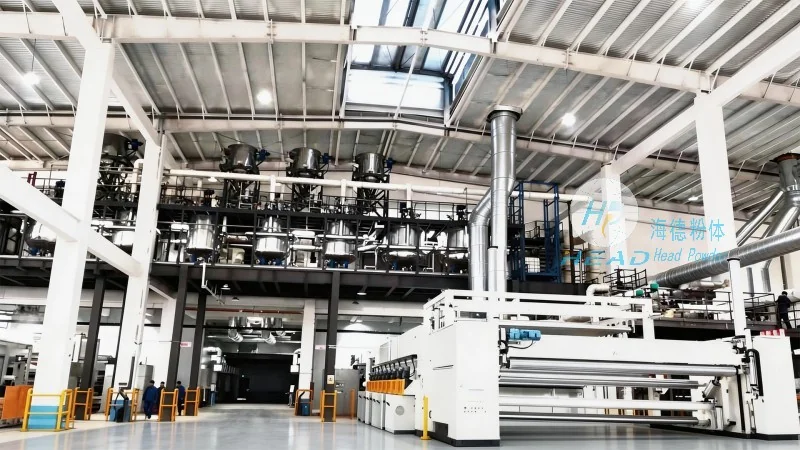
Key Components and System Architecture
The mixed material pneumatic conveying system by Shandong HeadPowder Engineering Co., Ltd. comprises several critical components that work in synergy to ensure optimal performance. The primary elements include a material feeding unit, a pneumatic conveying pipeline network, a compressed air or vacuum source, a separation and filtration system, and a discharge mechanism. Each component is meticulously designed to handle the specific characteristics of the materials being transported, such as particle size, density, and moisture content. The feeding unit typically features a hopper or feeder that controls the flow rate of the material into the system, preventing blockages and ensuring a consistent feed. The conveying pipeline is constructed from durable materials like stainless steel or aluminum, with appropriate bends and fittings to maintain the integrity of the material stream. The air source, whether a compressor for positive pressure or a vacuum pump for negative pressure, provides the necessary force to move the material through the pipeline. The separation system, often equipped with cyclones or bag filters, separates the conveyed material from the air, ensuring clean material delivery and preventing dust contamination. Finally, the discharge mechanism allows the material to be deposited in the desired location, such as a silo, storage bin, or processing unit.
Step-by-Step Operation Process
The operation of the mixed material pneumatic conveying equipment follows a systematic sequence of steps, each designed to maximize efficiency and minimize downtime. The process begins with the loading of the material into the feeding hopper. The feeder then regulates the flow of material into the conveying pipeline, ensuring a steady supply. Simultaneously, the air source is activated, either by supplying compressed air to the pipeline (positive pressure system) or by creating a vacuum (negative pressure system). In a mixed system, both positive and negative pressure modes may be utilized, allowing for flexibility in handling different material types and distances. As the material is introduced into the pipeline, it is entrained by the air flow, forming a slurry or suspension that travels through the conveying lines. The system may include intermediate separation or mixing sections to adjust the material-air ratio and optimize the conveying efficiency. Upon reaching the destination, the material is separated from the air using the separation system. The clean material is then discharged into the receiving container, while the air is filtered and either recycled or vented. The entire process is monitored by control panels that track parameters such as pressure, flow rate, and material level, allowing for real-time adjustments to maintain optimal performance. This step-by-step operation ensures that the equipment operates smoothly, with minimal waste and maximum throughput.
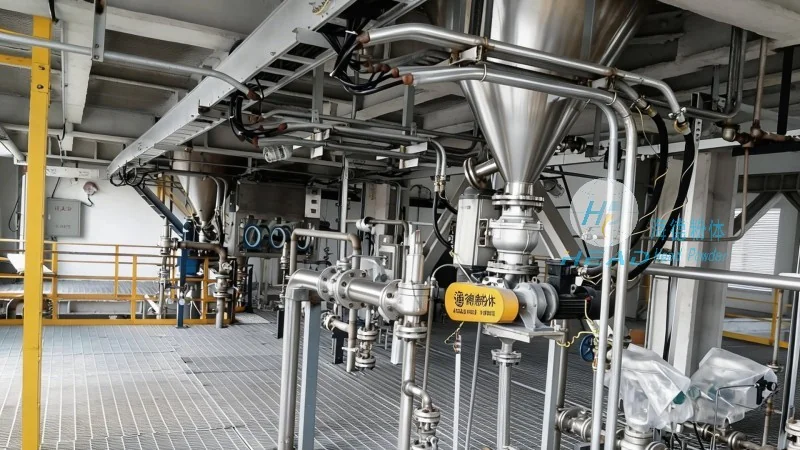
Working Principle: Combining Positive and Negative Pressure
The working principle of the mixed material pneumatic conveying system by Shandong HeadPowder Engineering Co., Ltd. leverages the advantages of both positive and negative pressure conveying methods. Positive pressure systems use compressed air to push the material through the pipeline, which is effective for short distances and handling abrasive or sticky materials. Negative pressure systems, on the other hand, use vacuum to draw the material into the pipeline, which is ideal for long-distance transport and handling fine powders that are prone to dusting. The mixed system integrates both approaches, allowing it to adapt to various operational conditions. In positive pressure mode, the compressor supplies high-pressure air to the pipeline, creating a pressure differential that propels the material forward. The air and material mixture exits the pipeline through a discharge nozzle, where the material is separated from the air by a cyclone or other filtration device. In negative pressure mode, a vacuum pump creates a low-pressure environment at the receiving end, drawing the material from the source into the pipeline. The air and material mixture is then transported to the discharge point, where the material is collected and the air is filtered. This dual-mode operation enhances the system's versatility, enabling it to handle a wide range of materials and distances with high efficiency. The system's control system continuously adjusts the pressure and flow rates based on the material characteristics and operational requirements, ensuring that the conveying process is optimized for each application.
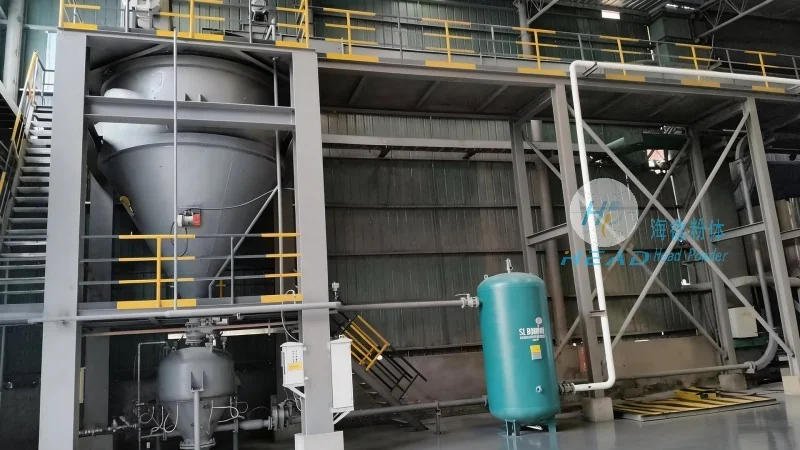
Advantages and Applications
The mixed material pneumatic conveying equipment from Shandong HeadPowder Engineering Co., Ltd. offers several key advantages that make it a preferred choice in industrial material handling. One of the primary benefits is its high efficiency, as it can transport materials over long distances with minimal energy consumption compared to traditional methods like belt conveyors or trucks. The system also provides flexibility in handling various material types, including powders, granules, and fine particles, without the need for extensive modifications. Additionally, the equipment is designed for low maintenance, with durable components that resist wear and corrosion, reducing operational costs over time. The mixed system's ability to handle both positive and negative pressure modes makes it suitable for a wide range of applications, from food and pharmaceutical industries to chemical and mining sectors. In the food industry, for example, the equipment can transport powders like flour or sugar with minimal contamination, ensuring product quality. In the chemical industry, it can handle abrasive materials like cement or minerals, while maintaining the integrity of the material. The system's compact design and modular construction also allow for easy installation and integration into existing facilities, making it a cost-effective solution for businesses looking to upgrade their material handling capabilities. Overall, the mixed material pneumatic conveying equipment by Shandong HeadPowder Engineering Co., Ltd. represents a reliable and efficient solution for modern industrial material handling needs.
Conclusion
Shandong HeadPowder Engineering Co., Ltd. provides advanced mixed material pneumatic conveying equipment that combines the best features of positive and negative pressure systems, delivering high efficiency, flexibility, and reliability for various industrial applications. The detailed operation process and working principles outlined above demonstrate the technical sophistication and practicality of these systems, which are designed to meet the evolving needs of modern material handling operations. By leveraging the expertise of Shandong HeadPowder Engineering Co., Ltd., industries can enhance their material transport capabilities, reduce operational costs, and improve overall productivity. The company's commitment to quality and innovation ensures that its equipment remains at the forefront of the industry, providing sustainable and efficient solutions for bulk material handling.