

Operation Process and Working Principle of a Pneumatic Conveying System for Precipitated Barium Sulf
The pneumatic conveying system designed by Shandong HeadPowder Engineering Co., Ltd. is a specialized solution for the efficient and reliable transport of precipitated barium sulfate material. As a leading manufacturer in the field, HeadPowder has developed this system to meet the demanding requirements of industrial applications, ensuring minimal material loss, low maintenance, and consistent performance. This article provides a detailed overview of the system's operation process and working principle, highlighting its key components and operational dynamics.
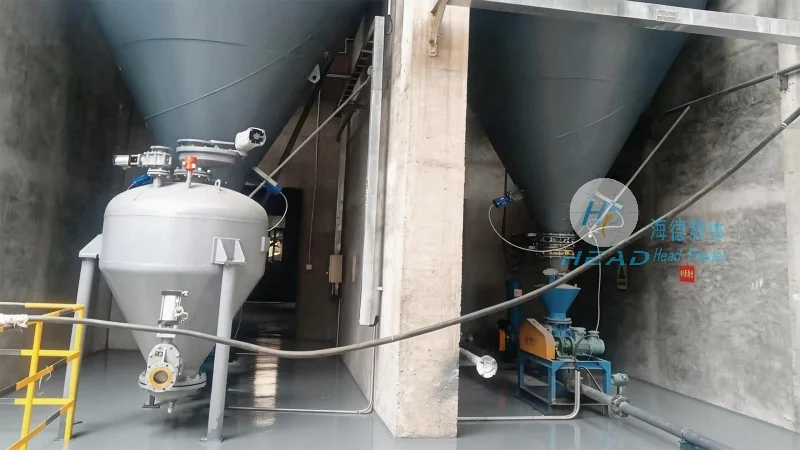
Key Components of the Pneumatic Conveying System
The pneumatic conveying system for precipitated barium sulfate consists of several critical components that work in tandem to achieve effective material transport. The primary components include a material hopper, a rotary airlock feeder, a positive displacement blower or a pressure vessel, a pipeline system with appropriate fittings and valves, and a dust collection or filtration unit. Each component plays a crucial role in the overall system performance. The material hopper is designed to store the precipitated barium sulfate, providing a stable feed source. The rotary airlock feeder ensures a controlled and continuous discharge of material into the pipeline, preventing backflow and maintaining consistent flow rates. The positive displacement blower generates the necessary air pressure to move the material through the pipeline, while the pipeline system transmits the material from the feeder to the discharge point. The dust collection unit is essential for maintaining air quality and preventing dust emissions, which is particularly important for handling fine powders like precipitated barium sulfate.
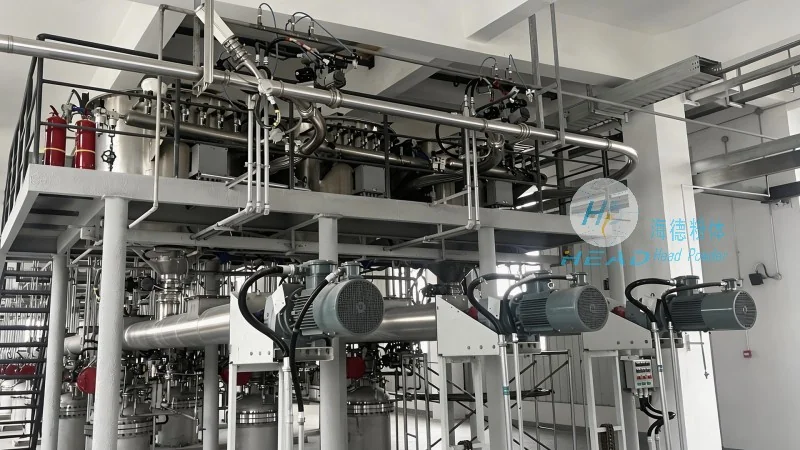
Working Principle of the Pneumatic Conveying System
The working principle of the pneumatic conveying system for precipitated barium sulfate is based on the use of air as the conveying medium. The process begins with the material being fed from the hopper into the rotary airlock feeder. The feeder then releases the material into the pipeline at a controlled rate. Simultaneously, the positive displacement blower or pressure vessel generates a high-pressure air stream that travels through the pipeline. As the air flows, it entrains the barium sulfate particles, creating a slurry-like mixture that moves through the pipeline. The velocity of the air is carefully controlled to ensure that the particles are carried along without settling or causing blockages. The system utilizes a combination of pressure and velocity to maintain the material in suspension, allowing it to be transported over long distances with minimal degradation. The discharge point of the system is equipped with a receiver or silo where the material is collected, and the air is separated from the material through a cyclone or filter, returning the air to the system or releasing it safely.
Operation Process of the Pneumatic Conveying System
The operation process of the pneumatic conveying system for precipitated barium sulfate involves several sequential steps that ensure smooth and efficient material transport. The first step is the preparation phase, where the material is loaded into the hopper and the system is checked for proper functioning. The hopper is typically equipped with a level indicator to monitor the material inventory, ensuring that the system operates continuously without interruptions. The second step is the start-up process, where the blower is activated and the air pressure is adjusted to the required level. The rotary airlock feeder is then started, allowing the material to be fed into the pipeline at a controlled rate. The system is monitored for pressure and flow rates to ensure that the material is being transported correctly. During operation, the system maintains a consistent air pressure and flow rate to keep the material in suspension. The discharge point of the system is equipped with a receiver or silo where the material is collected. The system is then shut down in an orderly manner, with the blower being turned off first, followed by the feeder, to prevent material backflow. The final step is the maintenance and cleaning of the system, which includes checking for any blockages or wear in the components and cleaning the dust collection unit to maintain air quality. Regular maintenance is crucial to ensure the long-term performance and reliability of the system.
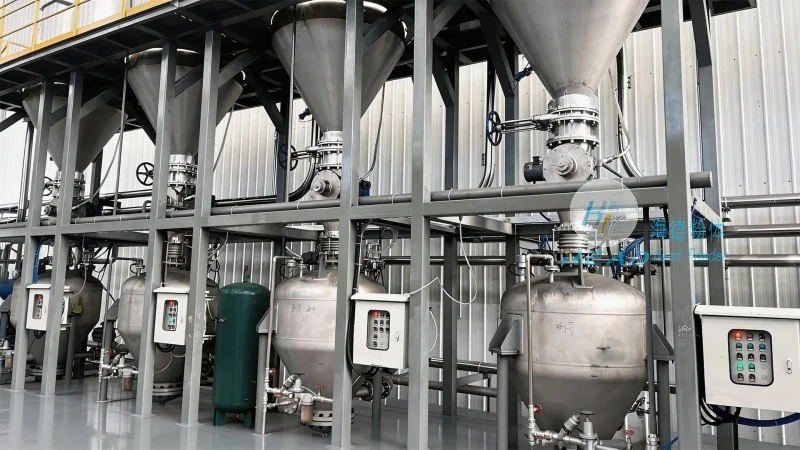
Advantages of the Pneumatic Conveying System for Precipitated Barium Sulfate
The pneumatic conveying system for precipitated barium sulfate offers several advantages over traditional material handling methods. One of the key advantages is the ability to transport material over long distances without the need for intermediate storage or transfer points. This reduces the risk of material contamination and loss, which is particularly important for fine powders like precipitated barium sulfate. Another advantage is the low maintenance requirement, as the system has fewer moving parts compared to mechanical conveyors. The system is also highly flexible, allowing for changes in material flow rates and distances without significant modifications. Additionally, the system is energy-efficient, as it uses air as the conveying medium, which is more cost-effective than other methods. The system also provides a dust-free environment, which is essential for handling materials that can cause respiratory issues or environmental pollution. Overall, the pneumatic conveying system is a reliable and efficient solution for the transport of precipitated barium sulfate, meeting the needs of various industrial applications.