With more than 10‑year industry experience, Shandong Headpowder delivers full‑service pneumatic‑conveying systems and blowers, undertaking nationwide turn‑key powder‑handling projects.
At Shandong HeadPowder Engineering Co., Ltd., we specialize in the design, installation, and maintenance of pneumatic conveying systems for tailings material handling. This article provides a detailed overview of the operation process and working principle of such systems, highlighting the key components and the systematic approach to material transport.
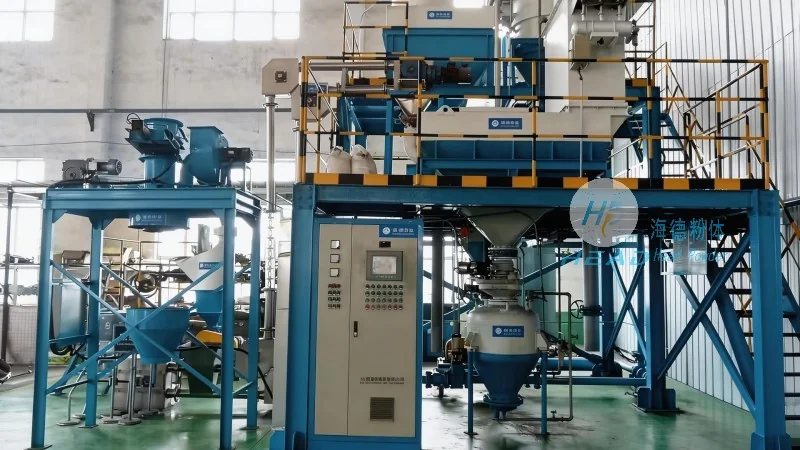
The pneumatic conveying system for tailings material typically consists of several critical components that work in concert to ensure efficient and reliable material transport. These components include the material hopper, feeder, air compressor, conveying line, and discharge equipment. Each component plays a vital role in the overall operation, contributing to the smooth and continuous movement of tailings from the source to the destination.
The fundamental principle of pneumatic conveying is the use of compressed air to create a flow that transports the tailings material through a pipeline. The process begins with the material being fed from the hopper into the conveying line. The feeder, often a rotary valve or a screw feeder, controls the flow rate of the tailings, ensuring a consistent supply to the system. Simultaneously, the air compressor generates high-pressure air, which is introduced into the conveying line. As the air flows through the pipeline, it creates a negative pressure or a positive pressure environment, depending on the system design, to draw or push the tailings material along the line.
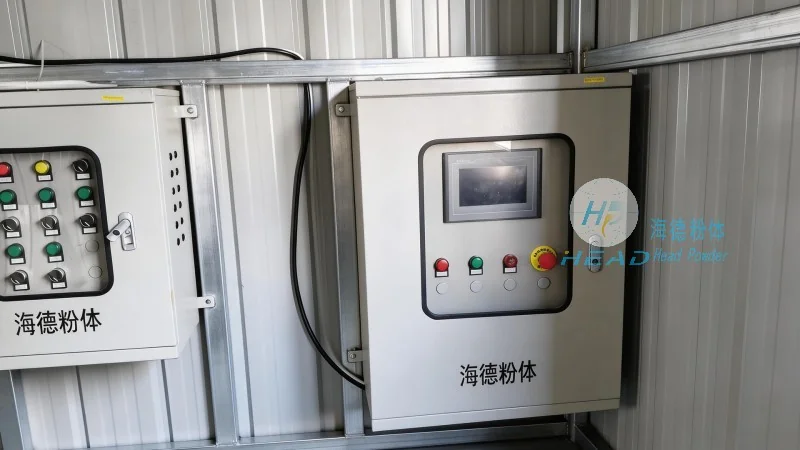
The operation process of a tailings material pneumatic conveying system involves several sequential steps that are crucial for optimal performance. First, the tailings are stored in the material hopper, which is equipped with a level indicator to monitor the material inventory. When the material level drops to a certain point, the feeder is activated to start the material feed. The feeder then delivers the tailings into the conveying line at a controlled rate. The air compressor then starts, providing the necessary air pressure to initiate the conveying process. As the air and material mixture travels through the pipeline, it reaches the discharge point, where the material is separated from the air and collected in the receiving hopper or storage facility.
Modern pneumatic conveying systems for tailings material are equipped with advanced control and monitoring systems to ensure safe and efficient operation. These systems include pressure sensors, flow meters, and level indicators that provide real-time data on the system's performance. The control panel allows operators to adjust the air pressure, feed rate, and other parameters to optimize the conveying process. Additionally, safety features such as pressure relief valves and emergency shut-off mechanisms are integrated into the system to prevent accidents and protect personnel and equipment.
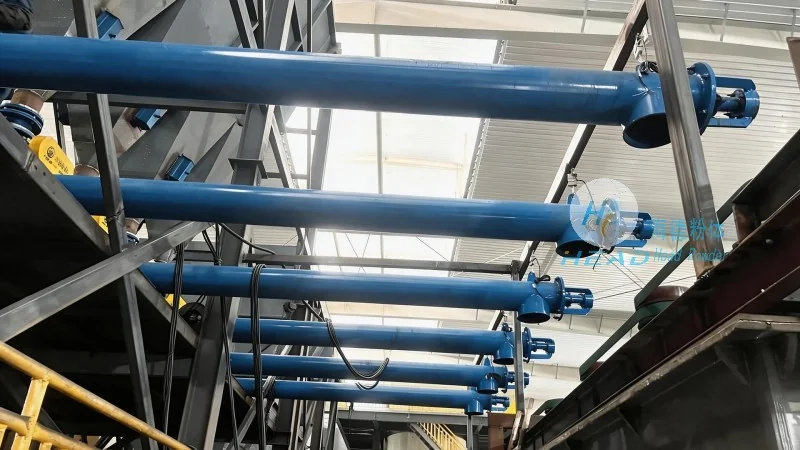
Compared to traditional mechanical conveying methods, pneumatic conveying offers several advantages for tailings material handling. These include the ability to transport materials over long distances without the need for multiple transfer points, reduced risk of material contamination, and lower maintenance costs due to fewer moving parts. Additionally, pneumatic systems can handle a wide range of tailings materials, including fine powders and slurries, with minimal degradation of the material quality. The flexibility of the system design also allows for easy integration with existing infrastructure and the ability to adapt to changing material handling requirements.
Shandong HeadPowder Engineering Co., Ltd. has successfully implemented pneumatic conveying systems for various tailings material applications across different industries. For example, in a mining operation, the system was designed to transport tailings from the processing plant to a storage facility over a distance of 2 kilometers. The system was able to handle a material flow rate of 50 tons per hour, with a conveying efficiency of over 95%. Another application involved the transport of tailings from a tailings pond to a reclamation site, where the system was used to reduce the environmental impact of the tailings disposal process. These case studies demonstrate the effectiveness and reliability of pneumatic conveying systems in tailings material handling.

 Shandong Headpowder Engineering Co., Ltd.
 156-6277-7102(Manager Zhang)
  0531-83386006
  Zhangqiu District, Jinan City, Shandong Province, China
telephone
WeChatconsult
top