With more than 10‑year industry experience, Shandong Headpowder delivers full‑service pneumatic‑conveying systems and blowers, undertaking nationwide turn‑key powder‑handling projects.
Coal coke is a critical raw material in the iron and steel industry, and its efficient transportation is essential for smooth production processes. Pneumatic conveying, as a modern method for handling bulk materials like coal coke, offers advantages such as dust control, reduced labor costs, and improved safety. This article provides an overview of the structure and operational principles of coal coke pneumatic conveying systems, along with insights into the technology's application and benefits.
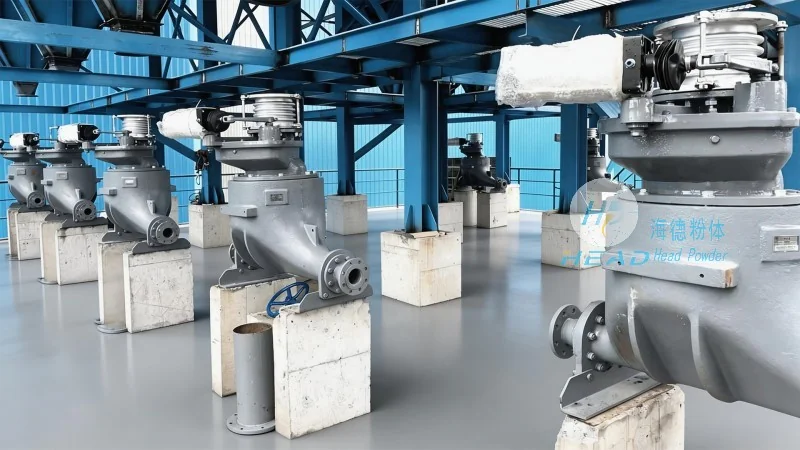
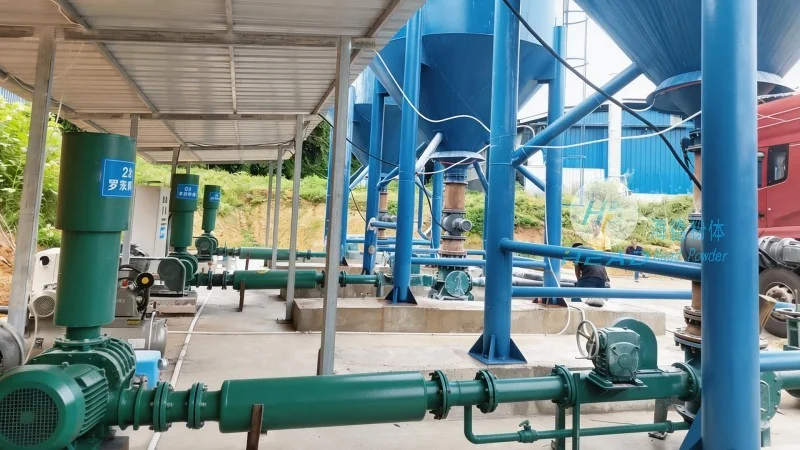
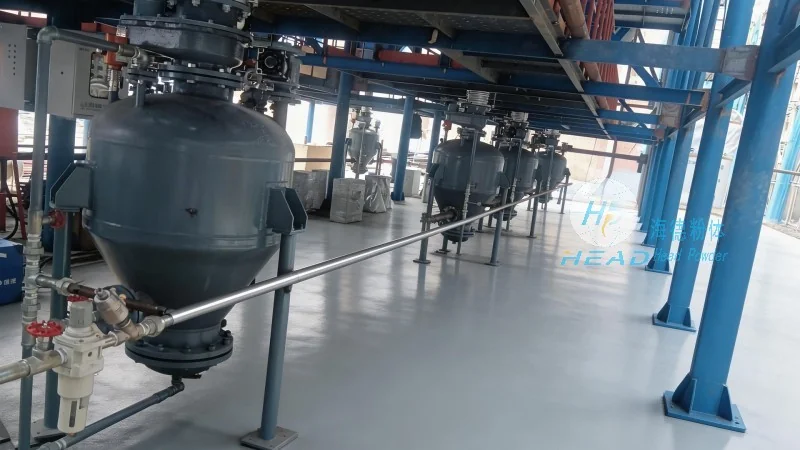
A typical coal coke pneumatic conveying system consists of several key components that work together to transport the material from the source to the destination. The main components include the hopper or feeder, the conveying line (usually a pipeline), the air supply system (blower or compressor), and the discharge device. Each component plays a crucial role in ensuring the system operates efficiently and reliably.
The hopper or feeder is responsible for storing and feeding the coal coke into the conveying line. It is designed to maintain a consistent flow of material, preventing blockages and ensuring a steady supply to the system. The conveying line, typically made of stainless steel or other corrosion-resistant materials, is the main channel through which the coal coke and air mixture travels. The air supply system generates the necessary pressure or vacuum to move the material through the line, while the discharge device, such as a rotary valve or a dust collector, collects the material at the end of the line.
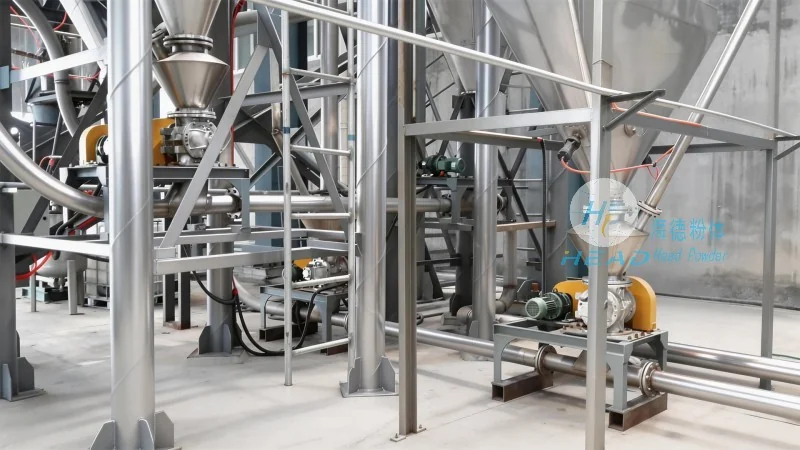
The core principle of pneumatic conveying is the use of air to transport solid particles. There are two main types of pneumatic conveying systems: pressure and vacuum. In pressure systems, the air is compressed and forced through the conveying line, carrying the coal coke particles along. In vacuum systems, the air is drawn through the line, creating a negative pressure that pulls the material from the source. For coal coke, which is relatively heavy and abrasive, pressure systems are often preferred as they can handle higher material loads and provide better control over the conveying process.
The conveying process begins when the coal coke is fed into the hopper. The air supply system then introduces air into the conveying line, creating a flow that carries the material. The mixture of coal coke and air travels through the pipeline until it reaches the discharge point. At the discharge end, the air is separated from the material, often using a cyclone or a dust collector, and the coal coke is collected for further use. The efficiency of the system depends on factors such as the air velocity, the particle size and density of the coal coke, and the length and diameter of the conveying line.
Pneumatic conveying offers several advantages over traditional methods like belt conveyors or bucket elevators for transporting coal coke. One of the primary benefits is the ability to control dust emissions, as the material is enclosed within the pipeline. This reduces the risk of respiratory issues for workers and minimizes environmental pollution. Additionally, pneumatic systems are more compact and can be installed in areas with limited space, making them suitable for modern industrial facilities. The systems also require less maintenance compared to mechanical conveyors, as there are fewer moving parts that can wear out or break.
Another advantage is the flexibility of pneumatic conveying systems. They can be easily adjusted to handle different material types or to change the conveying distance. This makes them suitable for various applications, from small-scale operations to large industrial plants. The systems can also be integrated with other equipment, such as storage silos or processing units, to create a seamless material handling process. Furthermore, pneumatic conveying can improve safety by eliminating the need for manual handling of heavy or bulky coal coke, reducing the risk of accidents and injuries.
Shandong HeadPowder Engineering Co., Ltd., commonly known as HeadPowder, is a leading manufacturer and supplier of pneumatic conveying systems and related equipment. With a strong focus on innovation and quality, HeadPowder has established itself as a trusted partner in the bulk material handling industry. The company specializes in designing and manufacturing custom pneumatic conveying solutions tailored to the specific needs of its clients, including those in the iron and steel, cement, and chemical industries.
HeadPowder's team of experienced engineers and technicians work closely with clients to understand their requirements and develop optimal solutions. The company uses advanced technology and rigorous quality control processes to ensure that its products meet or exceed industry standards. HeadPowder's commitment to customer satisfaction and technical excellence has earned it a reputation for reliability and performance in the market.
HeadPowder's facilities are located in Shandong, China, where the company has a state-of-the-art manufacturing plant and research and development center. The company's location provides easy access to raw materials and transportation networks, enabling efficient production and delivery of its products. HeadPowder also maintains a strong presence in the global market, exporting its products to various countries and regions worldwide.
Coal coke pneumatic conveying is a highly effective and efficient method for transporting bulk materials in industrial applications. The technology offers numerous benefits, including improved safety, reduced dust emissions, and enhanced operational flexibility. With the expertise and experience of companies like Shandong HeadPowder Engineering Co., Ltd., the adoption of pneumatic conveying systems has become increasingly common in the industry. As the demand for efficient material handling solutions continues to grow, pneumatic conveying is likely to remain a key technology in the future of bulk material transportation.

 Shandong Headpowder Engineering Co., Ltd.
 156-6277-7102(Manager Zhang)
  0531-83386006
  Zhangqiu District, Jinan City, Shandong Province, China
telephone
WeChatconsult
top