With more than 10‑year industry experience, Shandong Headpowder delivers full‑service pneumatic‑conveying systems and blowers, undertaking nationwide turn‑key powder‑handling projects.
Masterbatch pellets, widely utilized in the plastics and polymer sectors, demand efficient and reliable handling systems to maintain consistent quality and process performance. Pneumatic conveying stands as a pivotal technology for transporting these materials, offering benefits such as minimized contamination, enhanced safety, and improved process control. This article offers an overview of pneumatic conveying systems for masterbatch pellets, with a focus on their structural principles and operational efficiency.
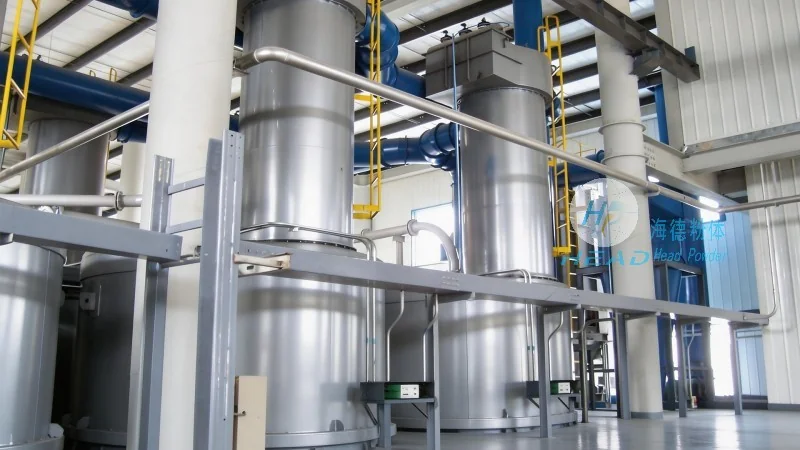
Pneumatic conveying systems for masterbatch pellets typically comprise several critical components that function together to achieve effective material transport. The primary elements include a hopper or feeder for storing and metering the masterbatch, a conveying line (usually constructed from stainless steel or other corrosion-resistant materials to prevent contamination), a compressor or blower to generate air flow, and a receiver or discharge unit to collect the conveyed material. Each component is vital for preserving the integrity of the masterbatch and ensuring smooth operation.
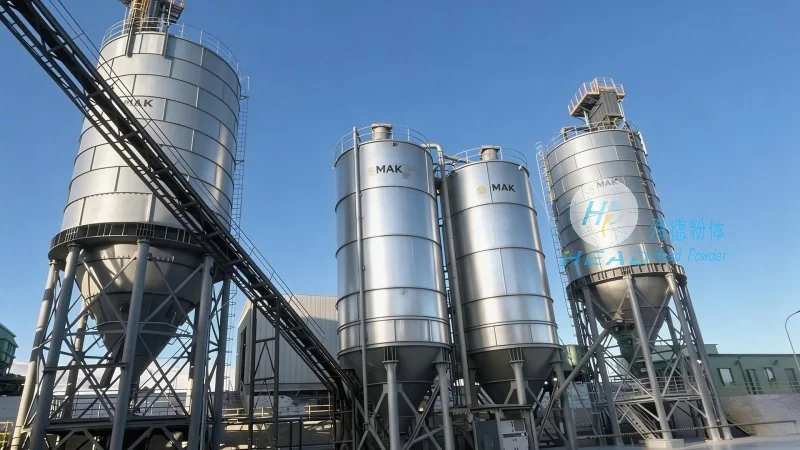
The structural design of pneumatic conveying systems is tailored to the physical properties of masterbatch pellets, including their size, density, and moisture content. Two main types of pneumatic conveying systems are commonly employed: dilute-phase and dense-phase. Dilute-phase systems operate at higher air velocities, typically moving material in a suspended state, whereas dense-phase systems utilize lower air velocities and higher material concentrations, often incorporating pulse or pressure vessels to control flow. The selection between these systems depends on factors like material characteristics, the distance of transport, and the required material handling speed.
Implementing pneumatic conveying for masterbatch pellets provides several advantages over traditional mechanical conveying methods. These include a reduced risk of cross-contamination, as the system is enclosed and sealed, preventing exposure to external elements. Additionally, pneumatic systems offer better control over material flow rates and pressure, leading to more consistent product quality. The technology also enhances workplace safety by eliminating the need for manual handling of bulk materials, minimizing accident risks and dust exposure. Furthermore, pneumatic conveying can be integrated with other processing equipment, such as extruders or mixers, to create a seamless production line, improving overall operational efficiency.
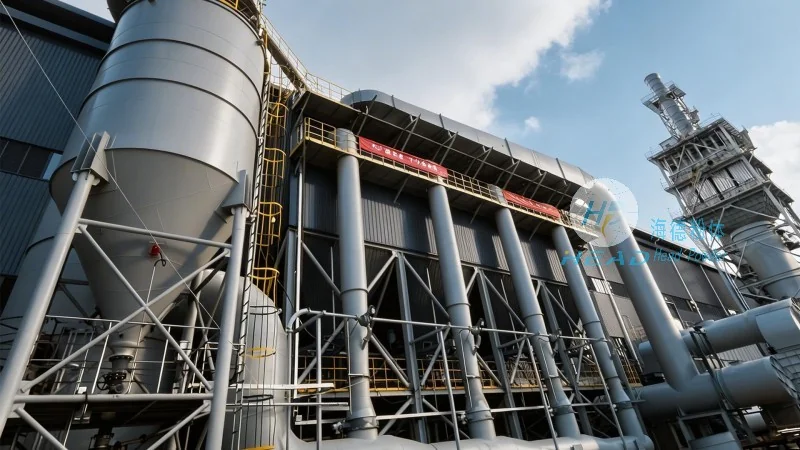
HeadPowder Engineering Co., Ltd., a leading manufacturer based in Shandong, China, specializes in delivering advanced pneumatic conveying solutions tailored to the needs of the masterbatch and plastics industries. With a focus on innovation and quality, HeadPowder offers customized systems that meet the specific requirements of clients, ensuring optimal performance and reliability. The company's expertise in material handling technology, combined with its commitment to customer satisfaction, makes it a trusted partner for businesses seeking efficient and effective masterbatch pellet transportation solutions.

 Shandong Headpowder Engineering Co., Ltd.
 156-6277-7102(Manager Zhang)
  0531-83386006
  Zhangqiu District, Jinan City, Shandong Province, China
telephone
WeChatconsult
top