

Operation Process and Working Principle of Corn Starch Material Pneumatic Conveying
For industrial applications involving the handling of corn starch, efficient material transport is crucial. The pneumatic conveying system designed by Shandong HeadPowder Engineering Co., Ltd. offers a reliable solution for moving corn starch material with precision and minimal loss. This article explores the operation process and working principle of the corn starch material pneumatic conveying system, highlighting its key components and operational efficiency.
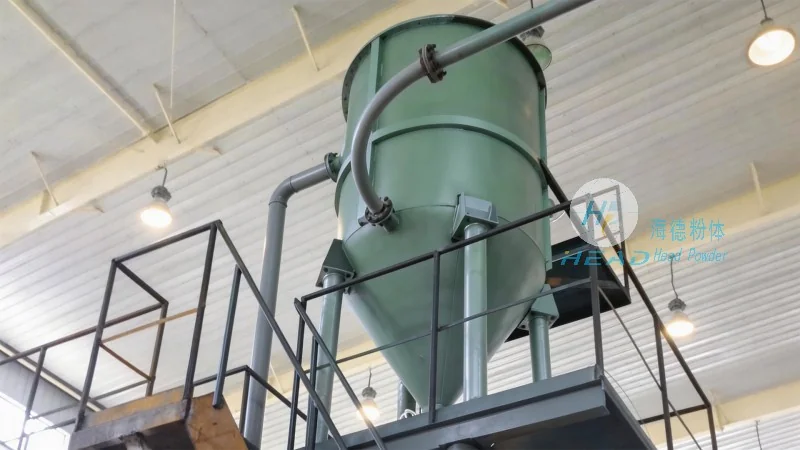
Company Overview: HeadPowder Engineering
Shandong HeadPowder Engineering Co., Ltd., commonly known as HeadPowder, is a leading manufacturer specializing in engineering solutions for material handling and processing. With a focus on innovation and quality, the company provides customized pneumatic conveying systems tailored to the unique needs of industries dealing with fine powders like corn starch. HeadPowder's expertise in mechanical and pneumatic engineering ensures that their systems are built to withstand the demands of high-volume material transport while maintaining product integrity.
The Pneumatic Conveying System: Core Components and Structure
The corn starch material pneumatic conveying system consists of several key components that work in tandem to achieve efficient material transport. The primary elements include a hopper for material storage, a feeder to control the flow rate, a conveying line (typically made of stainless steel or other corrosion-resistant materials), a blower or compressor to generate the air flow, and a receiver or collection tank for the conveyed material. Each component plays a critical role in ensuring smooth operation and preventing material degradation or loss.
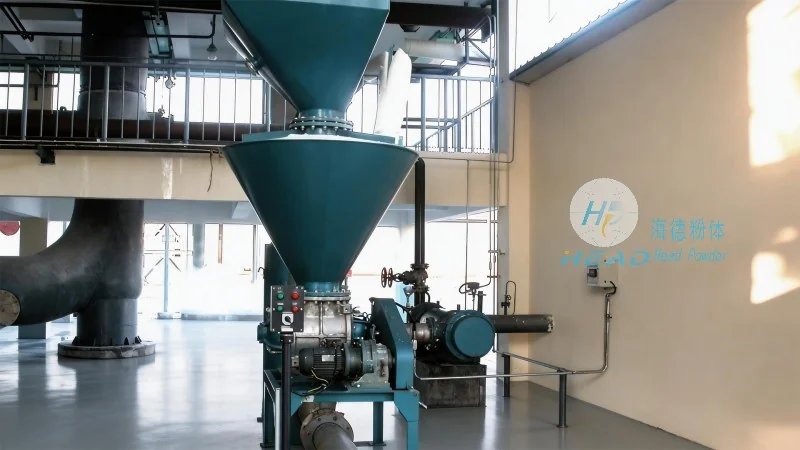
Working Principle: How the System Transports Corn Starch
The operation of the corn starch material pneumatic conveying system is based on the principle of air suspension and pressure differential. The process begins with the material being fed from the hopper into the conveying line. Simultaneously, the blower generates a high-pressure air stream that flows through the line. As the air moves, it creates a low-pressure zone, which draws the corn starch particles into the air stream. The particles are then carried along the conveying line to the receiver. The system maintains a consistent air flow and pressure to ensure that the material is transported without clogging or segregation. The design of the system, including the angle of the conveying line and the size of the air nozzles, is optimized to minimize friction and maximize efficiency.
Operation Process: Step-by-Step Execution
The operation process of the corn starch material pneumatic conveying system involves several sequential steps that ensure reliable and continuous material transport. First, the hopper is filled with corn starch material, and the system is started by activating the blower. The feeder then regulates the flow rate of the material into the conveying line, ensuring a steady supply. The air flow from the blower creates the necessary pressure differential, which pulls the material into the line. As the material travels through the conveying line, it is suspended in the air stream and transported to the receiver. The receiver collects the material and may include a filter or separator to remove any air or debris. The system continues to operate until the hopper is empty or the desired material quantity has been transported. The entire process is automated, with controls that monitor pressure, flow rate, and material level to prevent overfilling or underflow.
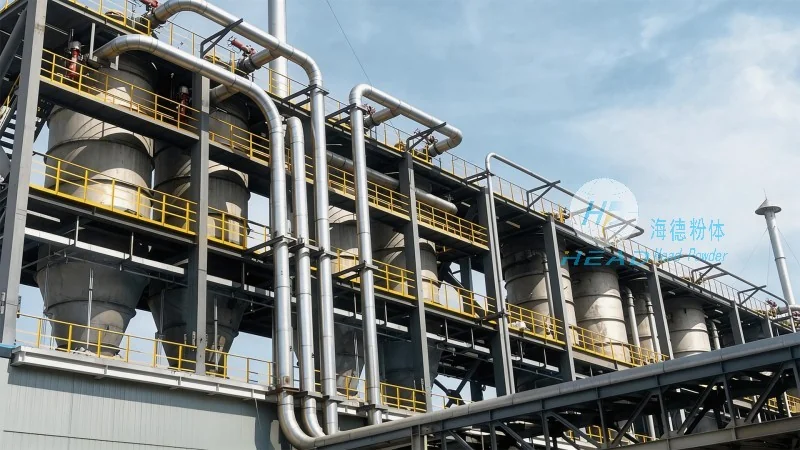
Advantages of the Pneumatic Conveying System for Corn Starch
Using a pneumatic conveying system for corn starch material offers several advantages over traditional methods like bucket elevators or belt conveyors. First, the system is fully enclosed, which prevents dust and material contamination, maintaining product purity. Second, it reduces material degradation by minimizing friction and impact during transport. Third, the system is flexible and can be adjusted to handle varying material flow rates and particle sizes. Additionally, the enclosed design improves workplace safety by eliminating dust exposure for operators. The efficiency of the system also leads to lower energy consumption compared to other transport methods, making it a cost-effective solution for industrial applications.
Application and Industry Impact
The corn starch material pneumatic conveying system is widely used in industries such as food processing, pharmaceuticals, and chemical manufacturing where the handling of fine powders is essential. In the food industry, the system ensures that corn starch is transported without cross-contamination, meeting strict hygiene standards. In pharmaceutical applications, the enclosed design prevents contamination and maintains product quality, which is critical for compliance with regulatory requirements. The system's ability to handle high volumes of material efficiently makes it suitable for large-scale production lines, contributing to increased productivity and reduced downtime.