With more than 10‑year industry experience, Shandong Headpowder delivers full‑service pneumatic‑conveying systems and blowers, undertaking nationwide turn‑key powder‑handling projects.
Shandong HeadPowder Engineering Co., Ltd., commonly known as headpowder, is a professional manufacturer and supplier based in Shandong, China. The company specializes in the design, development, and production of pneumatic conveying systems, particularly for handling gypsum ash and similar bulk materials. With years of experience in the field, headpowder has established itself as a reliable partner for industries requiring efficient and reliable material transport solutions.
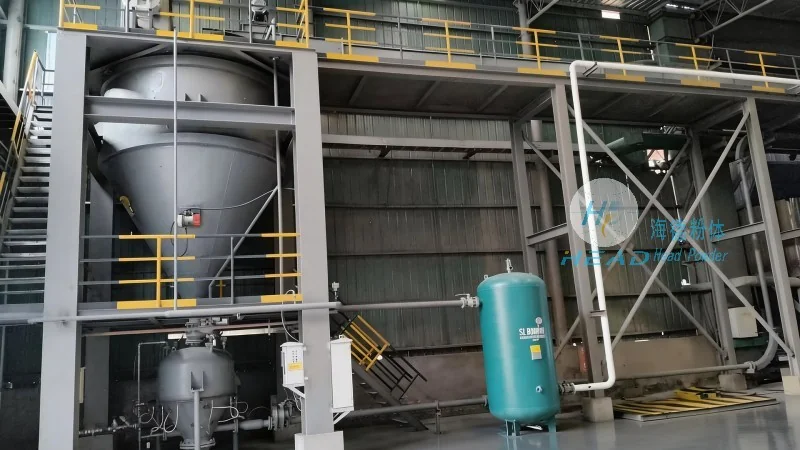
Pneumatic conveying systems for gypsum ash operate by utilizing air as the conveying medium to transport bulk materials from one location to another. The process typically involves several key components and steps that ensure efficient material transfer. First, the gypsum ash is fed into the system, often through a hopper or feeder, which controls the flow rate of the material. Then, a fan or blower generates the necessary air pressure and flow to move the material through the pipeline. The material is carried by the air stream, which can be either positive pressure (where air pushes the material) or negative pressure (where air pulls the material). The system includes pipelines, bends, and other components that guide the material to the destination, such as a storage silo or processing unit. At the receiving end, the material is separated from the air, usually through a cyclone separator or a filter, and collected in a container. The air is then filtered and recycled back into the system to maintain efficiency and reduce energy consumption.
The working principle of gypsum ash pneumatic conveying is based on the interaction between the material particles and the air stream. The system relies on the kinetic energy of the air to lift and transport the material. In positive pressure systems, the air is forced through the pipeline at a high velocity, creating a pressure differential that propels the material forward. The material particles are entrained by the air and move along the pipeline, with the air velocity being sufficient to overcome the gravitational forces acting on the particles. In negative pressure systems, the air is drawn through the pipeline by a vacuum, creating a suction effect that pulls the material along. The choice between positive and negative pressure depends on factors such as the material characteristics, distance to be conveyed, and system layout. The efficiency of the system is influenced by parameters like air velocity, material density, and pipeline diameter. Proper design and maintenance of the components are crucial to ensure optimal performance and minimize energy consumption.
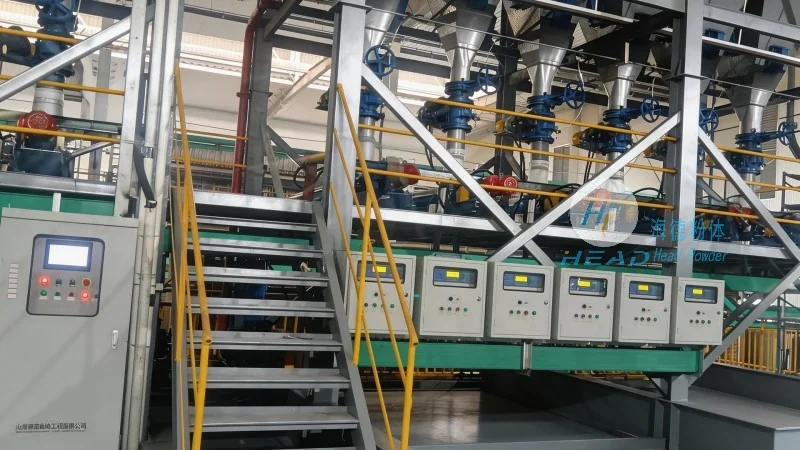
The pneumatic conveying system for gypsum ash consists of several essential components, each playing a critical role in the overall operation. The primary components include the material feeder, which regulates the flow of gypsum ash into the system; the air supply unit, such as a fan or blower, which provides the necessary air pressure and flow; the conveying pipeline, which transports the material from the source to the destination; and the separation equipment, such as a cyclone or filter, which separates the material from the air at the receiving end. Additionally, the system may include accessories like check valves, which prevent backflow of material, and pressure relief valves, which protect the system from overpressure. The design of each component is tailored to the specific characteristics of gypsum ash, ensuring that the system operates efficiently and safely.
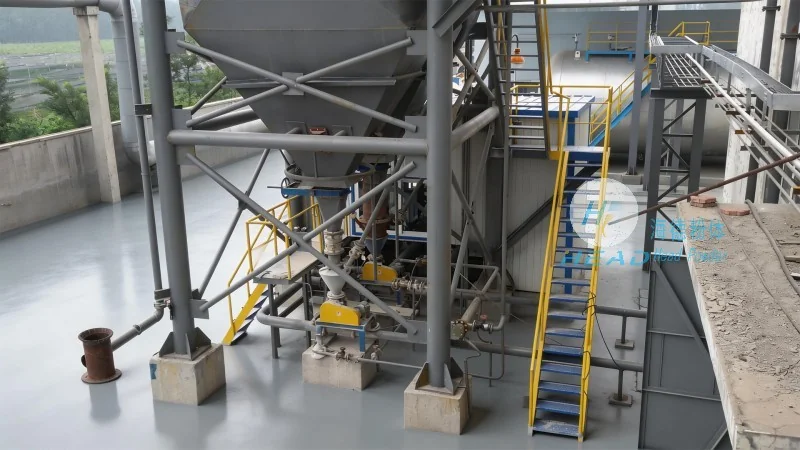
Pneumatic conveying offers several advantages over traditional methods for transporting gypsum ash. One of the main benefits is the ability to handle the material in a closed system, which minimizes dust emissions and improves environmental safety. This is particularly important for gypsum ash, which can be a source of airborne particles. The closed system also helps to maintain the quality of the material by preventing contamination from external sources. Another advantage is the flexibility of the system, as it can be easily adjusted to handle different flow rates and distances. The system can be expanded or modified to accommodate changes in production needs, making it a cost-effective solution for long-term use. Furthermore, pneumatic conveying is generally more energy-efficient than other methods, as it can use less power to transport the material over longer distances. This results in lower operating costs and reduced environmental impact.
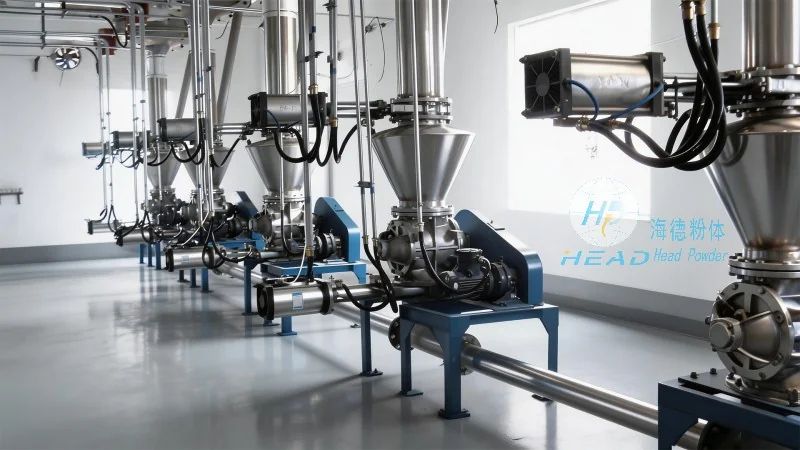
The pneumatic conveying systems developed by headpowder are widely used in various industries that handle gypsum ash and similar bulk materials. These industries include the construction industry, where gypsum ash is used as a raw material for plaster and other building materials. The system is also used in the power generation industry, where gypsum ash is a byproduct of coal combustion and needs to be transported from the power plant to storage facilities. Other applications include the chemical industry, where gypsum ash is used as a filler in various products, and the agricultural industry, where it can be used as a soil amendment. The versatility of the system makes it suitable for a wide range of applications, and headpowder's expertise ensures that the systems are tailored to meet the specific needs of each industry.
In conclusion, the pneumatic conveying system for gypsum ash is an efficient and reliable method for transporting bulk materials. The system operates by utilizing air as the conveying medium and relies on the interaction between the material particles and the air stream. The process involves several key components and steps, each designed to ensure optimal performance and safety. The advantages of pneumatic conveying, such as closed system operation, flexibility, and energy efficiency, make it a preferred choice for industries handling gypsum ash. With its professional design and manufacturing capabilities, Shandong HeadPowder Engineering Co., Ltd. provides high-quality pneumatic conveying systems that meet the needs of various industries, ensuring efficient and safe material transport.

 Shandong Headpowder Engineering Co., Ltd.
 156-6277-7102(Manager Zhang)
  0531-83386006
  Zhangqiu District, Jinan City, Shandong Province, China
telephone
WeChatconsult
top