With more than 10‑year industry experience, Shandong Headpowder delivers full‑service pneumatic‑conveying systems and blowers, undertaking nationwide turn‑key powder‑handling projects.
Your current position:首页 >> News >> Updates

Operation Process and Working Principle of Dust-Free Measuring Material Conveying System Equipment

Release time:2026-09-21 03:01:44
name of the company:Shandong Headpowder Engineering Co., Ltd.
telephone:156-6277-7102
contacts:Manager Zhang

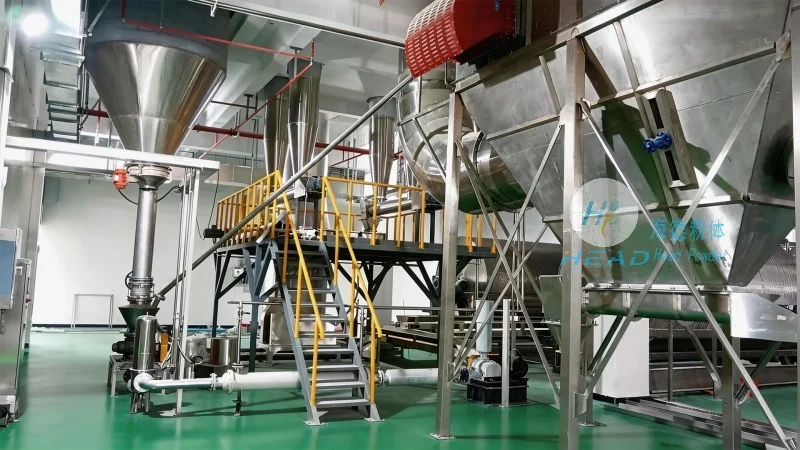
Shandong HeadPowder Engineering Co., Ltd., a professional manufacturer based in Shandong, China, specializes in the design, development, and production of advanced dust-free measuring material conveying systems. These systems are engineered to meet the stringent requirements of industries such as pharmaceuticals, food processing, and chemical manufacturing, where maintaining a clean and controlled environment is paramount. The following content provides a detailed overview of the operation process and working principle of these systems, highlighting their key components and functional mechanisms.
Operation Process and Working Principle of Dust-Free Measuring Material Conveying System Equipment

Overview of the Dust-Free Measuring Material Conveying System

The dust-free measuring material conveying system is a sophisticated piece of equipment designed to handle bulk materials with precision and efficiency while ensuring a contamination-free environment. It integrates multiple functional modules, including material feeding, measuring, conveying, and discharge mechanisms, all enclosed within a dust-tight housing. The system is typically equipped with advanced sensors, control systems, and automation features to ensure accurate measurement and consistent material flow. The design emphasizes minimal particle generation, easy cleaning, and compliance with industry standards like GMP (Good Manufacturing Practice) and ISO 14644 for cleanroom environments.

Key Components and Their Functions

The system consists of several critical components that work in tandem to achieve its operational objectives. These include:
Operation Process and Working Principle of Dust-Free Measuring Material Conveying System Equipment

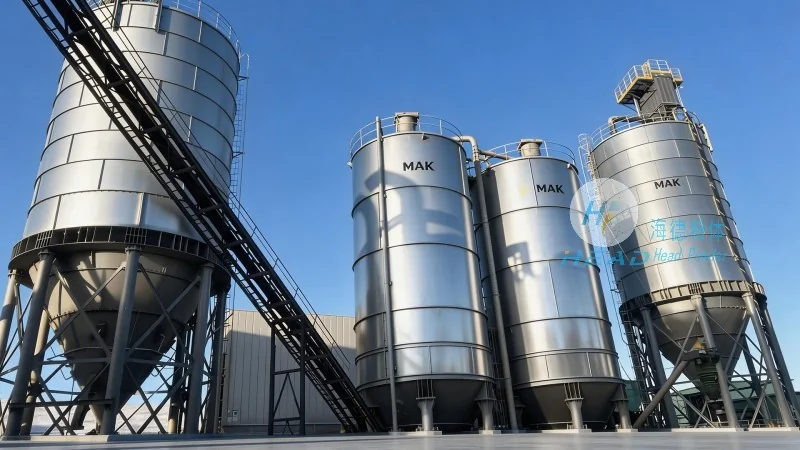
  • Material Hopper: A large, airtight container that stores the bulk material. It is equipped with a lid and a discharge valve to control the material flow into the system. The hopper is often lined with anti-static materials to prevent material buildup and ensure smooth discharge.
  • Feeding Mechanism: This component transfers material from the hopper to the measuring section. It may include a rotary valve, screw feeder, or vibratory feeder, depending on the material characteristics. The feeding mechanism is designed to provide a consistent and controlled flow rate, which is crucial for accurate measurement.
  • Measuring Device: The core of the system, the measuring device determines the quantity of material being conveyed. Common types include gravimetric scales, volumetric meters, or flow meters. Gravimetric scales are widely used for high-precision applications as they measure mass directly, eliminating errors caused by material density variations. The measuring device is integrated with a load cell or sensor that transmits data to the control system.
  • Conveying System: After measurement, the material is transported to the discharge point. This may involve a conveyor belt, pneumatic tube, or screw conveyor, depending on the material's properties and the required conveying distance. The conveying system is designed to maintain the material's integrity and prevent cross-contamination.
  • Control System: The central unit that manages all operations. It processes data from the measuring device and adjusts the feeding rate accordingly to achieve the desired output. The control system may include a PLC (Programmable Logic Controller), human-machine interface (HMI), and communication interfaces for integration with other production lines.
  • Cleaning and Maintenance Features: To ensure long-term performance and compliance with cleanroom standards, the system includes features such as easy-to-remove panels, CIP (Clean-in-Place) or SIP (Sterilize-in-Place) capabilities, and automatic cleaning cycles. These features help maintain a dust-free environment and simplify maintenance procedures.

Working Principle of the System

The operation of the dust-free measuring material conveying system follows a systematic process that ensures accurate material handling and minimal contamination. The workflow typically begins with the material being loaded into the hopper. The control system then initiates the feeding process, which is regulated by the feeding mechanism. As material flows into the measuring device, the load cell or sensor detects the mass and sends a signal to the control system. The control system compares the measured mass with the target setpoint and adjusts the feeding rate to maintain the desired output. Once the target quantity is reached, the feeding mechanism stops, and the material is conveyed to the discharge point.

During the operation, the system continuously monitors various parameters such as material flow rate, pressure, and temperature. Any deviations from the setpoints are immediately detected and corrected by the control system, ensuring process stability. The dust-tight housing and sealed components prevent dust particles from escaping into the environment and protect the material from external contaminants. The system also includes safety features such as emergency stop buttons and interlocks to prevent accidental operation.
Operation Process and Working Principle of Dust-Free Measuring Material Conveying System Equipment

Operation Process Flow

The operation process of the dust-free measuring material conveying system can be broken down into the following sequential steps:
Operation Process and Working Principle of Dust-Free Measuring Material Conveying System Equipment

  1. System Initialization: The operator starts the system by entering the target material quantity and other parameters through the HMI. The control system initializes all components and checks for any faults or errors.
  2. Material Loading: The bulk material is loaded into the hopper. The hopper lid is closed to maintain a dust-free environment.
  3. Feeding and Measurement: The feeding mechanism starts, and material flows into the measuring device. The load cell continuously measures the mass, and the control system adjusts the feeding rate to match the target quantity.
  4. Conveying: Once the target mass is achieved, the feeding mechanism stops, and the material is conveyed to the discharge point. The conveying system ensures the material is transported smoothly without any blockages or spillage.
  5. Discharge: The material is discharged into the receiving container or directly into the next production step. The system then resets and prepares for the next batch.
  6. Cleaning (Optional): After completing a batch or at the end of the day, the system performs an automatic cleaning cycle to remove any residual material and maintain the cleanroom standards.

Benefits and Applications

The dust-free measuring material conveying system offers several advantages in industrial applications. Its ability to handle bulk materials with high precision and maintain a clean environment makes it ideal for industries where product purity and consistency are critical. Some of the key benefits include:

  • High Accuracy and Precision: The gravimetric measurement ensures accurate material dosing, reducing waste and improving product quality.
  • Minimal Contamination: The enclosed design and sealed components prevent dust and particles from entering or exiting the system, maintaining a clean environment.
  • Efficient Material Handling: The integrated feeding, measuring, and conveying mechanisms streamline the material handling process, increasing productivity.
  • Easy Maintenance and Cleaning: The modular design and cleaning features simplify maintenance, reducing downtime and ensuring compliance with regulatory standards.
  • Flexibility and Scalability: The system can be customized to handle various material types and production volumes, making it suitable for different applications.

These systems are widely used in pharmaceutical manufacturing for the handling of active pharmaceutical ingredients (APIs), excipients, and other raw materials. They are also employed in the food and beverage industry for processing powders, grains, and other bulk food products. In the chemical industry, they are used for handling chemicals and reagents, ensuring safe and accurate dosing. The versatility and reliability of the dust-free measuring material conveying system make it a valuable asset in modern industrial operations.

recommend

Copyright © Shandong Headpowder Engineering Co., Ltd.    营业执照公示 网站地图

top
