When it comes to transporting cornmeal, selecting the right conveying method is crucial for efficiency, cost-effectiveness, and product integrity. Cornmeal, being a fine powder, requires specialized handling to prevent clogging, dust generation, and degradation. The choice of conveying system depends on factors such as material characteristics, production scale, environmental considerations, and operational requirements. This article explores the primary methods used for cornmeal conveying, highlighting their advantages, applications, and practical considerations.
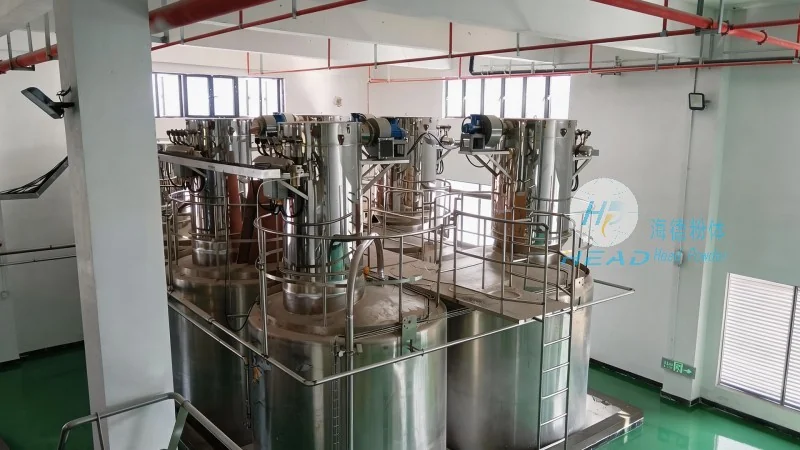
HeadPowder Engineering: Your Partner in Cornmeal Handling Solutions
Shandong HeadPowder Engineering Co., Ltd., a leading provider of industrial conveying systems, specializes in designing and manufacturing equipment tailored to the unique needs of cornmeal processing facilities. With years of experience in the industry, HeadPowder offers a range of solutions that ensure reliable, efficient, and safe cornmeal transport. The company’s expertise lies in understanding the challenges associated with handling fine powders like cornmeal and developing customized systems that meet the specific demands of each client. HeadPowder’s commitment to quality and innovation makes it a trusted partner for businesses seeking to optimize their cornmeal conveying processes.
1. Mechanical Conveying Systems: Traditional and Reliable Options
Mechanical conveying systems are among the most common methods for transporting cornmeal. These systems utilize mechanical components such as belts, screws, and buckets to move the material from one location to another. The primary types of mechanical conveyors used for cornmeal include:
- Belt Conveyors: Belt conveyors are widely used for horizontal and inclined transport of cornmeal. They consist of a continuous belt that moves over rollers or idlers, carrying the material along the path. Belt conveyors are suitable for both bulk and small-scale operations, offering high capacity and low maintenance costs. However, they may generate dust if the belt is not properly sealed, and they require regular cleaning to prevent material buildup.
- Screw Conveyors: Screw conveyors, also known as auger conveyors, use a rotating screw to push cornmeal through a tube or trough. This method is ideal for vertical or inclined transport, as the screw can lift the material to higher levels. Screw conveyors are effective for handling fine powders, as the screw’s design minimizes clogging. They are commonly used in feed mills and processing plants where vertical transport is necessary. The main advantage of screw conveyors is their simplicity and low cost, making them a popular choice for many cornmeal handling applications.
- Bucket Elevators: Bucket elevators are vertical conveyors that use a series of buckets attached to a chain or belt to lift cornmeal from a lower to a higher level. This method is highly efficient for vertical transport, with the ability to handle large volumes of material. Bucket elevators are particularly useful in facilities where space is limited, as they can transport material vertically without occupying horizontal space. However, they require more maintenance than other mechanical systems due to the moving parts and the risk of bucket wear.
Overall, mechanical conveying systems provide a reliable and cost-effective solution for cornmeal transport. They are suitable for various production scales and can be customized to meet specific operational requirements. However, they may not be as efficient as other methods for fine powders, as they can generate dust and require regular maintenance to ensure optimal performance.
2. Pneumatic Conveying Systems: Efficient and Flexible Solutions
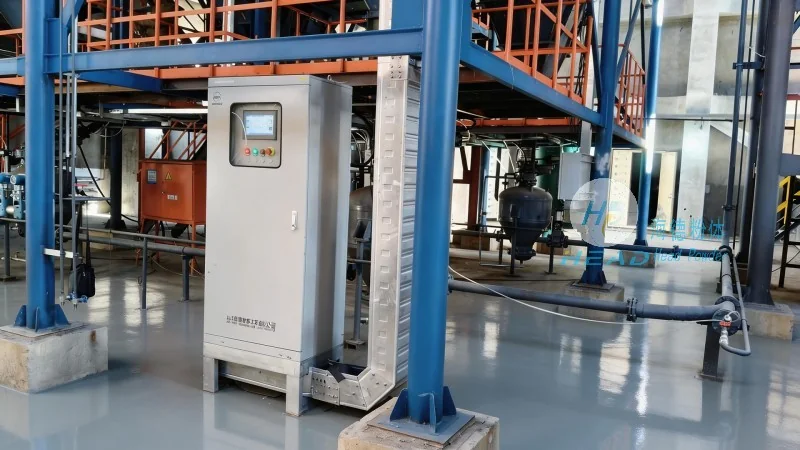
Pneumatic conveying systems use air or gas to transport cornmeal through a pipeline. This method is particularly effective for handling fine powders, as it minimizes dust generation and prevents material degradation. Pneumatic conveyors can be classified into two main types: pressure and vacuum systems.
- Pressure Conveying: In pressure conveying, compressed air is used to push cornmeal through the pipeline. The material is fed into a hopper, and the compressed air forces it through the line to the destination. This method is suitable for short to medium distances and can handle large volumes of material. Pressure conveying is commonly used in feed mills and processing plants where the cornmeal needs to be transported from one processing stage to another. The main advantage of pressure conveying is its ability to transport material over long distances without the need for multiple transfer points. However, it requires a higher air pressure and more energy compared to other pneumatic systems.
- Vacuum Conveying: Vacuum conveying uses a vacuum pump to draw cornmeal into the pipeline. The material is fed into a hopper, and the vacuum creates a negative pressure that pulls the material through the line. This method is ideal for handling fine powders, as it minimizes dust and prevents material loss. Vacuum conveying is commonly used for short to medium distances and is particularly effective for transporting material from a lower to a higher level. The main advantage of vacuum conveying is its ability to handle sensitive materials without causing degradation. However, it may not be as efficient as pressure conveying for long-distance transport.
Pneumatic conveying systems offer a flexible and efficient solution for cornmeal transport. They are particularly suitable for facilities where dust control is a priority and where the material needs to be transported over long distances. However, they require more energy than mechanical systems and may be more expensive to install and maintain.
3. Hybrid Conveying Systems: Combining the Best of Both Worlds
Hybrid conveying systems combine mechanical and pneumatic components to provide a more efficient and versatile solution for cornmeal transport. These systems typically use a mechanical conveyor to transport the material to a pneumatic section, where it is then conveyed to the final destination. This approach allows for the benefits of both methods to be utilized, such as the reliability of mechanical systems and the efficiency of pneumatic systems.
- Combination of Screw and Pneumatic Conveying: In this system, a screw conveyor is used to feed cornmeal into a pneumatic pipeline. The screw conveyor ensures that the material is fed at a consistent rate, while the pneumatic system transports it to the destination. This combination is particularly effective for handling fine powders, as the screw conveyor minimizes clogging and the pneumatic system minimizes dust. The main advantage of this hybrid system is its ability to handle large volumes of material efficiently and with minimal dust generation.
- Combination of Belt and Pneumatic Conveying: This system uses a belt conveyor to transport cornmeal to a pneumatic section, where it is then conveyed to the final destination. The belt conveyor is used for horizontal transport, while the pneumatic system is used for vertical or inclined transport. This combination is suitable for facilities where both horizontal and vertical transport is required. The main advantage of this hybrid system is its flexibility and ability to handle various material characteristics.
Hybrid conveying systems offer a balanced approach to cornmeal transport, combining the reliability of mechanical systems with the efficiency of pneumatic systems. They are particularly suitable for facilities that require both horizontal and vertical transport and where dust control is a priority. However, they may be more complex and expensive to install and maintain compared to other systems.
4. Factors to Consider When Choosing a Conveying System for Cornmeal
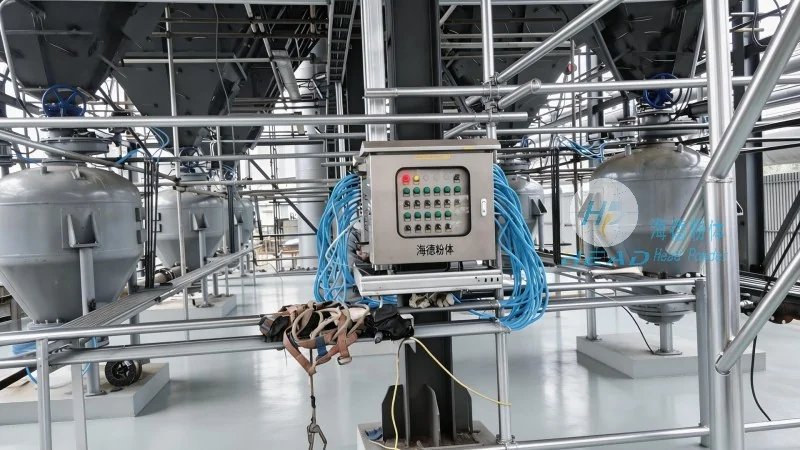
When selecting a conveying system for cornmeal, several factors need to be considered to ensure optimal performance and efficiency. These factors include:
- Material Characteristics: The properties of cornmeal, such as particle size, moisture content, and flowability, play a crucial role in determining the appropriate conveying method. Fine powders like cornmeal are more prone to clogging and dust generation, making pneumatic systems a better choice in many cases.
- Production Scale: The volume of cornmeal to be transported affects the choice of system. For small-scale operations, mechanical conveyors may be sufficient, while large-scale operations may require pneumatic or hybrid systems.
- Distance and Layout: The distance and layout of the facility determine the type of conveyor system. For short distances, mechanical systems may be sufficient, while long distances may require pneumatic systems.
- Dust Control: Cornmeal is a fine powder that can generate significant dust, which can be a health and safety hazard. The choice of system should consider dust control measures, such as sealing and filtration.
- Cost and Maintenance: The initial cost and ongoing maintenance of the system are important factors to consider. Mechanical systems are generally less expensive to install and maintain, while pneumatic systems may require more energy and maintenance.
By carefully evaluating these factors, businesses can select the most suitable conveying system for their cornmeal handling needs, ensuring efficient, reliable, and cost-effective transport.
Conclusion: Optimizing Cornmeal Conveying with HeadPowder Engineering
Choosing the right conveying method for cornmeal is essential for optimizing production efficiency, maintaining product quality, and ensuring safety. Mechanical, pneumatic, and hybrid systems each offer unique advantages and are suitable for different applications. Shandong HeadPowder Engineering Co., Ltd. provides comprehensive solutions tailored to the specific needs of cornmeal processing facilities, helping businesses achieve their operational goals with reliable and efficient conveying systems. Whether you need a traditional mechanical conveyor or a modern pneumatic system, HeadPowder Engineering offers the expertise and equipment to meet your cornmeal conveying requirements.

 Shandong Headpowder Engineering Co., Ltd.
 156-6277-7102(Manager Zhang)
  0531-83386006
  Zhangqiu District, Jinan City, Shandong Province, China