With more than 10‑year industry experience, Shandong Headpowder delivers full‑service pneumatic‑conveying systems and blowers, undertaking nationwide turn‑key powder‑handling projects.
Latex powder conveying is a critical process in various industrial applications, ensuring efficient material handling and consistent product quality. For businesses dealing with latex powder, understanding the different conveying methods is essential to optimize operations and maintain productivity. This article explores the primary methods used for latex powder transportation, highlighting the key factors that influence the selection of an appropriate system.
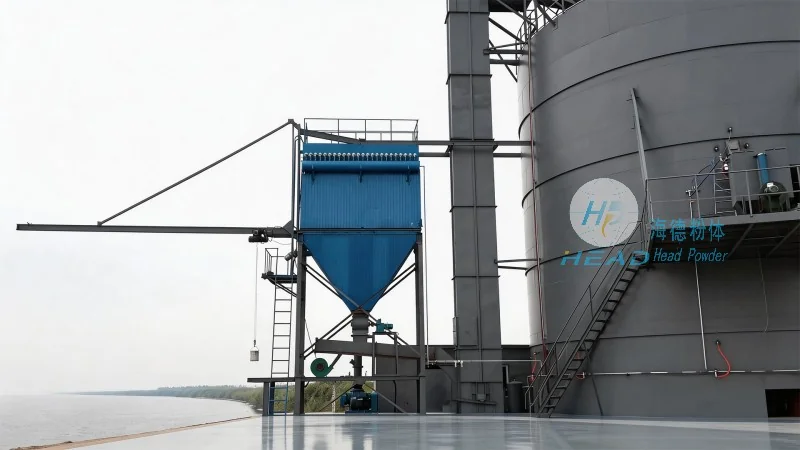
Latex powder, a fine and often abrasive material, requires specialized handling to prevent clogging, degradation, or contamination. The choice of conveying method depends on several factors, including the powder's properties (such as particle size, moisture content, and flowability), the distance to be covered, and the desired level of automation. Proper conveying systems not only enhance operational efficiency but also contribute to a safer working environment by minimizing dust exposure and reducing the risk of material loss.
Several methods are commonly employed for latex powder conveying, each with its own advantages and limitations. The most prevalent approaches include mechanical conveyors, pneumatic conveying systems, and vacuum-assisted systems. Each method is designed to address specific challenges associated with handling fine powders like latex.
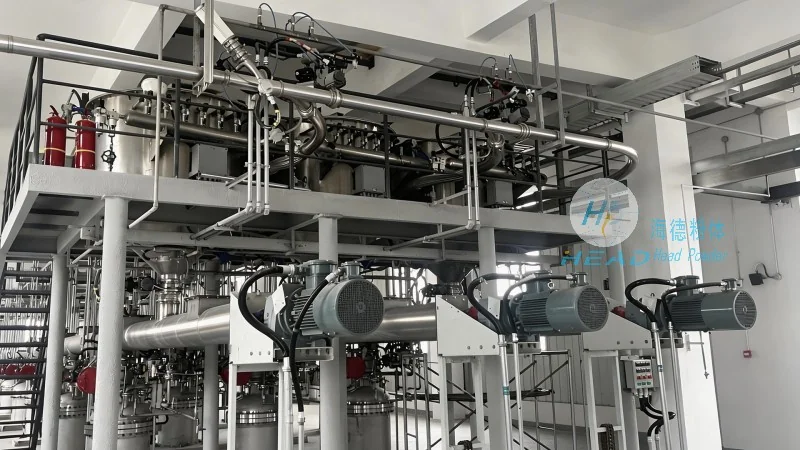
Mechanical conveyors, such as screw conveyors and belt conveyors, are widely used for latex powder transportation due to their simplicity and reliability. Screw conveyors, also known as auger conveyors, use a rotating screw to move powder along a tube or trough. This method is particularly effective for materials with moderate flowability, as the screw's rotation helps maintain a consistent flow and prevents clogging. Belt conveyors, on the other hand, use a continuous belt to transport powder over a series of rollers or idlers. They are suitable for longer distances and can handle larger quantities of material, making them ideal for bulk handling applications.
Pneumatic conveying systems utilize air or other gases to transport latex powder through a pipeline. These systems can be categorized into two main types: pressure and vacuum. Pressure systems use compressed air to push the powder forward, while vacuum systems use suction to draw the material into the pipeline. Pneumatic conveying offers several benefits, including the ability to handle fine powders without the need for additional equipment, reduced risk of contamination, and the capacity to transport materials over long distances. However, the selection of the right pressure or vacuum level is crucial to prevent material degradation or excessive energy consumption.
Vacuum-assisted conveying systems combine the benefits of vacuum and mechanical action to handle latex powder gently. These systems use a vacuum pump to create a low-pressure environment that draws the powder into the collection hopper or pipeline. The material is then transported through a series of pipes or ducts, often with the assistance of a rotary valve or airlock to maintain a consistent flow. Vacuum-assisted systems are particularly suitable for materials that are prone to caking or that require minimal disturbance, as they minimize the risk of particle breakdown or agglomeration.
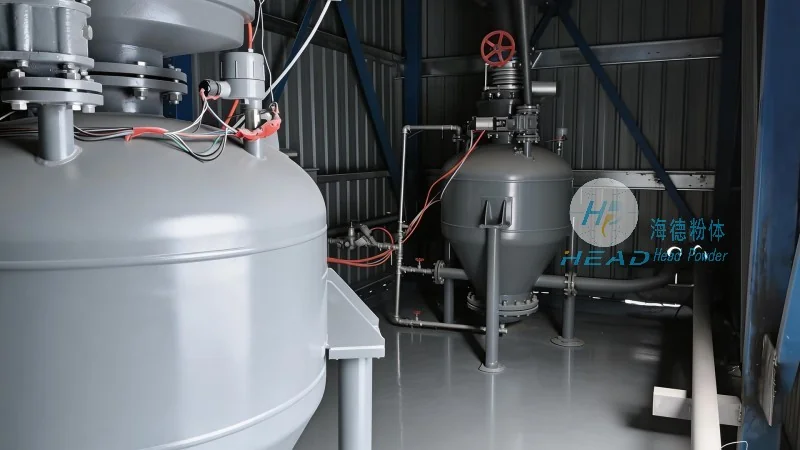
The selection of the most appropriate latex powder conveying method involves careful consideration of several key factors. The first is the physical properties of the powder, including particle size distribution, moisture content, and flowability. Powders with larger particles or higher moisture content may require different equipment to prevent clogging or sticking. The second factor is the distance and layout of the conveying system. Short distances may be suitable for mechanical conveyors, while longer distances often necessitate pneumatic or vacuum systems. The third factor is the desired level of automation and control. Modern conveying systems can be integrated with sensors and control panels to monitor flow rates, detect blockages, and adjust parameters in real-time, enhancing operational efficiency and reducing downtime.
Choosing the right method for latex powder conveying is essential for optimizing industrial processes and ensuring product quality. Mechanical conveyors offer reliability and simplicity, while pneumatic and vacuum systems provide flexibility and efficiency. By considering the specific characteristics of the latex powder and the operational requirements of the facility, businesses can select the most suitable conveying system. For companies seeking expert guidance on latex powder handling solutions, Shandong HeadPowder Engineering Co., Ltd. in China provides comprehensive services tailored to meet the unique needs of each client.

 Shandong Headpowder Engineering Co., Ltd.
 156-6277-7102(Manager Zhang)
  0531-83386006
  Zhangqiu District, Jinan City, Shandong Province, China
telephone
WeChatconsult
top