With more than 10‑year industry experience, Shandong Headpowder delivers full‑service pneumatic‑conveying systems and blowers, undertaking nationwide turn‑key powder‑handling projects.
Phosphorus pentoxide, also known as P₂O₅, is a highly reactive chemical compound widely used in various industrial applications. The safe and efficient transportation of this substance is crucial for ensuring product integrity and compliance with safety regulations. This article explores the primary methods used for transporting phosphorus pentoxide, highlighting the considerations and best practices for each approach.
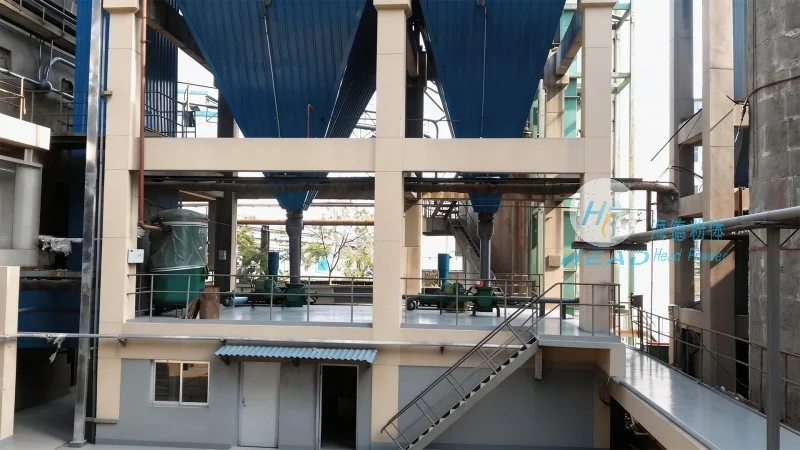
Before delving into transportation methods, it is essential to understand the properties of phosphorus pentoxide that influence how it is handled. Phosphorus pentoxide is a white, crystalline solid that rapidly absorbs moisture from the air, forming phosphoric acid. This hygroscopic nature makes it highly reactive and potentially hazardous if not stored or transported under controlled conditions. Due to its corrosive and moisture-sensitive characteristics, specialized equipment and protocols are required for safe transport.
Several methods are employed to transport phosphorus pentoxide, each suited to different scenarios and logistical needs. The choice of method often depends on the quantity, destination, and regulatory requirements of the shipment. The primary transportation options include:
Bulk tanker transport is a common method for moving large quantities of phosphorus pentoxide, typically in liquid or slurry form. Specialized tankers are used, often made from materials resistant to corrosion, such as stainless steel or lined with protective coatings. These tankers are equipped with temperature and pressure controls to maintain the stability of the substance during transit. The process involves loading the phosphorus pentoxide into the tanker at the production facility, ensuring it is sealed to prevent moisture ingress. During transport, the tanker is monitored continuously to detect any changes in temperature or pressure that could indicate a risk of decomposition or leakage.
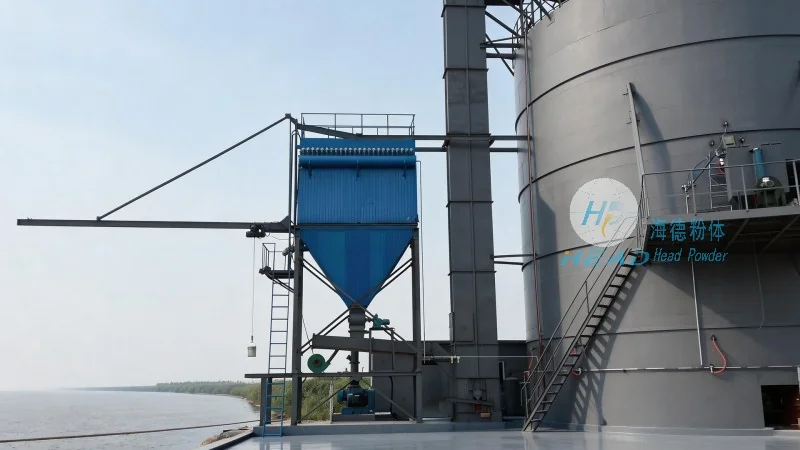
For smaller quantities or when shipping to specific destinations, containerized shipping is a practical option. Phosphorus pentoxide is often packaged in tightly sealed, moisture-proof containers, such as stainless steel drums or specialized plastic containers with airtight seals. These containers are designed to withstand the chemical's reactivity and prevent any leakage during handling and transit. The containers are typically loaded into standard shipping containers or pallets, which are then transported via trucks, rail, or sea freight. This method allows for more flexible logistics, especially for regional or international shipments where bulk tankers may not be feasible.
In some cases, phosphorus pentoxide is transported in smaller batches using specialized pallets and handling equipment. These systems are designed to minimize exposure to air and moisture while ensuring safe movement. The pallets are often equipped with desiccant materials to absorb any residual moisture, and the containers are sealed with multiple layers of protective packaging. This approach is particularly useful for short-distance transport within a facility or between nearby locations, where the volume is manageable and the risk of contamination is lower.
Regardless of the chosen method, several critical factors must be considered to ensure the safe and compliant transport of phosphorus pentoxide. These include:
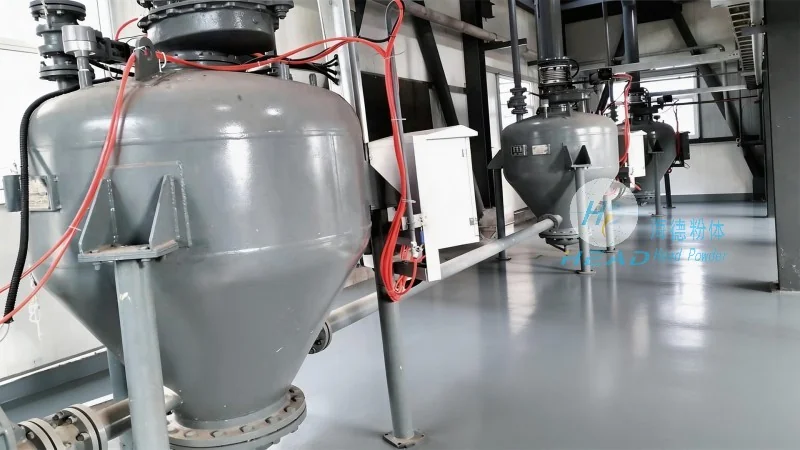
Transporting phosphorus pentoxide involves adhering to various national and international regulations, such as those set by the International Maritime Organization (IMO) and the U.S. Department of Transportation (DOT). These regulations outline requirements for packaging, labeling, and documentation to ensure the safety of handlers and the public. Companies must ensure that all transport documents, including shipping manifests and safety data sheets (SDS), are accurately completed and up to date. Non-compliance can result in fines, delays, or even the rejection of the shipment.
The packaging used for phosphorus pentoxide must be robust and designed to prevent leaks or contamination. Materials like stainless steel, high-density polyethylene (HDPE), or specialized composite materials are commonly used. The containers must be sealed with multiple layers, including inner and outer seals, to provide an additional barrier against moisture and air. Regular inspections of the packaging are necessary to detect any signs of wear or damage that could compromise the integrity of the shipment.
Phosphorus pentoxide is sensitive to temperature changes, which can affect its stability and reactivity. During transport, the substance must be kept within a specific temperature range to prevent decomposition or exothermic reactions. This often requires the use of temperature-controlled vehicles or containers, especially for long-distance or international shipments. Additionally, the transport route should be planned to minimize exposure to extreme weather conditions, such as high humidity or direct sunlight, which can accelerate moisture absorption.
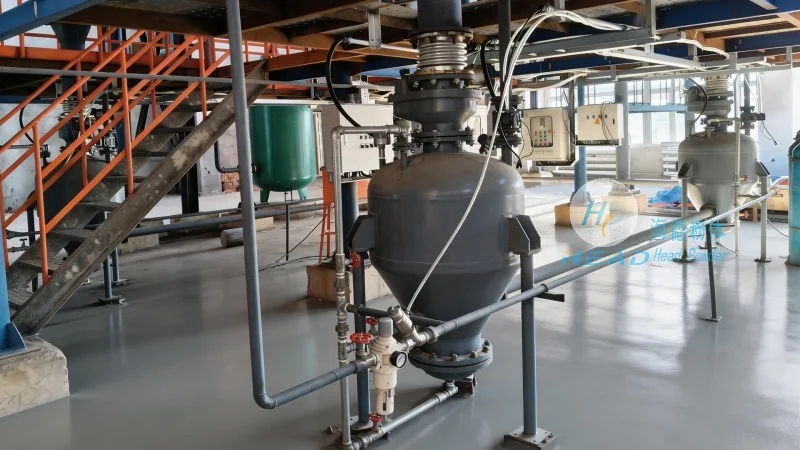
All personnel involved in the transportation of phosphorus pentoxide must receive comprehensive training on the chemical's properties, handling procedures, and emergency response protocols. This includes understanding the risks associated with exposure to phosphoric acid (formed when the substance reacts with moisture) and knowing how to handle spills or leaks safely. Companies must also establish clear safety protocols, such as wearing appropriate personal protective equipment (PPE) and having emergency response plans in place. Regular drills and audits help ensure that these protocols are followed consistently.
Shandong HeadPowder Engineering Co., Ltd., a leading provider of phosphorus pentoxide solutions, specializes in the safe and efficient transport of this chemical. The company employs state-of-the-art equipment and adheres to strict safety standards to ensure the integrity of its products. By leveraging bulk tanker transport for large-scale shipments and containerized shipping for smaller orders, HeadPowder meets the diverse needs of its clients while maintaining compliance with all regulatory requirements. The company's commitment to quality and safety has earned it a reputation as a trusted partner in the industry.
The transportation of phosphorus pentoxide requires careful planning and adherence to best practices to ensure safety and compliance. Whether using bulk tankers, containerized shipping, or specialized handling equipment, each method must be tailored to the specific characteristics of the substance and the logistical requirements of the shipment. By prioritizing regulatory compliance, proper packaging, environmental control, and personnel training, companies can effectively transport phosphorus pentoxide while minimizing risks. For businesses seeking reliable and safe transportation solutions, Shandong HeadPowder Engineering Co., Ltd. offers expertise and equipment to meet these needs.

 Shandong Headpowder Engineering Co., Ltd.
 156-6277-7102(Manager Zhang)
  0531-83386006
  Zhangqiu District, Jinan City, Shandong Province, China
telephone
WeChatconsult
top