

Operation Process and Working Principle of Fully Automatic Material Handling Equipment
For industrial applications requiring efficient and reliable material handling, the fully automatic material handling system represents a sophisticated solution designed to streamline operations and enhance productivity. This equipment, developed by Shandong HeadPowder Engineering Co., Ltd., a leading manufacturer based in Shandong, China, integrates advanced technology to automate the movement, storage, and management of materials within various production environments.
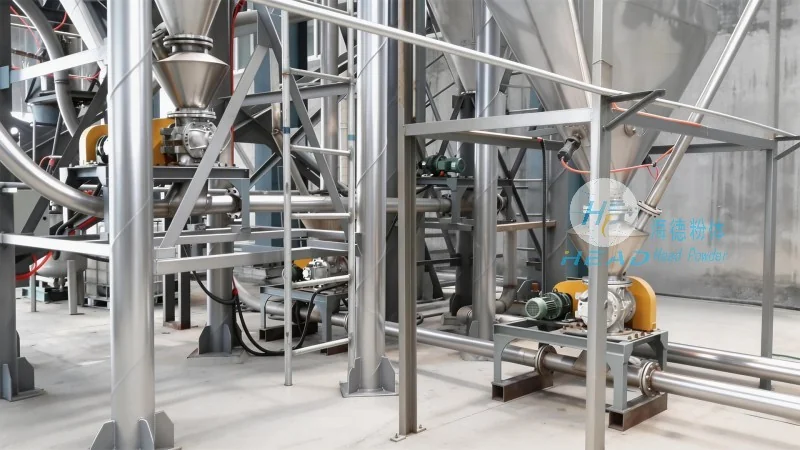
HeadPowder, as the company's brand, specializes in creating customized material handling solutions tailored to meet the specific needs of different industries. The fully automatic material handling system is engineered to operate seamlessly, reducing manual intervention and minimizing operational errors. By leveraging cutting-edge control systems and mechanical components, this equipment ensures consistent performance and high efficiency in material transportation tasks.
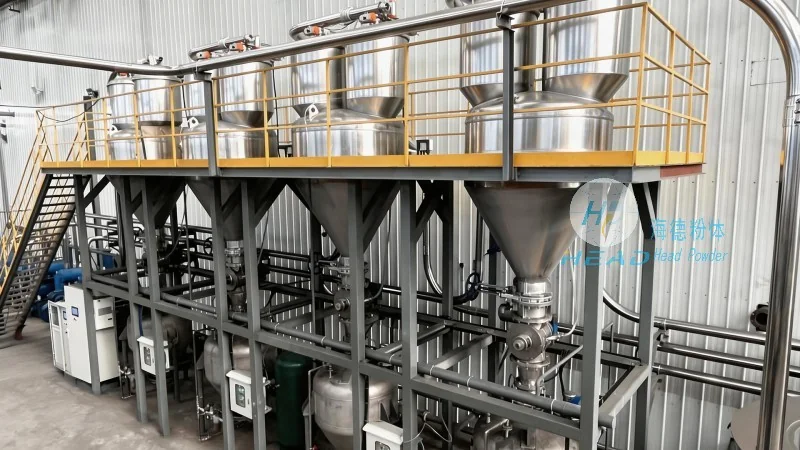
Key Components and Structure of the Fully Automatic Material Handling System
The fully automatic material handling system comprises several core components that work in tandem to achieve optimal functionality. These include conveyor belts, automated guided vehicles (AGVs), robotic arms, and advanced control panels. Each component is meticulously designed to handle different material types and operational requirements. The conveyor belts are typically made of durable materials such as stainless steel or rubber, ensuring resistance to wear and tear from frequent use. Automated guided vehicles are equipped with sensors and navigation systems that allow them to move materials autonomously along predefined paths. Robotic arms, often integrated with the system, perform tasks like picking, placing, and sorting materials with precision and speed. The control panels, featuring user-friendly interfaces, enable operators to monitor and adjust the system's operations in real-time, enhancing flexibility and adaptability.
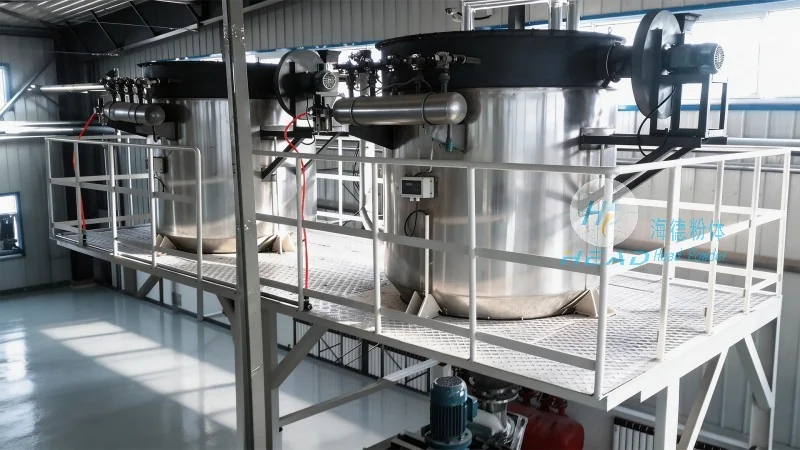
Operation Process of the Fully Automatic Material Handling System
The operation of the fully automatic material handling system follows a systematic process that ensures smooth material flow from input to output. Initially, materials are loaded into the system through designated input points, such as hoppers or loading stations. The system then uses sensors to detect the presence and type of materials, triggering the appropriate handling actions. For example, if the system is configured to handle bulk materials, the conveyor belts will transport these materials to the storage or processing areas. Automated guided vehicles may be deployed to move smaller items or to transport materials between different sections of the facility. Robotic arms are activated to pick and place items as needed, ensuring precise positioning and minimizing the risk of damage. The control panel continuously monitors the system's performance, providing real-time feedback on operational status, such as speed, load capacity, and any potential issues. This monitoring capability allows for immediate adjustments to maintain optimal performance and prevent downtime.
Working Principle of the Fully Automatic Material Handling System
The working principle of the fully automatic material handling system is based on a combination of mechanical, electrical, and software components that work together to automate material handling tasks. The system utilizes sensors and feedback mechanisms to detect the position and status of materials and equipment. These sensors provide data to the control system, which processes the information and sends commands to the actuators (e.g., motors, valves) to execute the required actions. The control system, often powered by programmable logic controllers (PLCs) or industrial computers, runs pre-programmed logic to coordinate the movement of materials and the operation of various components. For instance, when a material is detected at the input station, the control system activates the conveyor belt to transport it to the next stage. If the system is integrated with a robotic arm, the control system sends coordinates to the arm to pick up the material and place it in the designated location. The software algorithms embedded in the control system also handle tasks like sorting, routing, and inventory management, ensuring that materials are handled efficiently and accurately. By leveraging this integrated approach, the fully automatic material handling system achieves high levels of automation, reducing the need for manual labor and improving overall operational efficiency.
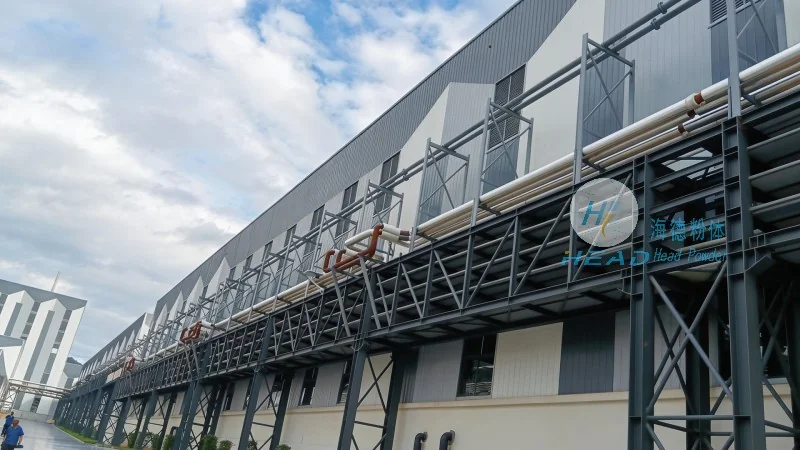
Advantages and Applications of the Fully Automatic Material Handling System
The fully automatic material handling system offers numerous advantages that make it an ideal choice for modern industrial applications. One of the primary benefits is increased productivity, as the system can operate continuously without breaks, handling large volumes of materials efficiently. The automation also reduces labor costs and minimizes the risk of human error, leading to higher quality and consistency in material handling. Additionally, the system's flexibility allows it to be adapted to different production needs, making it suitable for various industries such as manufacturing, logistics, and warehousing. The durability and reliability of the equipment ensure long-term performance, reducing maintenance and replacement costs over time. The system's integration capabilities also enable it to work with other industrial systems, such as inventory management software and production scheduling tools, enhancing overall operational efficiency. In summary, the fully automatic material handling system provides a comprehensive solution for material handling needs, contributing to improved productivity and operational efficiency in industrial settings.