With more than 10‑year industry experience, Shandong Headpowder delivers full‑service pneumatic‑conveying systems and blowers, undertaking nationwide turn‑key powder‑handling projects.
The intelligent centralized material handling system, developed by Shandong HeadPowder Engineering Co., Ltd., is a sophisticated solution designed to optimize material flow within industrial environments. This system integrates advanced automation technologies and intelligent control mechanisms to enhance efficiency, reduce operational costs, and improve overall productivity in material handling processes. By centralizing control and coordination of various material handling equipment, the system ensures seamless and reliable movement of materials from storage to processing areas, or vice versa, across different production stages.
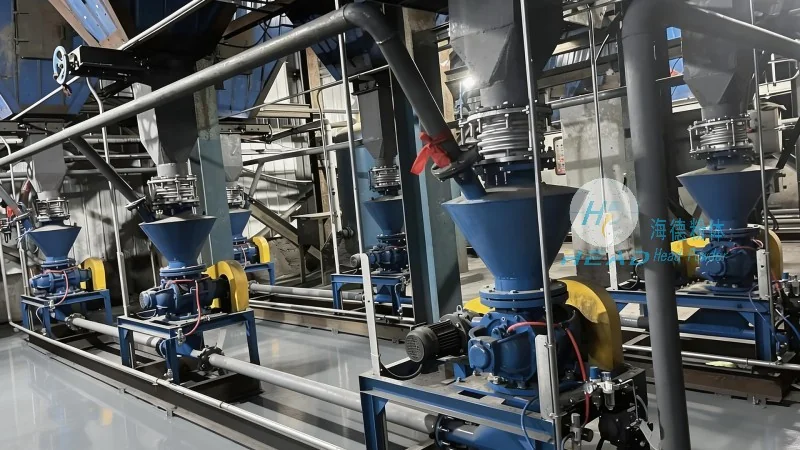
The system comprises several core components that work in harmony to achieve its objectives. These include automated guided vehicles (AGVs), conveyor systems, robotic arms, and a central control unit equipped with artificial intelligence algorithms. The AGVs are responsible for transporting materials over fixed or flexible routes, while the conveyor systems facilitate continuous material movement along designated paths. Robotic arms may be integrated for tasks such as picking, placing, or sorting materials, adding a layer of precision and adaptability. The central control unit serves as the brain of the system, processing real-time data from sensors and other devices to make intelligent decisions about material routing, speed adjustments, and equipment scheduling. This integrated structure allows for a highly flexible and scalable material handling solution that can be customized to meet the specific needs of different industrial applications.
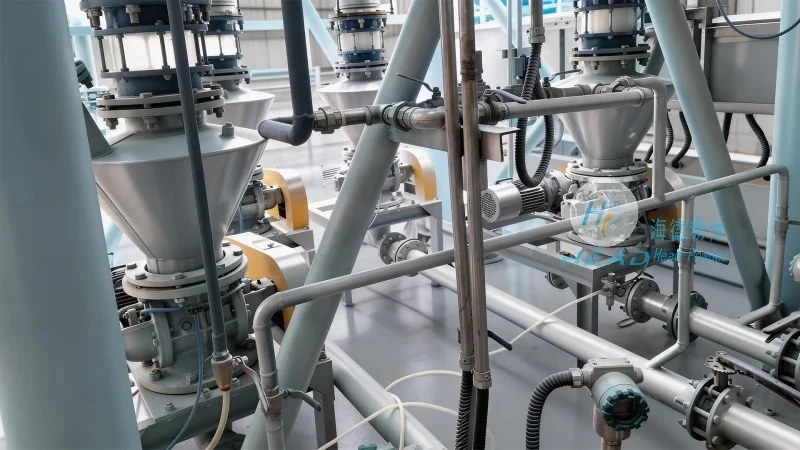
The operation process of the intelligent centralized material handling system begins with the receipt of a material handling request from the production management system. This request is then transmitted to the central control unit, which analyzes the current system status, including the positions of AGVs, the status of conveyor belts, and the availability of storage or processing areas. Based on this analysis, the control unit generates an optimal routing plan for the material, considering factors such as shortest path, minimal congestion, and priority levels. The AGVs and conveyor systems then execute the routing plan, with real-time monitoring and adjustments made by the control unit to adapt to any changes in the production environment. For example, if an AGV encounters an obstacle or a conveyor belt experiences a temporary slowdown, the control unit can re-route the material to an alternative path or adjust the speed of other equipment to maintain overall system efficiency. The process continues until the material reaches its destination, where it is either stored in a designated location or transferred to the next production stage. Throughout this process, the system continuously collects data on performance metrics, such as travel time, throughput, and energy consumption, which are used for performance optimization and predictive maintenance.
The working principle of the intelligent centralized material handling system is underpinned by several advanced technologies that enable its intelligent and adaptive operation. The central control unit utilizes artificial intelligence (AI) and machine learning (ML) algorithms to process real-time data from various sensors and devices. These algorithms help in predicting system behavior, identifying potential bottlenecks, and optimizing material flow. For instance, the AI model can learn from historical data to anticipate peak production periods and adjust the system's capacity accordingly, ensuring that material handling operations remain efficient even during high-demand scenarios. The system also incorporates sensor technologies, such as laser scanners and RFID tags, to track the position and status of materials and equipment in real time. This real-time tracking allows for precise coordination between different components, reducing the risk of errors or delays. Additionally, the system employs communication protocols, such as Wi-Fi or industrial Ethernet, to ensure seamless data exchange between the central control unit and the various components. This robust communication infrastructure enables the system to maintain real-time visibility and control over all material handling activities, contributing to its high reliability and performance.
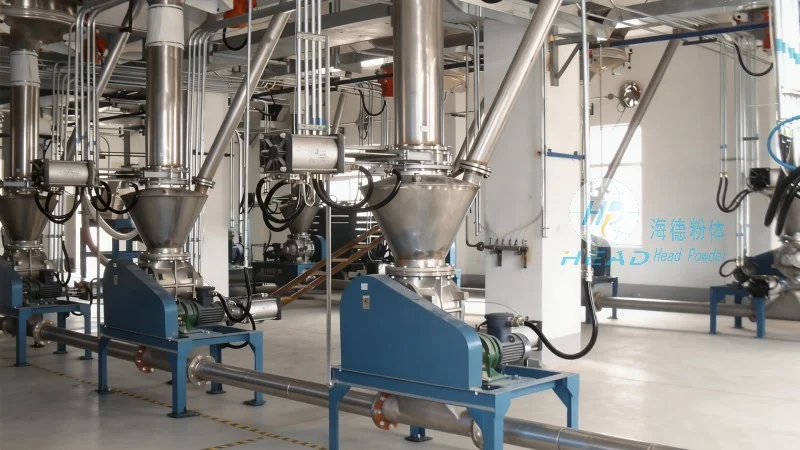
The intelligent centralized material handling system offers numerous benefits to industrial operations, making it a valuable asset for companies seeking to enhance their material handling capabilities. One of the primary benefits is the significant improvement in operational efficiency. By automating material movement and reducing manual intervention, the system minimizes downtime and increases throughput, allowing production lines to operate at optimal levels. Additionally, the system reduces labor costs by automating repetitive tasks, freeing up human workers to focus on more value-added activities. The centralized control and monitoring capabilities also enhance safety in the workplace by minimizing human error and ensuring that material handling operations are conducted in a controlled manner. Furthermore, the system's adaptability and scalability make it suitable for a wide range of industrial applications, from small-scale manufacturing facilities to large-scale distribution centers. For example, in a manufacturing plant, the system can handle the movement of raw materials to production lines, the transfer of finished products to storage, and the delivery of components to assembly stations. In a distribution center, it can manage the flow of goods from receiving to shipping, improving order fulfillment rates and reducing delivery times. The system's ability to integrate with existing production systems also ensures a smooth transition and minimal disruption to current operations.

 Shandong Headpowder Engineering Co., Ltd.
 156-6277-7102(Manager Zhang)
  0531-83386006
  Zhangqiu District, Jinan City, Shandong Province, China
telephone
WeChatconsult
top