With more than 10‑year industry experience, Shandong Headpowder delivers full‑service pneumatic‑conveying systems and blowers, undertaking nationwide turn‑key powder‑handling projects.
HeadPowder, a leading engineering company based in Shandong, China, specializes in the design, manufacturing, and installation of advanced pneumatic conveying systems for handling crystalline powders. This article provides a detailed overview of the operation process and working principles of such systems, highlighting the key components, operational steps, and technical aspects that ensure efficient and reliable material transport.
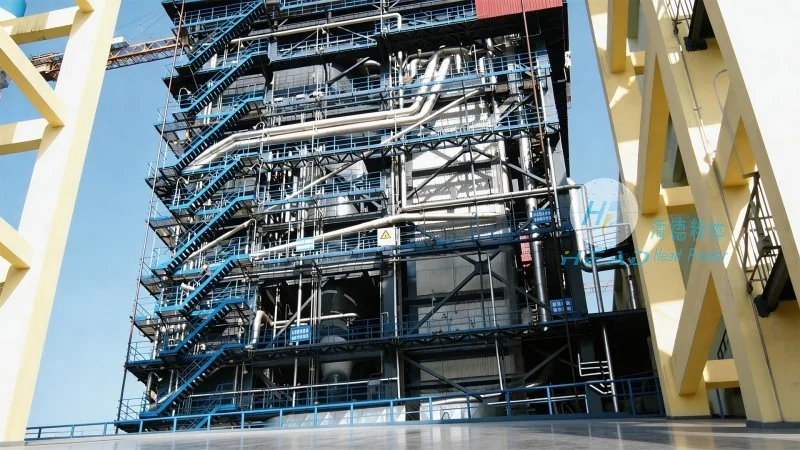
HeadPowder Engineering Co., Ltd. is a reputable enterprise dedicated to providing high-quality engineering solutions for powder handling applications. With a strong presence in Shandong, China, the company leverages years of industry experience to develop customized pneumatic conveying lines tailored to the specific needs of clients in various industries, including pharmaceuticals, chemicals, food processing, and more. The company's commitment to innovation and precision ensures that its systems meet the highest standards of performance and safety.
The operation of a crystalline powder pneumatic conveying line involves several critical components that work in tandem to facilitate material transport. These components include the hopper or feeder, which stores and feeds the crystalline powder into the system; the conveying pipeline, which transports the material under pressure; the air compressor or blower, which generates the necessary airflow; and the control system, which regulates the flow of material and air. Each component plays a vital role in ensuring the smooth and efficient operation of the entire system.
The core principle of pneumatic conveying is the use of compressed air to move powders through a pipeline. In the case of crystalline powders, the system operates by creating a pressure differential between the inlet and outlet of the pipeline. The air compressor draws in ambient air and compresses it to a specific pressure, which is then introduced into the conveying line. As the compressed air flows through the pipeline, it entrains the crystalline powder particles, forming a slurry-like mixture known as a "pneumatic stream." This stream is then transported to the destination point, where the air and powder are separated, typically using a cyclone or filter system. The separated powder is collected in a receiving hopper, while the air is either vented to the atmosphere or recycled back into the system.
The operation of a crystalline powder pneumatic conveying line follows a systematic process to ensure optimal performance and minimal downtime. The steps involved are as follows:
1. Material Loading: The crystalline powder is loaded into the storage hopper from which it will be fed into the conveying system. The hopper is equipped with a feeder, such as a rotary valve or a screw feeder, which controls the flow rate of the material into the pipeline.

2. Air Compression: The air compressor or blower is activated, and compressed air is generated at a pressure suitable for the specific powder characteristics and pipeline length. The pressure is typically adjusted based on the particle size, density, and moisture content of the crystalline powder.
3. Material Conveying: The feeder releases the crystalline powder into the conveying pipeline as the compressed air flows through. The air entrains the powder particles, creating a consistent flow of the pneumatic stream. The pipeline is designed with appropriate bends and fittings to minimize pressure loss and ensure smooth material transport.
4. Material Separation: At the receiving end of the pipeline, a separation device, such as a cyclone separator or a filter, is used to separate the crystalline powder from the air. The powder is collected in a receiving hopper, while the air is either vented or recirculated back to the compressor.
5. System Monitoring and Control: The control system continuously monitors parameters such as pressure, flow rate, and temperature to ensure the system operates within safe and efficient limits. Any deviations are automatically adjusted to maintain optimal performance.
Crystalline powder pneumatic conveying lines offer several advantages over traditional mechanical conveying methods. These include:
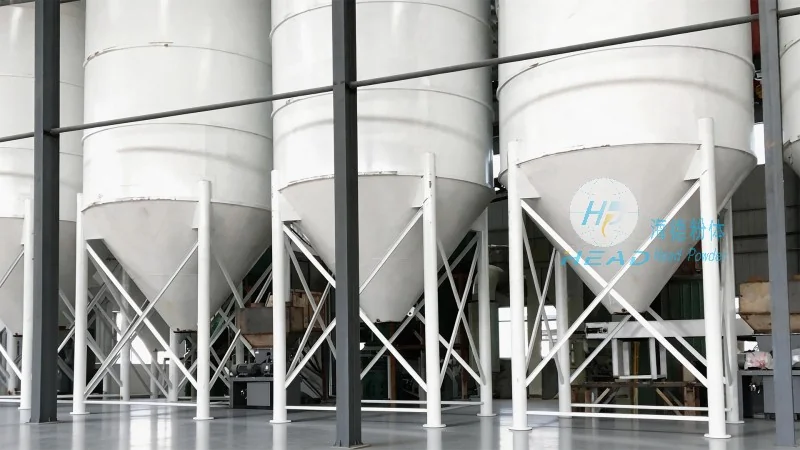
• Non-Contact Material Handling: The system does not require physical contact between the material and the conveying equipment, reducing the risk of contamination and product degradation.
• Reduced Downtime: Pneumatic conveying systems are generally more reliable and require less maintenance compared to mechanical systems, leading to lower downtime and higher productivity.
• Customizable Design: The system can be tailored to the specific characteristics of the crystalline powder, including particle size, density, and moisture content, ensuring optimal performance.
• Space Efficiency: Pneumatic conveying lines can be installed in compact spaces, making them suitable for facilities with limited floor space.
Crystalline powder pneumatic conveying lines are widely used in various industries due to their versatility and efficiency. Some common applications include:
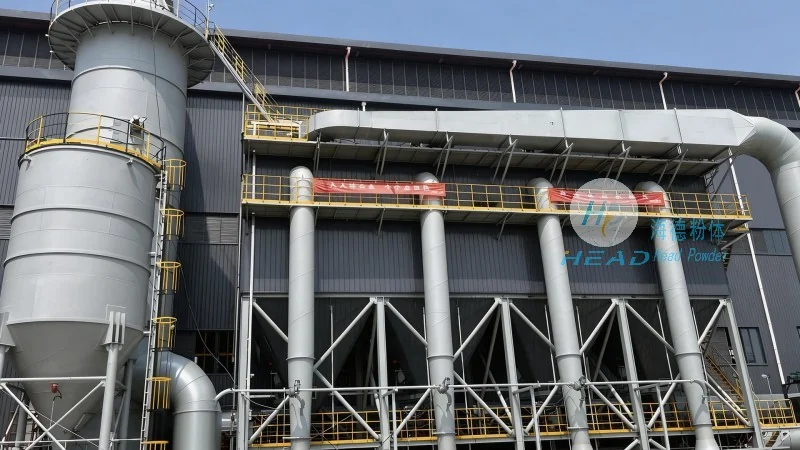
• Pharmaceutical Industry: Transporting active pharmaceutical ingredients (APIs) and other crystalline powders used in drug manufacturing.
• Chemical Industry: Handling chemical powders, including those used in the production of fertilizers, paints, and coatings.
• Food Processing Industry: Conveying food-grade crystalline powders, such as sugar, salt, and spices, in food manufacturing facilities.
• Mineral Processing Industry: Transporting mineral powders, including those used in the production of cement and other building materials.
Crystalline powder pneumatic conveying lines are essential equipment for efficient and safe material transport in various industries. With its non-contact handling, reduced downtime, and customizable design, the system offers significant advantages over traditional conveying methods. HeadPowder Engineering Co., Ltd., based in Shandong, China, provides high-quality pneumatic conveying solutions tailored to the specific needs of clients, ensuring optimal performance and reliability. By understanding the operation process and working principles of such systems, industries can enhance their production efficiency and maintain product quality.

 Shandong Headpowder Engineering Co., Ltd.
 156-6277-7102(Manager Zhang)
  0531-83386006
  Zhangqiu District, Jinan City, Shandong Province, China
telephone
WeChatconsult
top