With more than 10‑year industry experience, Shandong Headpowder delivers full‑service pneumatic‑conveying systems and blowers, undertaking nationwide turn‑key powder‑handling projects.
HeadPowder, a leading manufacturer based in Shandong, China, specializes in the design and production of advanced pneumatic conveying systems for handling lithium oxalate powder. This equipment is engineered to efficiently transport fine powders like lithium oxalate, ensuring high reliability and minimal material loss during the process. The following sections will detail the operational process and working principles of such a system, highlighting key components and their functions.
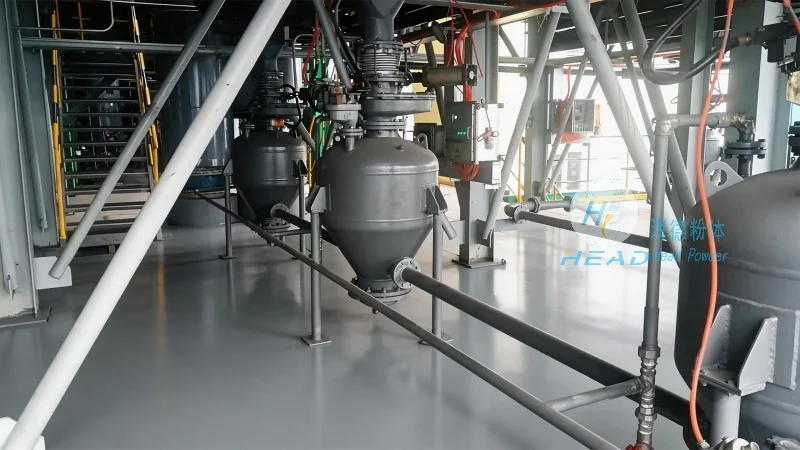
The lithium oxalate powder pneumatic conveying machine typically consists of several critical components that work in tandem to achieve effective material transport. These include a hopper for powder storage, a rotary valve or feeder to control the powder flow, a conveying pipeline system, a blower or compressor to generate the air flow, and a dust collector or filter to manage airborne particles. Each component plays a vital role in maintaining the system's efficiency and safety.
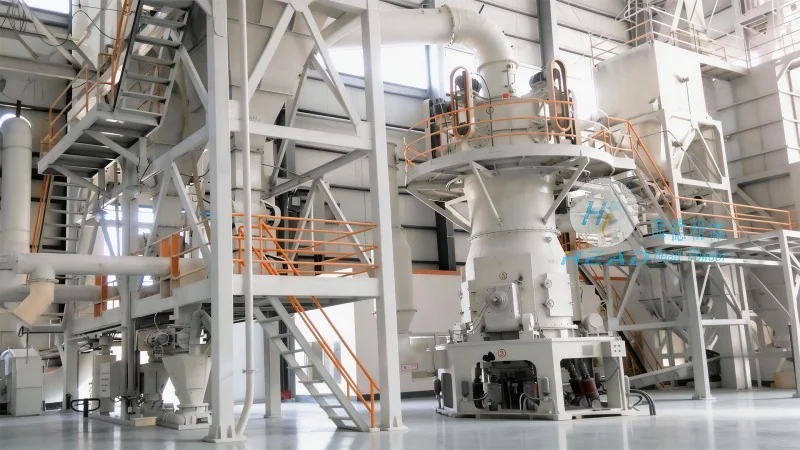
The operation process of the lithium oxalate powder pneumatic conveying system begins with the loading of lithium oxalate powder into the hopper. The hopper is designed with a smooth interior to prevent material buildup and ensure consistent flow. A rotary valve or feeder is then used to regulate the amount of powder released into the conveying pipeline. As the powder enters the pipeline, a high-pressure air stream, generated by the blower or compressor, is introduced. This air stream creates a negative pressure or positive pressure environment, depending on the system design, to move the powder particles through the pipeline. The conveying process continues until the target destination is reached, such as a storage silo or processing unit. The system is equipped with sensors and controls to monitor the flow rate and pressure, ensuring optimal performance and preventing overloading or blockages.
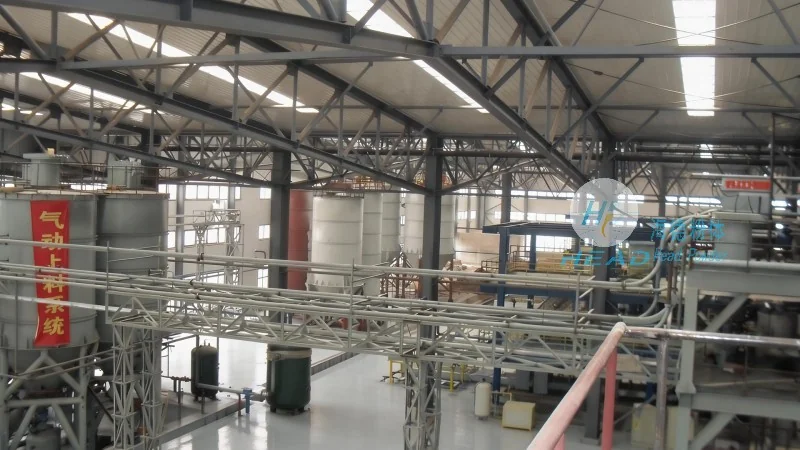
The working principle of the lithium oxalate powder pneumatic conveying machine relies on the principles of fluid dynamics and particle transport. When the blower or compressor supplies air into the pipeline, it creates a flow that can be either positive or negative pressure, depending on the application. In a positive pressure system, the air pushes the powder particles forward, while in a negative pressure system, the air pulls the particles through the pipeline. The velocity of the air stream is carefully controlled to ensure that the powder particles are carried without excessive abrasion or degradation. The system also incorporates a dust collection system to capture any fine particles that may escape during the conveying process, maintaining air quality and compliance with environmental regulations. The entire process is automated, with programmable logic controllers (PLCs) managing the flow rates, pressure, and other parameters to ensure consistent and reliable operation.
Employing a pneumatic conveying system for lithium oxalate powder offers several advantages over traditional methods like belt conveyors or manual handling. Firstly, it provides a dust-free environment, reducing the risk of inhalation and improving workplace safety. Secondly, the system minimizes material loss and contamination, as the powder is contained within the pipeline and does not come into direct contact with external surfaces. Thirdly, it offers high efficiency in terms of speed and capacity, allowing for large volumes of powder to be transported over long distances with minimal energy consumption. Additionally, the system is flexible and can be easily integrated with other processing equipment, such as mixers or reactors, to form a complete production line. These benefits make pneumatic conveying an ideal choice for industries dealing with fine powders like lithium oxalate.
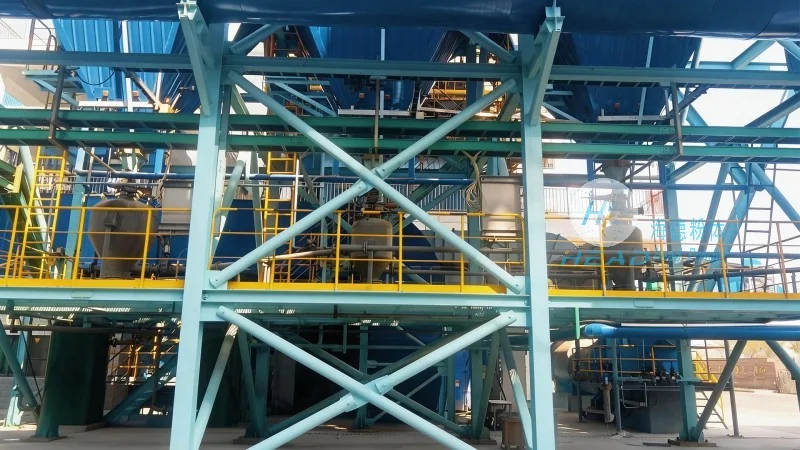
Maintaining the lithium oxalate powder pneumatic conveying machine is crucial for ensuring long-term performance and safety. Regular maintenance includes checking the blower or compressor for proper operation, inspecting the conveying pipeline for blockages or wear, and cleaning the dust collection system to prevent clogging. It is also important to monitor the powder flow and pressure to detect any abnormalities early. Safety considerations include ensuring proper ventilation to remove airborne particles, using appropriate personal protective equipment (PPE) when handling the powder, and implementing emergency stop procedures in case of system failure. By adhering to these maintenance and safety guidelines, the system can operate reliably and safely for extended periods.

 Shandong Headpowder Engineering Co., Ltd.
 156-6277-7102(Manager Zhang)
  0531-83386006
  Zhangqiu District, Jinan City, Shandong Province, China
telephone
WeChatconsult
top