With more than 10‑year industry experience, Shandong Headpowder delivers full‑service pneumatic‑conveying systems and blowers, undertaking nationwide turn‑key powder‑handling projects.
Boron nitride (BN) is a versatile ceramic material widely used in high-temperature applications, electronics, and advanced manufacturing due to its excellent thermal stability, electrical insulation properties, and chemical inertness. The efficient handling and transportation of BN materials are critical for ensuring consistent quality and minimizing material loss during production. This article provides a detailed overview of the operation process and working principle of boron nitride material conveying lines, highlighting the key components, operational steps, and technical considerations that ensure reliable performance.
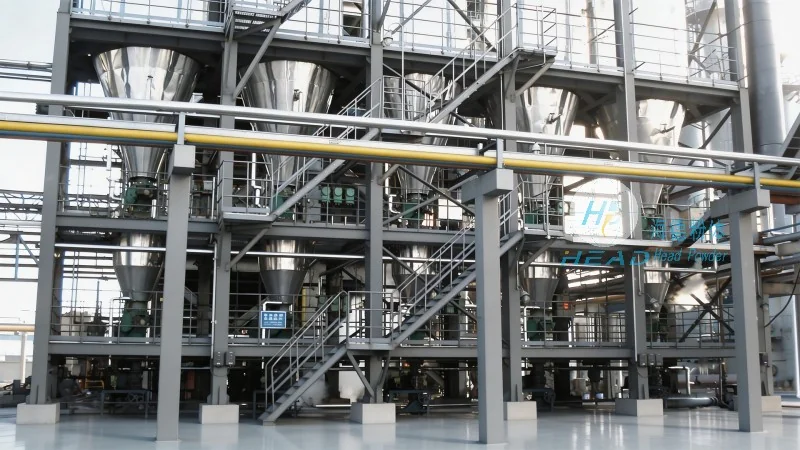
Shandong HeadPowder Engineering Co., Ltd., commonly known as HeadPowder, is a leading manufacturer specializing in the design, development, and production of advanced material handling systems. With a strong focus on innovation and customer-centric solutions, HeadPowder has established itself as a trusted partner in the ceramics and powder processing industry. The company’s facilities are located in Shandong, China, where state-of-the-art technology and rigorous quality control processes are implemented to deliver high-performance conveying solutions tailored to the specific needs of clients.
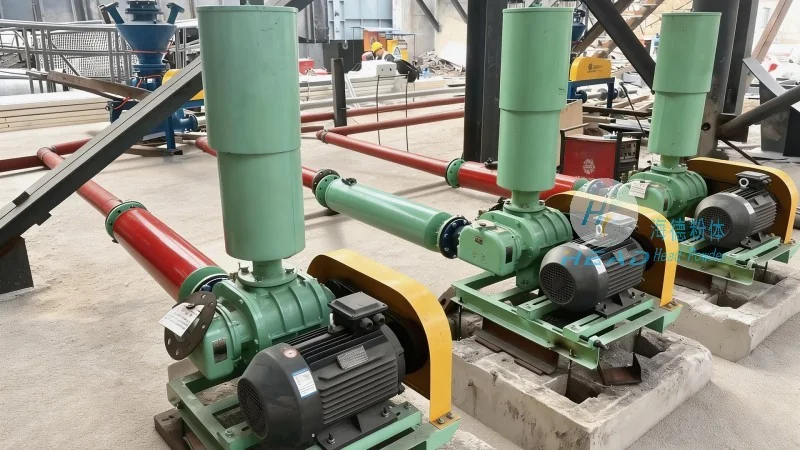
The boron nitride material conveying line typically consists of several interconnected components that work in tandem to transport the material from the source to the destination. These components include: feed hoppers, conveyor belts or screw conveyors, control systems, and discharge mechanisms. Each component plays a crucial role in maintaining the integrity of the BN material and ensuring smooth operation. The feed hopper is designed to store the raw BN material and regulate the flow rate, preventing overloading or underflow that could disrupt the conveying process. The conveyor system, whether a belt conveyor or a screw conveyor, is selected based on the material characteristics and required throughput. For boron nitride, which is often in powder or granular form, a screw conveyor is commonly used due to its ability to handle fine powders without causing excessive friction or particle degradation. The control system monitors and adjusts the speed and flow of the material, ensuring consistent delivery to downstream processes. Finally, the discharge mechanism safely releases the material into the next stage of production, such as a mixing or packaging unit.
The operation of a boron nitride material conveying line follows a systematic sequence of steps to ensure efficient and reliable material transport. The process begins with the loading of the BN material into the feed hopper. The material is then released into the conveyor system at a controlled rate, guided by the design of the hopper and the speed of the conveyor. As the material moves through the conveyor, it is continuously monitored for any blockages or irregularities. The control system adjusts the conveyor speed or flow rate as needed to maintain a steady flow. The material is then discharged into the next processing unit, where it may undergo further processing such as mixing, sintering, or packaging. Throughout the operation, the conveying line is equipped with safety features, such as emergency stop buttons and overload protection, to prevent accidents and ensure operator safety. Regular maintenance, including cleaning and lubrication of the conveyor components, is essential to prolong the lifespan of the system and maintain optimal performance.
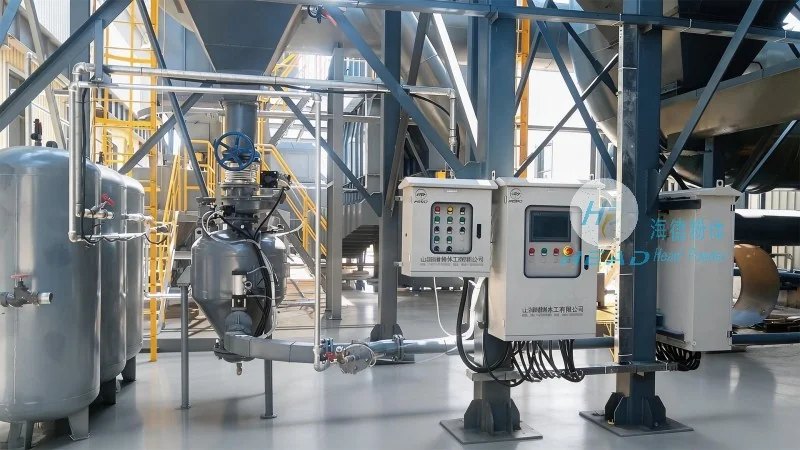
The working principle of boron nitride material conveying lines is based on mechanical force and gravity, with the conveyor system providing the necessary energy to move the material from the source to the destination. The screw conveyor, for example, operates by rotating a helical screw within a cylindrical housing. As the screw rotates, it pushes the material forward along the housing, creating a continuous flow. The speed of the screw determines the rate of material transport, and the pitch of the screw (the distance between adjacent flights) can be adjusted to control the material's movement. For boron nitride, which is a fine powder, the screw conveyor is designed with a smooth surface to minimize friction and prevent particle agglomeration. The feed hopper is typically equipped with a vibration feeder to ensure a consistent flow of material into the conveyor, eliminating the need for manual intervention. The control system uses sensors to detect the level of material in the hopper and adjusts the feeder speed accordingly, maintaining a stable flow rate. The discharge mechanism, such as a rotary valve or a gate valve, regulates the release of the material into the next stage, preventing backflow and ensuring a controlled discharge. The entire system operates in a closed loop, with feedback from sensors used to optimize the conveying process and minimize energy consumption.

 Shandong Headpowder Engineering Co., Ltd.
 156-6277-7102(Manager Zhang)
  0531-83386006
  Zhangqiu District, Jinan City, Shandong Province, China
telephone
WeChatconsult
top