With more than 10‑year industry experience, Shandong Headpowder delivers full‑service pneumatic‑conveying systems and blowers, undertaking nationwide turn‑key powder‑handling projects.
Polycarbonate pneumatic conveying is a specialized method used in material handling and processing industries to transport powders, granules, and other particulate materials through a pipeline system using air or other gases as the conveying medium. This technology offers a flexible and efficient solution for moving materials from one location to another, often in environments where traditional mechanical conveying systems may not be suitable. The use of polycarbonate components in such systems provides additional benefits, such as enhanced durability and resistance to certain chemicals, making it a preferred choice for specific applications.
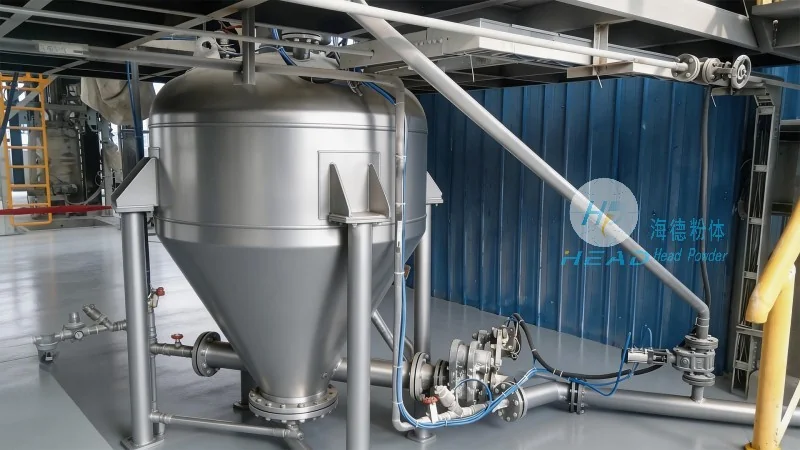
Polycarbonate pneumatic conveying systems are designed to handle a wide range of materials, including fine powders, coarse granules, and even abrasive substances. The core principle involves creating a pressure differential within the conveying line, which propels the material forward using the force of the moving air. This method is particularly advantageous in industries like pharmaceuticals, food processing, and chemical manufacturing, where maintaining product purity and preventing contamination is critical. The system typically consists of a hopper for material storage, a blower or compressor to generate the air flow, and a pipeline network that transports the material to the destination point, such as a silo, storage tank, or processing equipment.
The effectiveness of a polycarbonate pneumatic conveying system depends on several key components, each playing a crucial role in the overall operation. The hopper is the initial storage unit where the material is loaded, often equipped with a feeder to regulate the flow rate. The feeder ensures a consistent supply of material to the conveying line, preventing blockages and maintaining system efficiency. The blower or compressor is responsible for generating the necessary air pressure and flow rate, which can be adjusted based on the material characteristics and system requirements. The pipeline system, made from polycarbonate or other suitable materials, is designed to withstand the pressure and temperature conditions of the conveying process. It may include elbows, tees, and other fittings to direct the material flow and ensure smooth transport. Additionally, the system may incorporate filters and cyclones to separate the conveyed material from the air, allowing for material recovery and air purification.
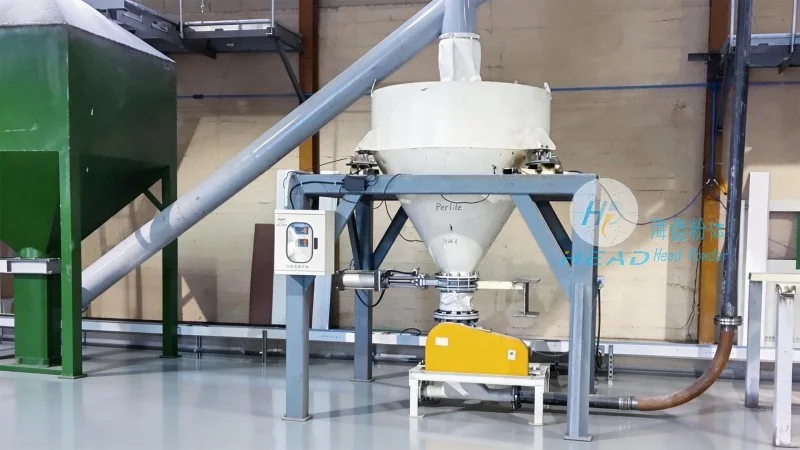
Pneumatic conveying systems can be broadly classified into two main categories based on the pressure used: positive pressure and negative pressure systems. Positive pressure systems operate by blowing air into the conveying line, creating a pressure higher than the ambient air pressure. This method is commonly used for long-distance or high-capacity conveying, as it can handle larger volumes of material and maintain consistent flow rates. Negative pressure systems, on the other hand, operate by creating a vacuum in the conveying line, drawing the material and air mixture into the system. These systems are often used for short-distance conveying or when the material needs to be transported from a higher elevation to a lower one. Within these categories, there are further subtypes, such as dilute phase and dense phase systems. Dilute phase systems use low air-to-material ratios, resulting in a more turbulent flow and higher material velocity. Dense phase systems use higher air-to-material ratios, creating a more stable and controlled flow, which is beneficial for handling delicate or sensitive materials.
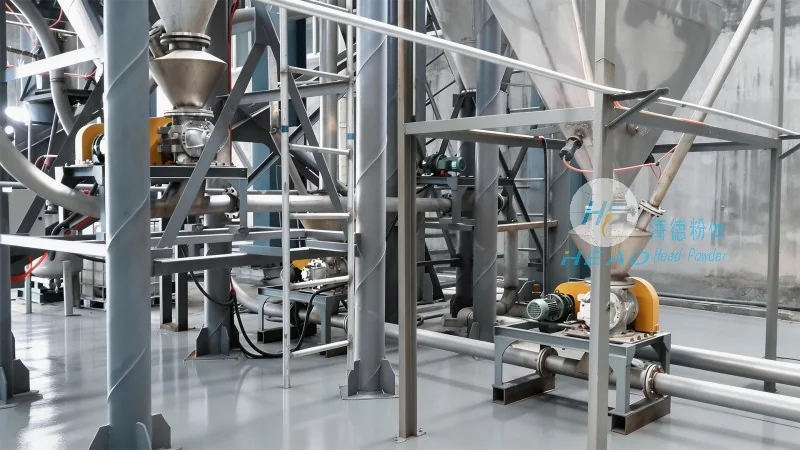
The versatility of polycarbonate pneumatic conveying makes it suitable for a wide array of applications across various industries. In the pharmaceutical industry, it is used to transport active pharmaceutical ingredients (APIs) and other fine powders, ensuring strict contamination control and maintaining product integrity. The food processing industry utilizes this technology to handle ingredients like flour, sugar, and spices, where hygiene and product purity are paramount. In the chemical manufacturing sector, polycarbonate systems are employed to convey powders and granules, including abrasive or corrosive materials, while protecting equipment and personnel from exposure. Additionally, the system is used in the agricultural industry for transporting grain and other agricultural products, as well as in the mining industry for handling ore and other bulk materials. The ability to customize the system for specific material properties and operational requirements makes polycarbonate pneumatic conveying a reliable solution for diverse industrial needs.
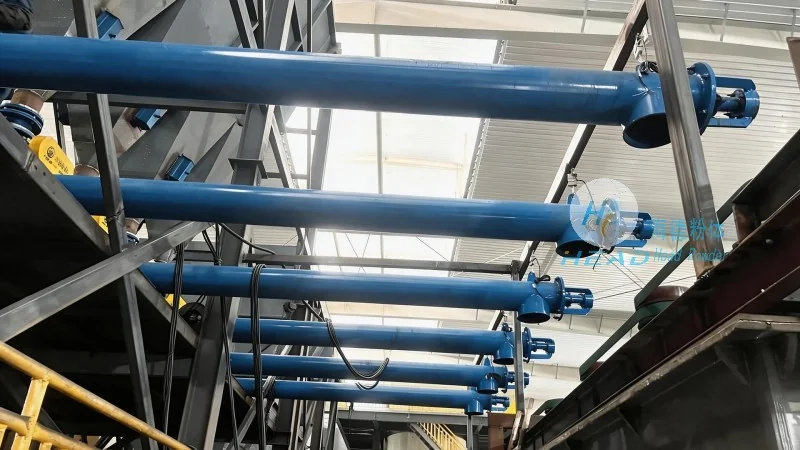
Polycarbonate pneumatic conveying offers several advantages over traditional mechanical conveying methods. One of the primary benefits is its ability to handle a wide range of materials, including those that are difficult to transport using conventional systems. The system is also highly flexible, allowing for easy integration with existing processing equipment and the ability to reconfigure the pipeline layout as needed. Another advantage is the reduced risk of material contamination, as the conveying process is enclosed and isolated from the environment. However, there are also considerations to keep in mind when implementing such a system. The cost of the equipment and installation can be higher compared to mechanical systems, and the energy consumption may be higher due to the need for air compression. Additionally, the system requires regular maintenance to ensure optimal performance, including cleaning of filters and checking for leaks in the pipeline. Proper system design and operation are crucial to maximize efficiency and minimize downtime.
Polycarbonate pneumatic conveying is a sophisticated and efficient technology that plays a vital role in modern material handling and processing. By understanding the principles, components, and applications of such systems, industries can leverage this technology to improve operational efficiency, maintain product quality, and enhance safety. As material handling requirements continue to evolve, the use of polycarbonate pneumatic conveying systems will likely remain a key solution for transporting a diverse range of materials in various industrial settings. The expertise and solutions provided by companies like Shandong HeadPowder Engineering Co., Ltd. in China further support the adoption and implementation of these advanced conveying systems, ensuring that industries can meet their material handling needs effectively and sustainably.

 Shandong Headpowder Engineering Co., Ltd.
 156-6277-7102(Manager Zhang)
  0531-83386006
  Zhangqiu District, Jinan City, Shandong Province, China
telephone
WeChatconsult
top