

Operation Process and Working Principle of Polypropylene Powder Handling Equipment
For industries dealing with polypropylene powders, efficient and reliable handling equipment is crucial to ensure smooth production processes. This article delves into the operation process and working principle of polypropylene powder handling equipment, providing insights into how such systems function and the key components involved. The information is presented by Shandong HeadPowder Engineering Co., Ltd., a leading provider in this field, based in Shandong, China.
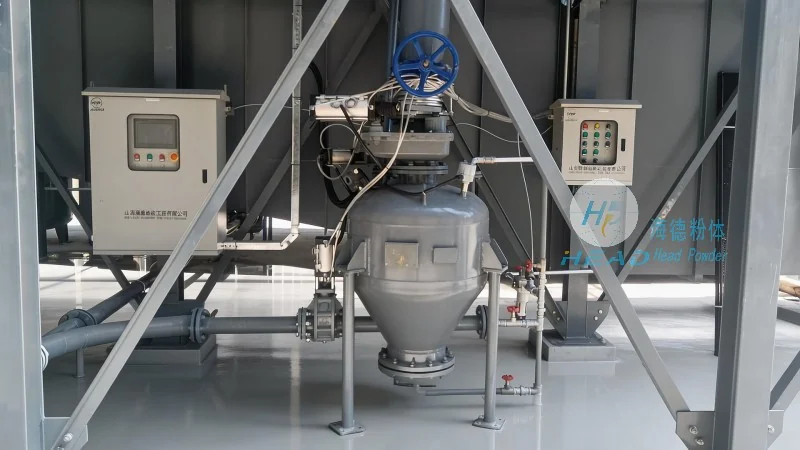
Overview of Polypropylene Powder Handling Equipment
Polypropylene powder handling equipment is designed to transport, store, and manage polypropylene powders in industrial settings. These systems are essential for applications ranging from manufacturing to storage, ensuring that powders are handled safely and efficiently. The equipment typically includes components such as hoppers, conveyors, and control systems, all working in tandem to achieve optimal performance.
Key Components and Their Functions
The operation of polypropylene powder handling equipment relies on several critical components. The hopper serves as the primary storage unit, holding the polypropylene powder before it is transported. The conveyor system, which may include screw conveyors, pneumatic conveyors, or other types, moves the powder from the hopper to the next stage of processing. Control systems, often equipped with sensors and automation features, monitor the flow and ensure that the equipment operates within safe parameters.

Operation Process: Step-by-Step
The operation process of polypropylene powder handling equipment can be broken down into several key steps. First, the polypropylene powder is loaded into the hopper. The control system then activates the conveyor, which begins to transport the powder. As the powder moves through the system, it may be filtered or conditioned to remove impurities or moisture. Finally, the powder is discharged into the next processing unit or storage container. Each step is carefully controlled to maintain the quality and consistency of the polypropylene powder.
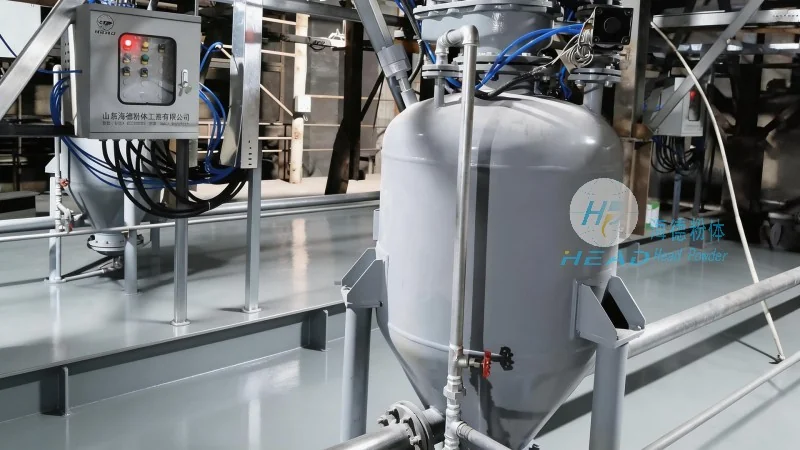
Working Principle: How It Works
The working principle of polypropylene powder handling equipment is based on the principles of material flow and mechanical movement. The hopper provides a stable base for the powder, while the conveyor system uses mechanical or pneumatic forces to move the powder. Control systems ensure that the flow rate and pressure are maintained at optimal levels, preventing issues such as clogging or overloading. The entire system is designed to handle the unique properties of polypropylene powder, such as its density and flow characteristics, to ensure efficient and safe operation.
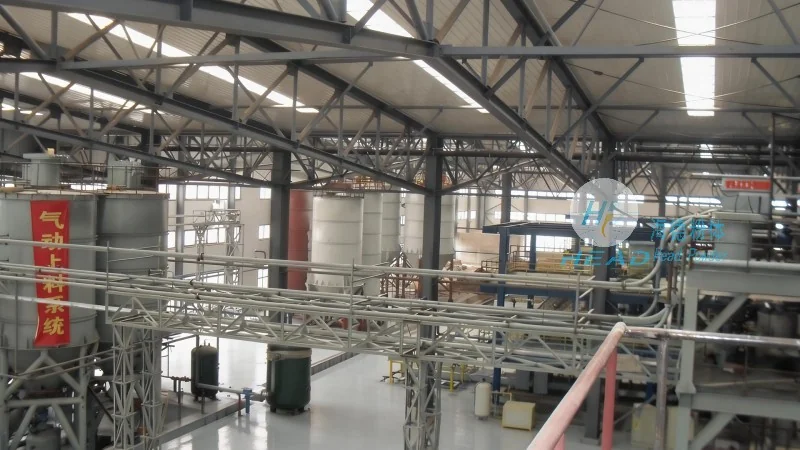
Benefits and Applications
Efficient polypropylene powder handling equipment offers numerous benefits for industrial operations. These include improved safety by reducing manual handling, increased productivity through automated processes, and enhanced product quality by maintaining consistent powder characteristics. The equipment is widely used in various industries, including plastics manufacturing, chemical processing, and food processing, where polypropylene powders are a key component.
Conclusion
In conclusion, polypropylene powder handling equipment is a vital component in modern industrial operations. By understanding the operation process and working principle, users can better appreciate the importance of these systems in ensuring efficient and safe handling of polypropylene powders. Shandong HeadPowder Engineering Co., Ltd. continues to innovate in this field, providing high-quality equipment that meets the needs of various industries.