With more than 10‑year industry experience, Shandong Headpowder delivers full‑service pneumatic‑conveying systems and blowers, undertaking nationwide turn‑key powder‑handling projects.
Efficient and reliable transport of desulfurization and dust removal ash is a critical aspect of modern industrial processes, particularly in power generation and environmental protection sectors. The traditional methods of ash handling, such as belt conveyors or bucket elevators, often face challenges related to material handling, dust control, and operational safety. In response to these challenges, pneumatic conveying technology has emerged as a highly effective solution for transporting these fine and abrasive materials. This article explores the role of pneumatic conveying in the efficient and safe transport of desulfurization and dust removal ash, highlighting its advantages, applications, and the technical considerations involved.
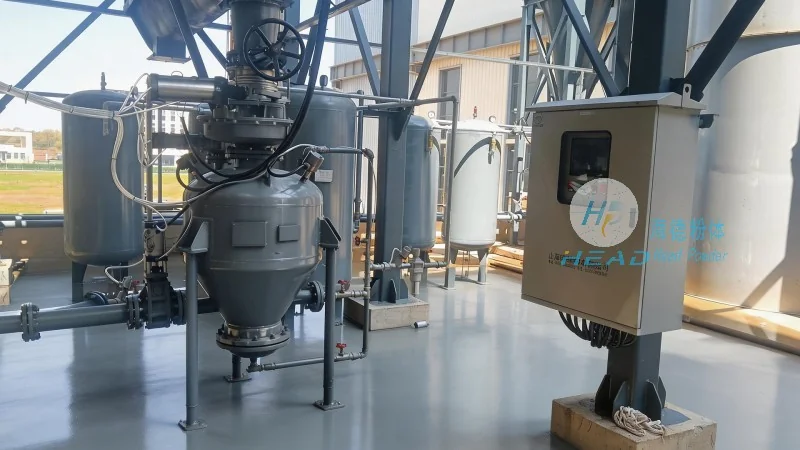
Pneumatic conveying systems utilize compressed air or gas to transport bulk materials through a pipeline network. These systems are classified into two main categories: dilute phase and dense phase. Dilute phase systems, which are commonly used for transporting fine powders like desulfurization ash, operate at relatively low pressure and high velocity, allowing the material to be suspended in the air stream. Dense phase systems, on the other hand, operate at higher pressure and lower velocity, ensuring a more controlled and gentle transport of the material. The choice between these systems depends on the characteristics of the ash, such as particle size, moisture content, and abrasiveness, as well as the distance and layout of the transport route.
Compared to conventional mechanical conveying methods, pneumatic conveying offers several distinct advantages in the context of desulfurization ash transport. One of the primary benefits is the ability to handle fine and abrasive materials without the risk of blockages or wear and tear on equipment. The enclosed pipeline system also provides excellent dust control, preventing the release of harmful particles into the environment and ensuring compliance with environmental regulations. Additionally, pneumatic conveying systems are highly flexible, allowing for changes in the transport route without the need for extensive infrastructure modifications. This flexibility is particularly valuable in industrial settings where space is limited or where the ash needs to be transported to multiple destinations.
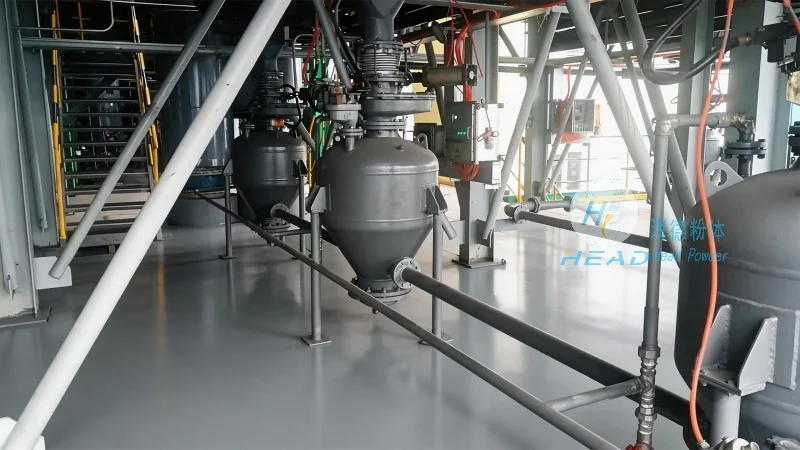
The successful implementation of pneumatic conveying systems for desulfurization ash transport requires careful consideration of several technical factors. First, the selection of the appropriate conveying medium, such as air or nitrogen, is crucial. Air is commonly used due to its availability and low cost, but nitrogen may be preferred in applications where the ash is sensitive to moisture or where explosion-proof measures are necessary. Second, the design of the pipeline system, including the diameter, length, and layout, must be optimized to ensure efficient material transport and minimize pressure drop. The use of appropriate fittings, such as bends, elbows, and expansion joints, is essential to maintain the flow of the material and prevent blockages. Third, the selection of the conveying equipment, including the blower or compressor, must be matched to the system requirements to ensure sufficient pressure and airflow. The capacity and efficiency of the equipment directly impact the overall performance and cost-effectiveness of the system.
Pneumatic conveying systems are widely used in various applications related to desulfurization and dust removal. In power plants, these systems are employed to transport fly ash from the desulfurization unit to the storage silos or to the ash disposal sites. The ability to handle large volumes of ash at high speeds makes pneumatic conveying an ideal solution for meeting the demanding requirements of power generation facilities. In industrial processes, such as cement production or chemical manufacturing, pneumatic conveying is used to transport ash from dust removal systems to the processing units or to the waste management facilities. The versatility of pneumatic conveying systems allows them to be adapted to a wide range of applications, making them a preferred choice for many industries.
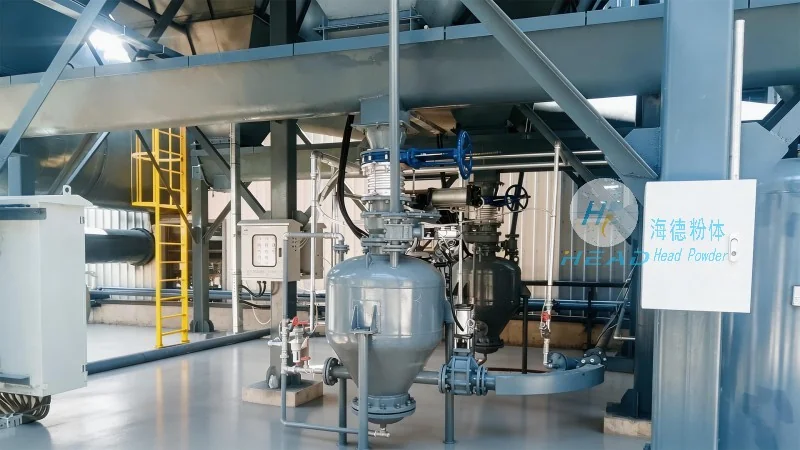
Shandong HeadPowder Engineering Co., Ltd., a leading provider of bulk material handling solutions, recently implemented a pneumatic conveying system for a thermal power plant in China. The plant required an efficient and reliable method to transport desulfurization ash from the flue gas desulfurization (FGD) unit to the ash storage silos. The existing mechanical conveying system was experiencing frequent blockages and high maintenance costs, leading to operational inefficiencies. HeadPowder Engineering designed and installed a dilute phase pneumatic conveying system that utilized a high-pressure blower to transport the ash through a 500-meter pipeline network. The system was equipped with advanced control systems to monitor the pressure, flow rate, and temperature of the ash, ensuring optimal performance. The implementation of the pneumatic conveying system resulted in a significant reduction in maintenance costs, improved operational efficiency, and enhanced environmental compliance. The success of this project highlights the effectiveness of pneumatic conveying in addressing the challenges of desulfurization ash transport.
In conclusion, pneumatic conveying plays a vital role in the efficient and safe transport of desulfurization and dust removal ash. The technology offers numerous advantages over conventional mechanical conveying methods, including improved material handling, enhanced dust control, and increased flexibility. The successful implementation of pneumatic conveying systems requires careful consideration of technical factors, such as the conveying medium, pipeline design, and equipment selection. As industrial processes continue to evolve and environmental regulations become more stringent, the demand for efficient ash transport solutions is expected to grow. Shandong HeadPowder Engineering Co., Ltd. remains committed to providing innovative and reliable pneumatic conveying solutions to meet the evolving needs of the industry, ensuring sustainable and environmentally friendly operations.

 Shandong Headpowder Engineering Co., Ltd.
 156-6277-7102(Manager Zhang)
  0531-83386006
  Zhangqiu District, Jinan City, Shandong Province, China
telephone
WeChatconsult
top