

Operation Process and Working Principle of Calcium Hydroxide Powder Conveying Equipment
Calcium hydroxide, commonly known as slaked lime, is a widely used chemical in various industrial applications, including construction, water treatment, and chemical manufacturing. The efficient and reliable transport of calcium hydroxide powder is crucial for maintaining production efficiency and ensuring product quality. This article provides a detailed overview of the operation process and working principle of specialized equipment designed for handling this particular powder, with a focus on the technical aspects and operational considerations, as offered by Shandong HeadPowder Engineering Co., Ltd., a leading manufacturer in the field.
Key Components and Structure of the Conveying Equipment
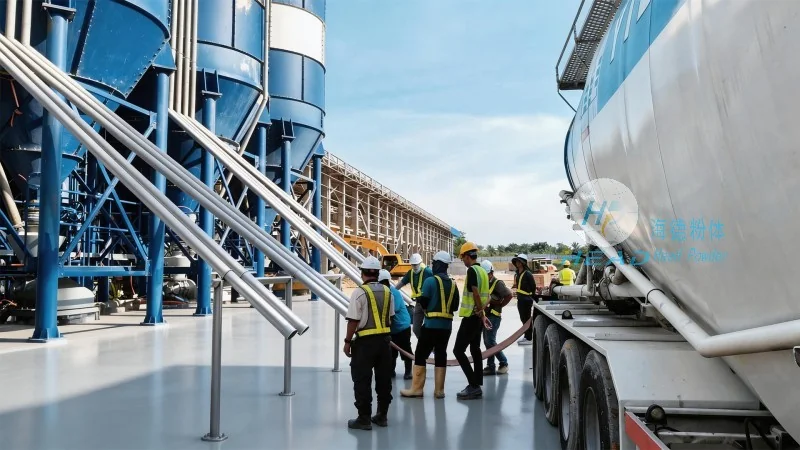
The calcium hydroxide powder conveying equipment typically consists of several key components that work in tandem to ensure smooth and safe material transport. These components include a hopper for material storage, a feeding mechanism to control the flow rate, a conveyor system (such as a screw conveyor or pneumatic conveyor) for moving the powder, and a control panel for monitoring and adjusting the operation. The design of the equipment is tailored to handle the specific properties of calcium hydroxide powder, which may include its fine particle size, hygroscopic nature, and potential for dust generation.
Operation Process: Step-by-Step Workflow
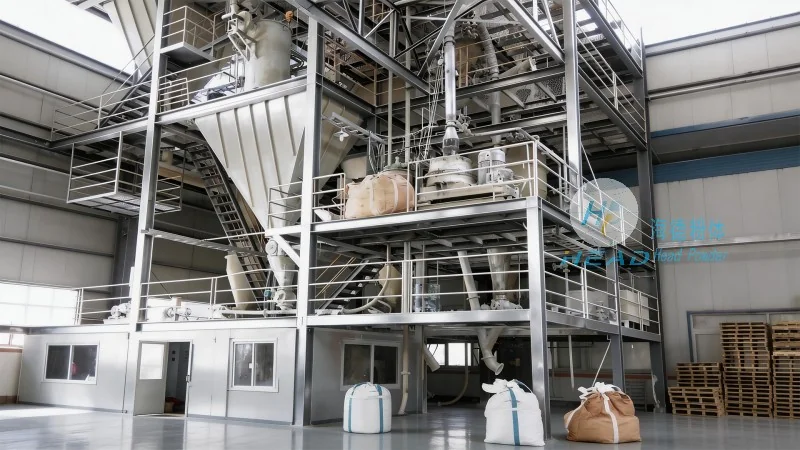
The operation of the calcium hydroxide powder conveying equipment follows a systematic workflow to ensure consistent and efficient material handling. The process begins with the loading of the powder into the hopper, where it is stored until needed. The feeding mechanism then regulates the flow of powder from the hopper into the conveyor system. The conveyor transports the powder to the desired destination, such as a storage silo, processing unit, or packaging area. Throughout the process, the control panel allows operators to monitor parameters like flow rate, pressure, and temperature, ensuring that the equipment operates within safe and optimal conditions. The system is designed to minimize material loss, prevent clogging, and maintain a consistent flow rate, which is critical for maintaining product quality and preventing equipment damage.
Working Principle: How the Equipment Transfers Powder
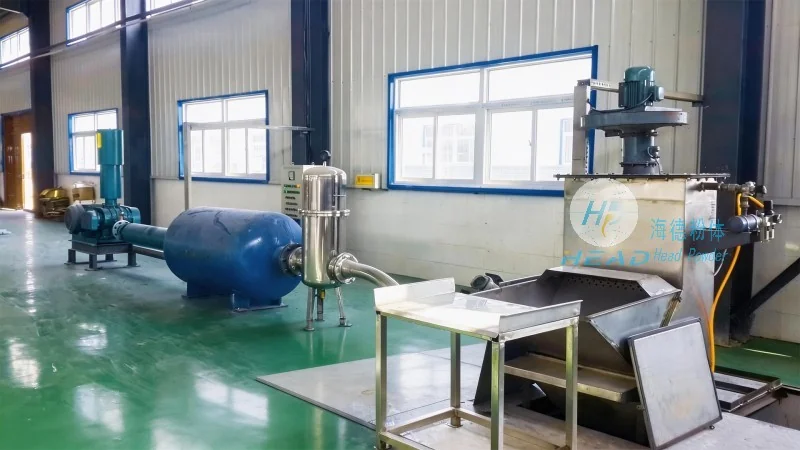
The working principle of the calcium hydroxide powder conveying equipment varies depending on the type of conveyor used, but the core concept remains the same: to move the powder from one location to another using mechanical or pneumatic forces. For mechanical conveyors like screw conveyors, the equipment uses rotating screws to push the powder forward through a tube or trough. The screw's rotation creates a continuous flow, ensuring that the powder moves without segregation or bridging. Pneumatic conveyors, on the other hand, use compressed air to create a flow of air that carries the powder particles through a pipeline. This method is particularly effective for handling fine powders and can cover longer distances with less maintenance. Both systems are equipped with features such as airlocks and filters to prevent dust leakage and ensure a clean operation environment.
Operational Considerations and Maintenance
Proper operation and regular maintenance are essential for the longevity and efficiency of calcium hydroxide powder conveying equipment. Operators should follow the manufacturer's guidelines for start-up, shutdown, and emergency procedures to prevent equipment damage or accidents. Regular inspection of components like the hopper, conveyor screws, and air filters is necessary to identify and address potential issues before they escalate. Cleaning the equipment after each use is also important to prevent the buildup of calcium hydroxide residue, which can affect the performance of the conveyor and lead to clogging. Additionally, monitoring the powder's moisture content and particle size distribution can help optimize the conveying process and ensure consistent product quality.
Conclusion: Enhancing Production Efficiency with Specialized Equipment
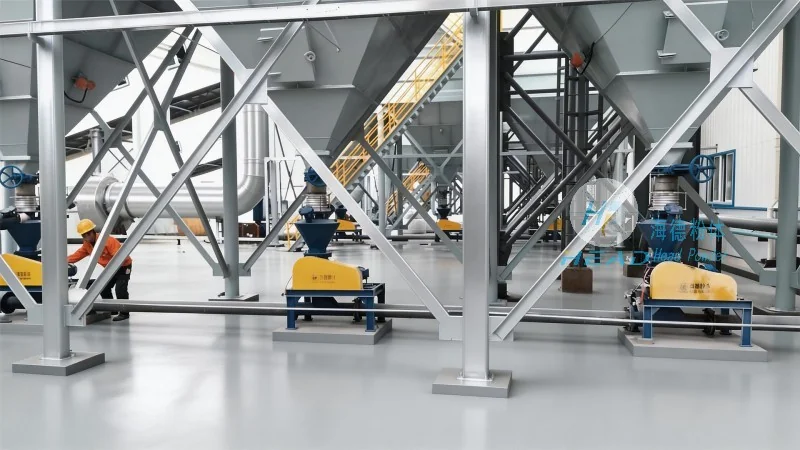
Calcium hydroxide powder conveying equipment plays a vital role in modern industrial processes by providing a reliable and efficient means of transporting this essential chemical. By understanding the operation process and working principle of such equipment, businesses can optimize their material handling operations, reduce downtime, and improve overall productivity. The specialized design of these systems, tailored to the unique properties of calcium hydroxide powder, ensures that they can handle the challenges associated with fine, hygroscopic powders, making them an indispensable tool in various industries. As demand for calcium hydroxide continues to grow, the importance of investing in high-quality conveying equipment cannot be overstated, as it directly impacts the efficiency and profitability of industrial operations.