With more than 10‑year industry experience, Shandong Headpowder delivers full‑service pneumatic‑conveying systems and blowers, undertaking nationwide turn‑key powder‑handling projects.
HeadPowder, a leading enterprise in the field of powder material handling technology, specializes in the design, manufacturing, and supply of advanced weighing feeder systems. These systems are crucial for industries that require precise and reliable control of bulk materials, such as chemicals, food, pharmaceuticals, and minerals. The company, headquartered in Shandong, China, has established itself as a trusted partner for businesses seeking efficient and accurate material handling solutions.
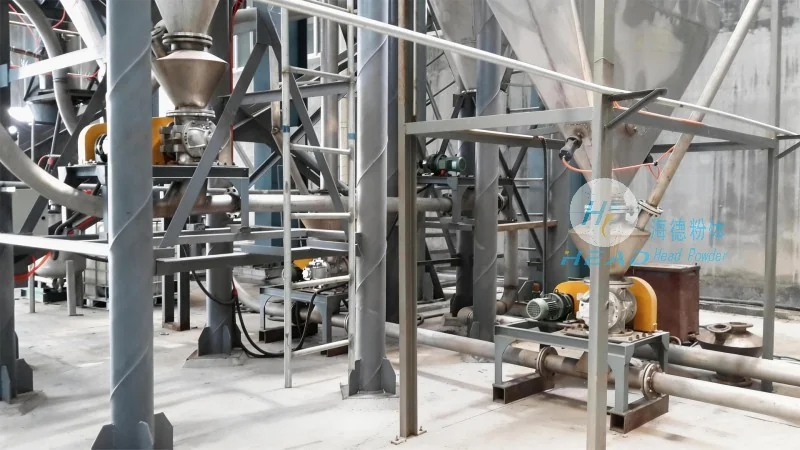
The weighing feeder system is a sophisticated piece of equipment designed to measure and control the flow rate of powders and granules. At its core, the system integrates precision weighing technology with automated feeding mechanisms to ensure consistent and uniform material delivery. This integration is vital for processes where even minor variations in material flow can impact product quality, production efficiency, or safety.
The operation of a weighing feeder system involves several key components that work in tandem to achieve accurate material handling. The primary components include a load cell or scale, a feeder (such as a screw or belt feeder), a control unit, and a motor. The load cell is responsible for measuring the weight of the material on the feeder, providing real-time data to the control unit. The control unit processes this data and adjusts the feeder speed or motor operation to maintain the desired flow rate. The motor drives the feeder, while the control unit ensures that the system operates within set parameters, preventing overflows or underflows.
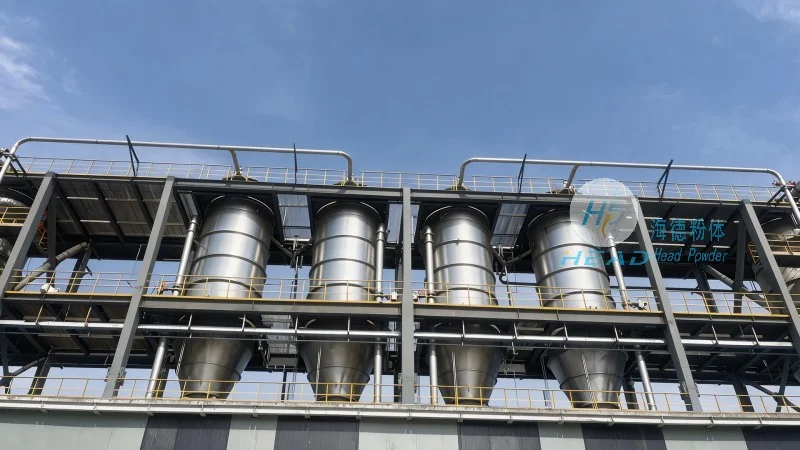
The operation process of a weighing feeder system typically follows a series of steps to ensure precise material delivery. First, the system is calibrated to account for the specific characteristics of the material being handled, such as its density and flowability. This calibration ensures that the load cell accurately measures the weight of the material. Next, the system is set to the desired target flow rate, which is the amount of material to be delivered per unit of time. The control unit then monitors the actual flow rate and compares it to the target rate. If there is a deviation, the control unit adjusts the feeder speed accordingly. For example, if the actual weight is less than the target, the feeder speed increases to increase the flow rate. Conversely, if the actual weight exceeds the target, the feeder speed decreases to reduce the flow rate. This closed-loop control system ensures that the material is delivered at a consistent and accurate rate, minimizing variations and optimizing process performance.
The working principle of a weighing feeder system is based on the principle of mass flow measurement. The system uses a load cell to measure the mass of the material on the feeder. The load cell converts the force exerted by the material into an electrical signal, which is then processed by the control unit. The control unit calculates the flow rate based on the change in mass over time. This principle allows for precise control of the material flow, as the system can detect even small changes in the material's weight and adjust the feeder speed in real-time. The system also incorporates safety features, such as overload protection and material jam detection, to prevent equipment damage and ensure safe operation.
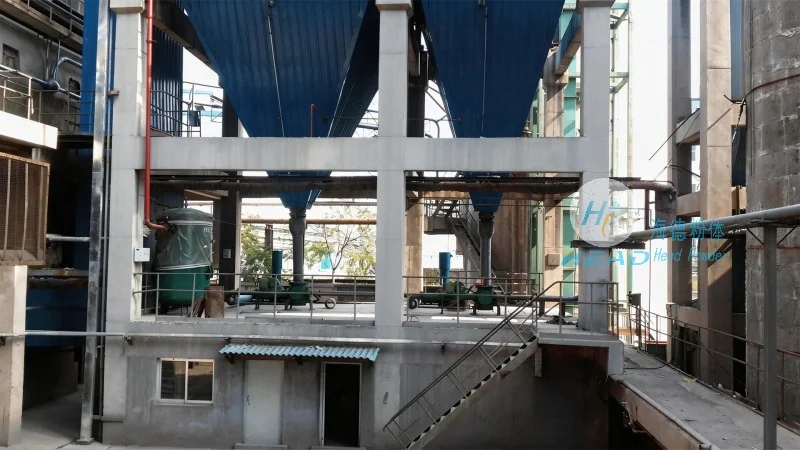
Weighing feeder systems are widely used in various industries due to their ability to handle a wide range of materials and provide precise control. In the chemical industry, these systems are used to feed raw materials into reactors, ensuring consistent reaction rates. In the food and pharmaceutical industries, they are used to deliver ingredients with high accuracy, meeting stringent quality standards. The benefits of using weighing feeder systems include improved product quality, increased production efficiency, reduced material waste, and enhanced safety. By maintaining a consistent flow rate, these systems help to minimize variations in product properties, reduce downtime due to material blockages, and ensure that the material is handled in a safe and controlled manner.
HeadPowder Engineering Co., Ltd., with its headquarters in Shandong, China, is dedicated to providing high-quality weighing feeder systems and comprehensive material handling solutions. The company leverages advanced technology and rigorous quality control processes to ensure that its products meet the highest industry standards. HeadPowder's team of experts provides technical support and customization services to meet the specific needs of each client, ensuring that the weighing feeder system is optimized for the application. The company's commitment to innovation and customer satisfaction has made it a leading provider of powder material handling solutions in the region and beyond.

 Shandong Headpowder Engineering Co., Ltd.
 156-6277-7102(Manager Zhang)
  0531-83386006
  Zhangqiu District, Jinan City, Shandong Province, China
telephone
WeChatconsult
top