With more than 10‑year industry experience, Shandong Headpowder delivers full‑service pneumatic‑conveying systems and blowers, undertaking nationwide turn‑key powder‑handling projects.
Mineral sand powder conveying systems are critical components in industrial operations, particularly in the mining and processing sectors. These systems are designed to efficiently transport fine mineral powders over long distances, ensuring consistent material flow and minimizing operational disruptions. The design and functionality of such systems are tailored to handle the unique characteristics of mineral sands, including their abrasive nature, varying particle sizes, and potential moisture content. Understanding the operation process and working principles of these systems is essential for optimizing performance, enhancing safety, and maintaining productivity in industrial settings.
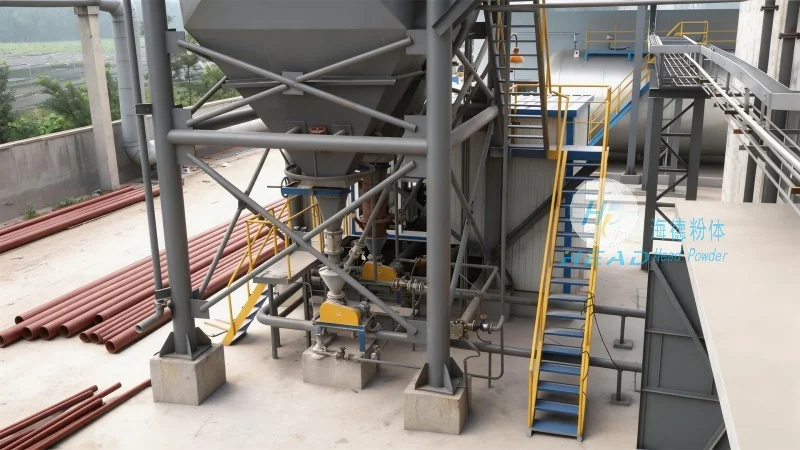
The core components of a mineral sand powder conveying system typically include a feed hopper, a conveyor mechanism (such as a screw conveyor, pneumatic conveyor, or belt conveyor), a control system, and a discharge unit. The feed hopper is responsible for storing and regulating the flow of mineral sand powder into the system. It often features adjustable gates or valves to control the rate of material input, preventing overloading or underloading of the conveyor. The conveyor mechanism is the heart of the system, responsible for transporting the powder from the feed point to the discharge point. Different types of conveyors are selected based on the specific characteristics of the mineral sand, such as particle size distribution, moisture content, and the required conveying distance. For example, screw conveyors are commonly used for horizontal or slightly inclined transport, while pneumatic conveyors are ideal for vertical or long-distance transport due to their ability to handle fine powders without clogging.
The operation process of a mineral sand powder conveying system begins with the loading of mineral sand powder into the feed hopper. The feed hopper is designed to hold a sufficient quantity of material to maintain a steady flow to the conveyor. As the material is fed into the conveyor, the mechanism (e.g., rotating screws, air pressure in pneumatic systems) starts to move the powder along the designated path. The speed of the conveyor is controlled by the system's control unit, which adjusts based on real-time parameters such as material level, pressure, or flow rate. This control ensures that the conveying process is efficient and avoids issues like blockages or excessive wear on the conveyor components. The material is then transported to the discharge point, where it is collected in a storage bin or directly fed into the next processing stage. Throughout the operation, the system continuously monitors key parameters, such as temperature, pressure, and flow rate, to detect any anomalies and trigger appropriate responses, such as adjusting the feed rate or activating alarms.
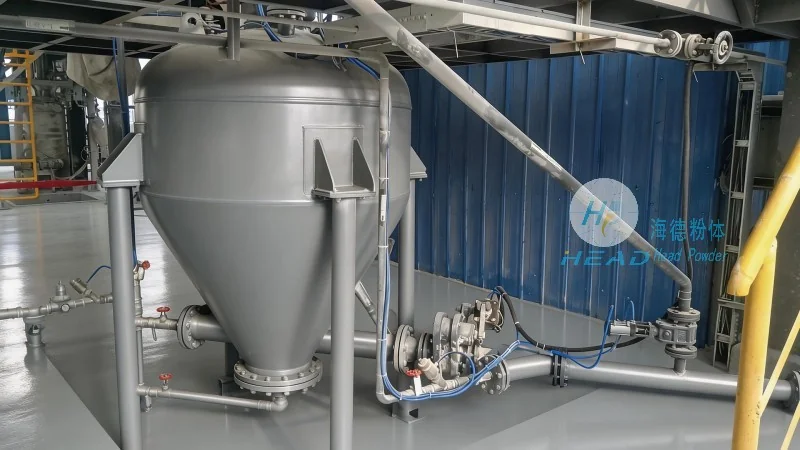
The working principle of mineral sand powder conveying systems varies depending on the type of conveyor used. For screw conveyors, the mechanism operates by rotating a helical screw within a trough. As the screw rotates, it pushes the mineral sand powder forward along the trough. The pitch and diameter of the screw are carefully selected to match the particle size and flow characteristics of the material. The screw conveyor is particularly effective for handling dry, free-flowing powders and can operate at various angles, making it versatile for different layouts. For pneumatic conveyors, the system uses compressed air to transport the powder through a pipeline. The mineral sand powder is introduced into the air stream at the feed point, and the air pressure propels the powder along the pipeline to the discharge point. The air velocity is controlled to ensure that the powder particles are fully suspended and transported without settling or clogging the pipeline. This method is especially suitable for fine powders that are difficult to handle with mechanical conveyors due to their tendency to stick to surfaces or form clumps.
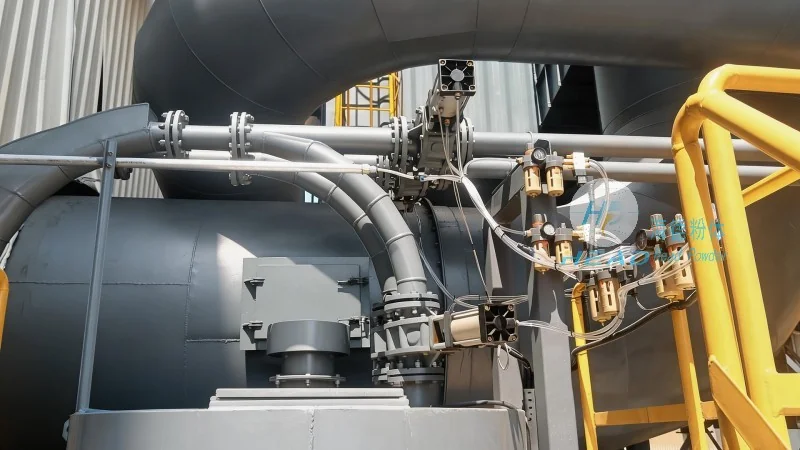
Mineral sand powder conveying systems offer several advantages in industrial applications. They provide a continuous and reliable method of transporting fine powders, reducing the need for manual handling and associated safety risks. The systems are also designed to minimize material loss and contamination, which is crucial in processes where purity is a key factor. Additionally, modern conveying systems are equipped with advanced control technologies that enhance operational efficiency and reduce downtime. These systems are widely used in the mining industry for transporting ore powders from processing plants to storage facilities or for transporting sand from mining sites to processing units. In the construction industry, they are used to transport sand and other fine aggregates for concrete production. The versatility of these systems makes them suitable for a wide range of applications, from small-scale operations to large industrial plants.
Shandong HeadPowder Engineering Co., Ltd., operating under the brand name headpowder, is a leading manufacturer and supplier of mineral sand powder conveying systems. The company specializes in designing and manufacturing customized conveying solutions tailored to the specific needs of its clients. With a strong focus on quality and innovation, headpowder has established itself as a trusted partner in the industry, providing reliable and efficient systems that meet the highest standards of performance and safety. The company's headquarters is located in Shandong, China, where it has a state-of-the-art manufacturing facility equipped with advanced technology and skilled personnel. headpowder's team of engineers and technicians work closely with clients to understand their operational requirements and develop solutions that optimize material flow, reduce costs, and enhance overall productivity. The company's commitment to customer satisfaction and technological advancement has made it a preferred choice for businesses in the mining, construction, and related industries.

 Shandong Headpowder Engineering Co., Ltd.
 156-6277-7102(Manager Zhang)
  0531-83386006
  Zhangqiu District, Jinan City, Shandong Province, China
telephone
WeChatconsult
top