With more than 10‑year industry experience, Shandong Headpowder delivers full‑service pneumatic‑conveying systems and blowers, undertaking nationwide turn‑key powder‑handling projects.
Oat powder, a versatile ingredient in the food and pharmaceutical industries, requires efficient and reliable handling systems to ensure quality and safety throughout the production process. The oat powder conveying system equipment plays a crucial role in transporting these fine powders from storage to processing units, and understanding its design principles is essential for optimizing operational efficiency and maintaining product integrity.
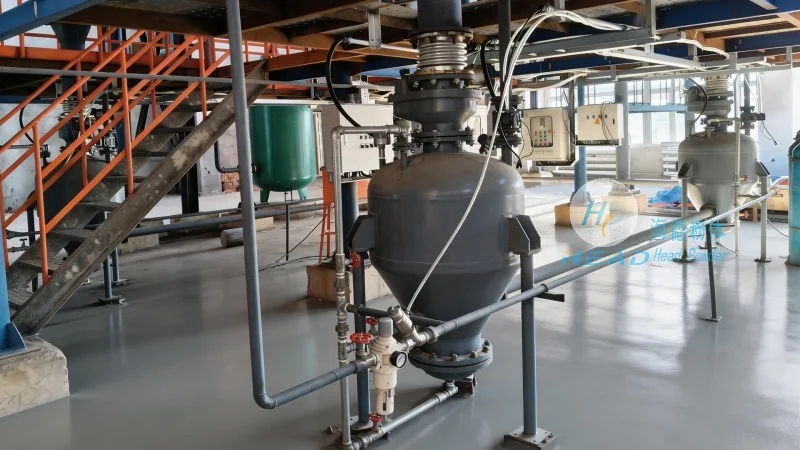
HeadPowder, a leading manufacturer based in Shandong, China, specializes in providing advanced conveying solutions tailored to the unique characteristics of oat powder. The company’s expertise lies in designing systems that address the challenges of handling fine, cohesive powders, such as the potential for caking, bridging, and dust generation. A typical oat powder conveying system consists of several key components, including hoppers, feeders, conveyors, and control systems, all integrated to ensure smooth and continuous material flow.
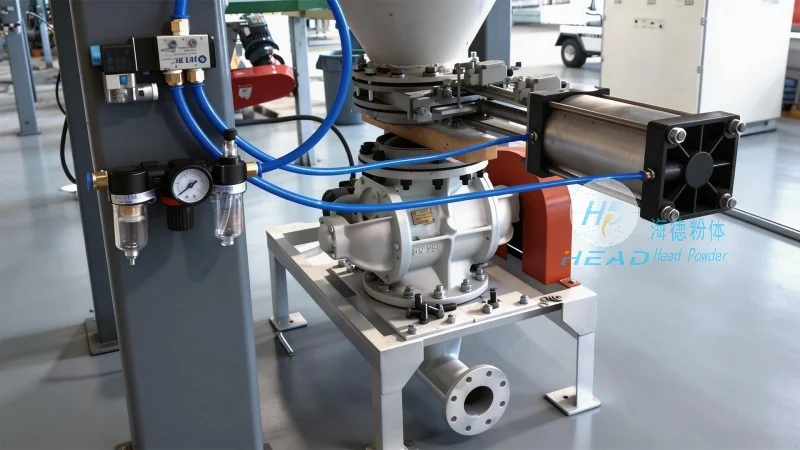
The hopper is the primary storage vessel for oat powder, designed to accommodate bulk quantities while minimizing material degradation. It often features a conical or cylindrical shape with a smooth interior to prevent powder accumulation and ensure uniform discharge. The feeder, positioned at the bottom of the hopper, regulates the flow rate of the powder into the conveyor system. For oat powder, which can be prone to bridging, a rotary valve or a vibratory feeder is commonly used to maintain consistent material flow and prevent blockages.
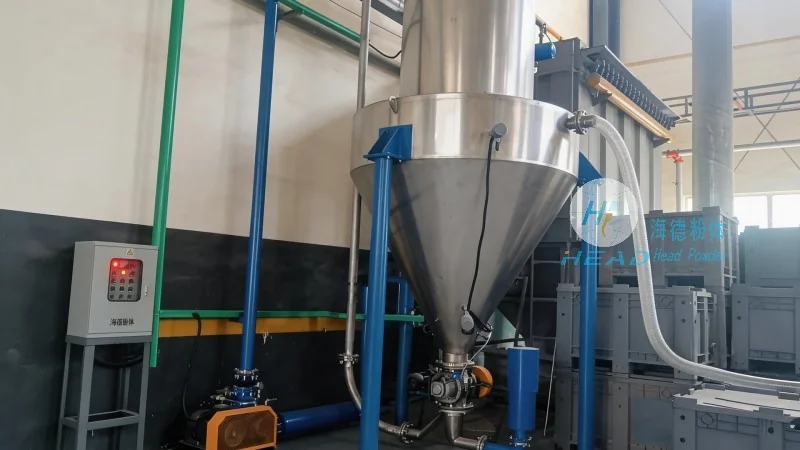
The conveyor itself is the core of the system, responsible for transporting the powder from the hopper to the processing unit. In the case of oat powder, pneumatic (air-assisted) conveying is frequently preferred due to its ability to handle fine powders without the need for mechanical contact. This method uses compressed air to create a flow of air and powder, moving the material through pipes or ducts. Alternatively, mechanical conveyors like screw or belt conveyors may be used for shorter distances or when the powder is less fine. The choice of conveyor type depends on factors such as the powder's moisture content, particle size, and the required conveying distance.
Effective design of an oat powder conveying system hinges on several key principles aimed at maximizing efficiency, minimizing product loss, and ensuring safety. First, the system must be designed to handle the specific physical properties of oat powder, including its particle size distribution, bulk density, and flowability. This involves selecting appropriate hopper and feeder designs to prevent bridging and ensure consistent flow. Second, the system must incorporate proper dust control measures, as fine powders like oat powder can generate significant dust during handling, which poses health and safety risks. This is typically achieved through the use of sealed systems, dust collection hoods, and filtration systems.
Third, the design must prioritize energy efficiency and operational reliability. This includes selecting components that minimize energy consumption, such as efficient air compressors for pneumatic systems, and ensuring that all parts are constructed from materials resistant to corrosion and wear, which is critical for long-term performance. Additionally, the system should include monitoring and control features, such as flow meters and pressure sensors, to allow for real-time adjustments and prevent system failures.
Oat powder conveying systems are widely used in various industries, including food processing, where they are essential for transporting oat flour to baking and extrusion lines. In the pharmaceutical industry, these systems are used to handle oat-based powders for nutraceutical products, ensuring that the final product meets strict quality standards. The benefits of using an efficient conveying system include improved product quality through reduced contamination and degradation, increased production throughput due to consistent material flow, and lower operational costs through energy savings and reduced maintenance.
Understanding the design principles of oat powder conveying systems is crucial for businesses operating in the food and pharmaceutical sectors. By leveraging advanced technology and expert engineering, companies like Shandong HeadPowder Engineering Co., Ltd. provide customized solutions that address the unique challenges of handling oat powder. These systems not only enhance operational efficiency but also contribute to product safety and quality, making them an indispensable part of modern manufacturing processes.

 Shandong Headpowder Engineering Co., Ltd.
 156-6277-7102(Manager Zhang)
  0531-83386006
  Zhangqiu District, Jinan City, Shandong Province, China
telephone
WeChatconsult
top