

What is an Automatic Powder Feeding and Conveying System? What Are Its Design Principles?
For industries that rely on precise and efficient handling of bulk powders, the automatic powder feeding and conveying system has become an indispensable component of modern production lines. This equipment is designed to automate the process of measuring, mixing, and transporting various powder materials, ensuring consistency, accuracy, and safety in operations. In this article, we will explore the core components, operational mechanisms, and design principles behind such systems, while highlighting the expertise of Shandong HeadPowder Engineering Co., Ltd., a leading manufacturer in this field.
Introduction to Automatic Powder Feeding and Conveying Systems
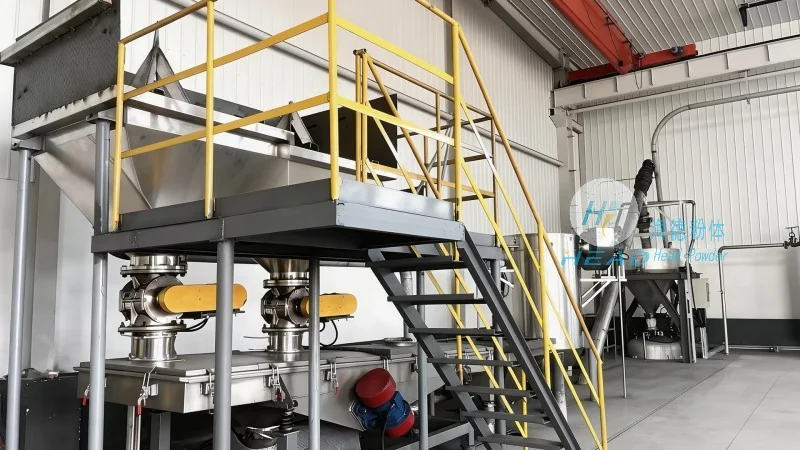
An automatic powder feeding and conveying system is a sophisticated piece of industrial equipment engineered to handle the challenges of bulk powder handling. These systems are commonly used in sectors like pharmaceuticals, food processing, chemical manufacturing, and more, where the uniformity and purity of powders are critical. The primary functions of such systems include precise dosing, mixing of multiple powders, and reliable transportation of the blended material to the next stage of production. By automating these processes, businesses can achieve higher productivity, reduce human error, and enhance overall operational efficiency.
Key Components of the System
The effectiveness of an automatic powder feeding and conveying system is largely determined by its integrated components, each playing a crucial role in the overall operation. The main components typically include:
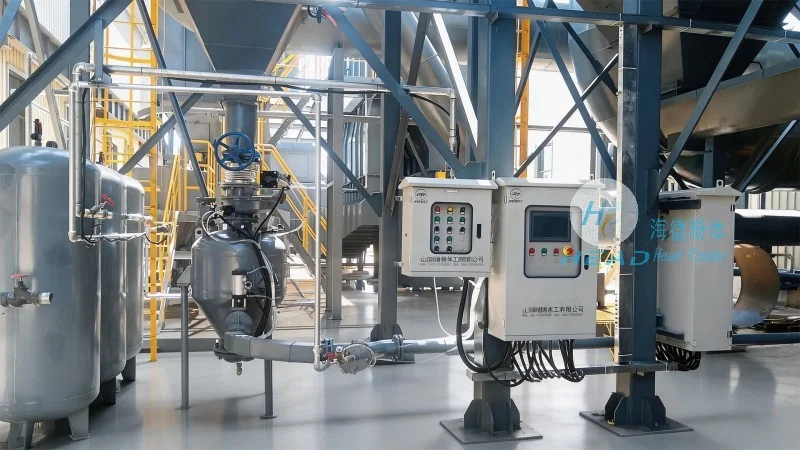
- Pneumatic or Electric Feeders: These devices are responsible for accurately measuring and dispensing the required amount of powder. They can be categorized into various types, such as volumetric feeders, gravimetric feeders, and loss-in-weight feeders, each offering different levels of precision and control.
- Mixing Hoppers or Blenders: After the powders are fed into the system, they are transferred to a mixing chamber where they are combined to achieve the desired composition. The design of the blender, whether it's a ribbon blender, planetary mixer, or other types, affects the uniformity of the final mixture.
- Conveying Equipment: Once mixed, the powder is transported to the processing or packaging area. Conveyors like screw conveyors, pneumatic conveyors, or belt conveyors are used, depending on the material characteristics and the required distance of transport.
- Control Systems: Modern systems are equipped with advanced control panels and software that monitor and regulate the entire process. These systems allow for real-time adjustments, data logging, and integration with other production equipment.
Design Principles and Operational Mechanisms
The design of an automatic powder feeding and conveying system is guided by several key principles aimed at optimizing performance and reliability. One of the fundamental principles is the need for precise measurement and control to ensure consistent product quality. This is achieved through the use of high-precision feeders and sensors that can detect variations in powder flow and adjust accordingly.
Another critical principle is the prevention of contamination and cross-contamination, especially in industries like pharmaceuticals and food. The system's design incorporates features such as sealed hoppers, air filtration systems, and material-specific components to maintain the purity of the powders. Additionally, the system is engineered for easy cleaning and maintenance to meet regulatory standards.
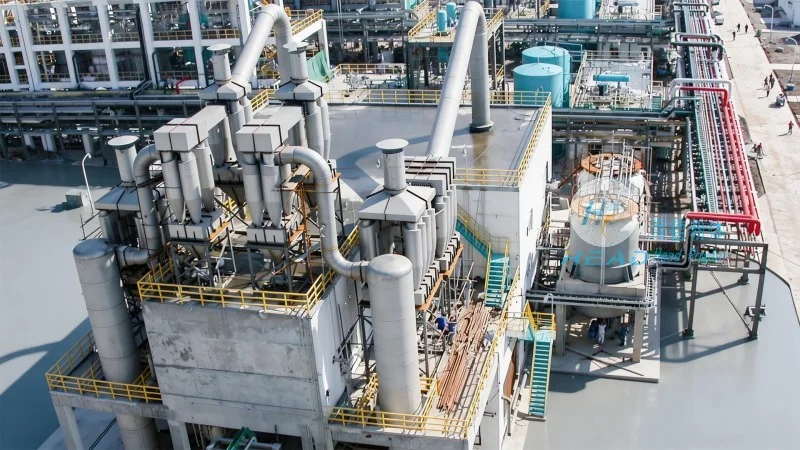
The operational mechanism of the system typically involves the following steps: first, the raw powders are loaded into the feed hoppers. Then, the feeders measure and dispense the required quantities into the mixing hopper. The mixed material is then conveyed to the next stage. The control system continuously monitors the process, ensuring that the ratios and flow rates are maintained as per the set parameters. Any deviations are automatically corrected, providing a stable and reliable output.
Shandong HeadPowder Engineering Co., Ltd.: A Leading Provider of Powder Handling Solutions
Shandong HeadPowder Engineering Co., Ltd., operating under the brand name HeadPowder, is a reputable company based in Shandong, China, specializing in the design, manufacturing, and supply of advanced powder handling equipment. With years of experience in the industry, HeadPowder has developed a range of automatic powder feeding and conveying systems tailored to meet the diverse needs of various industries. The company's commitment to quality, innovation, and customer satisfaction has made it a trusted partner for businesses seeking reliable and efficient powder handling solutions.
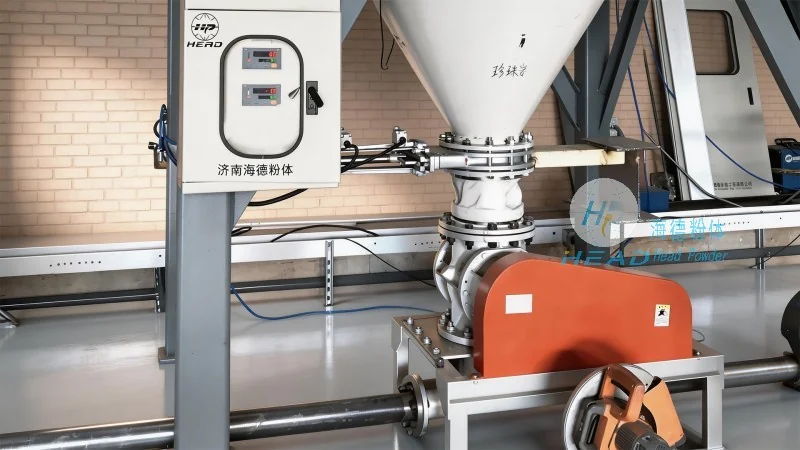
HeadPowder's products are designed with a focus on durability, precision, and ease of use. The company employs advanced technologies and rigorous quality control measures to ensure that each system meets or exceeds industry standards. Whether it's a small-scale laboratory setup or a large-scale industrial production line, HeadPowder offers customized solutions that can be integrated seamlessly into existing operations. The company's team of experts provides comprehensive support, from initial consultation and system design to installation, commissioning, and after-sales service.
Conclusion
In conclusion, the automatic powder feeding and conveying system is a vital piece of equipment for industries that handle bulk powders, offering significant advantages in terms of efficiency, accuracy, and safety. The design principles and operational mechanisms behind these systems are carefully engineered to meet the demanding requirements of modern production. With the expertise of companies like Shandong HeadPowder Engineering Co., Ltd., businesses can access high-quality, reliable systems that enhance their operational capabilities and contribute to their overall success. As the demand for precise powder handling continues to grow, the role of such systems will only become more critical in ensuring the quality and consistency of products across various sectors.