With more than 10‑year industry experience, Shandong Headpowder delivers full‑service pneumatic‑conveying systems and blowers, undertaking nationwide turn‑key powder‑handling projects.
Calcium oxide, commonly known as quicklime, is a widely used industrial material in various sectors such as construction, chemical manufacturing, and environmental treatment. The efficient and safe transportation of calcium oxide powder from production sites to processing or storage facilities is crucial for maintaining production efficiency and ensuring product quality. Pneumatic conveying systems have emerged as a preferred solution for handling calcium oxide powder due to their ability to transport bulk materials in a dust-free, controlled manner. This article provides an in-depth look at the operation process and working principle of the calcium oxide powder pneumatic conveying system equipment, highlighting the key components, operational steps, and technical considerations involved. Shandong HeadPowder Engineering Co., Ltd., a leading manufacturer based in China, specializes in designing and manufacturing such systems to meet the diverse needs of industrial clients.
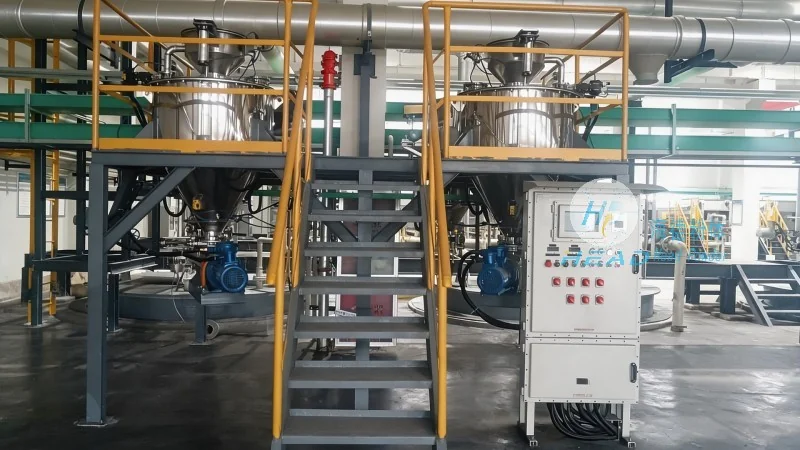
The calcium oxide powder pneumatic conveying system consists of several critical components that work in tandem to ensure smooth material transport. The main components include the material hopper, feeder, air compressor, conveying pipe, and dust collector. The material hopper is designed to store the calcium oxide powder and provide a controlled feed to the system. The feeder, typically a rotary valve or screw feeder, regulates the flow rate of the powder into the conveying line. The air compressor generates the necessary pressure and volume of air to move the powder through the system. The conveying pipe, often made of stainless steel or other corrosion-resistant materials, transports the powder and air mixture. Finally, the dust collector removes any fine particles from the air stream, ensuring compliance with environmental regulations and maintaining air quality.
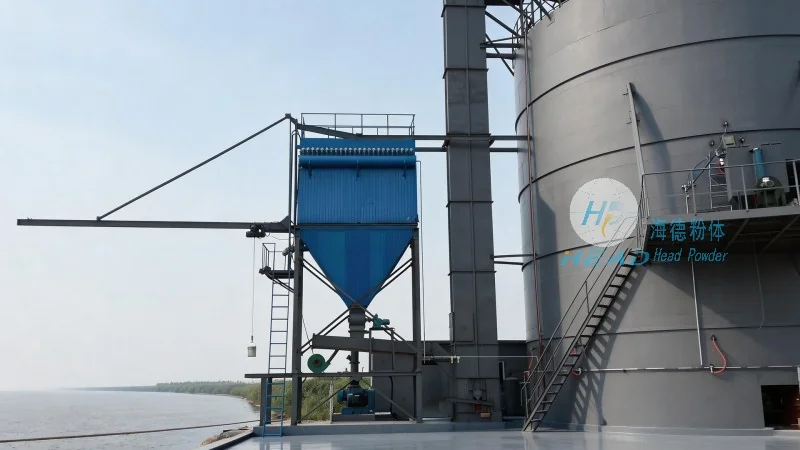
The operation of the calcium oxide powder pneumatic conveying system follows a systematic process. Initially, the calcium oxide powder is stored in the material hopper. The feeder then controls the discharge of the powder into the conveying pipe. Simultaneously, the air compressor supplies compressed air to the system. The air and powder mixture is then drawn into the conveying pipe through the feeder and transported to the destination point, such as a storage silo or processing unit. The pressure and velocity of the air are carefully controlled to ensure that the powder particles are suspended and transported efficiently without causing blockages or excessive wear on the system components. The dust collector at the end of the system captures any fine particles that may have escaped the conveying process, preventing dust emissions and maintaining a clean working environment.
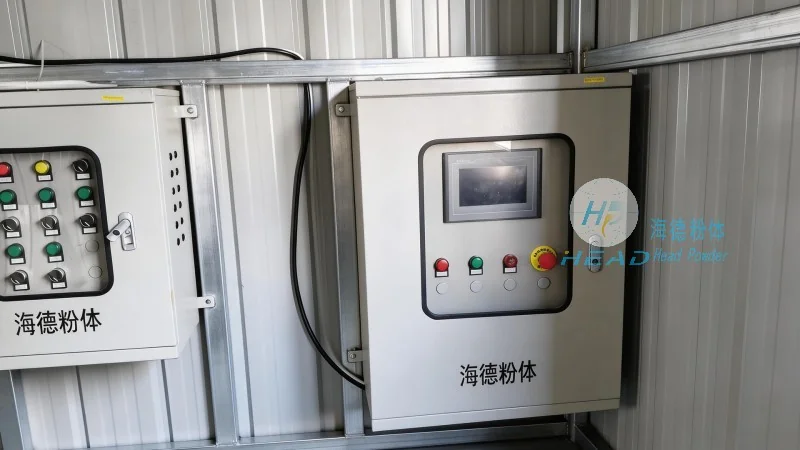
The operation process of the calcium oxide powder pneumatic conveying system can be broken down into several sequential steps. First, the system is prepared by ensuring that the material hopper is filled with calcium oxide powder and that all components are properly lubricated and functional. Next, the air compressor is started, and the pressure is adjusted to the appropriate level for the specific powder characteristics and conveying distance. The feeder is then activated to control the flow rate of the powder into the system. As the powder is fed, the air compressor maintains the required pressure to move the powder through the conveying pipe. The system is monitored continuously for any signs of blockages or pressure drops, which may indicate issues such as clogging or air leaks. If any problems are detected, the system is stopped immediately to prevent damage to components or loss of material. Once the conveying operation is complete, the system is shut down in the reverse order, starting with the feeder and then the air compressor, to allow the system to return to its idle state. The dust collector is also operated during the shutdown process to clear any accumulated dust from the system.
Several technical considerations are essential for the optimal performance and longevity of the calcium oxide powder pneumatic conveying system. The selection of the appropriate air compressor is critical, as it must be capable of providing sufficient pressure and volume to handle the specific powder characteristics, such as particle size, density, and moisture content. The conveying pipe diameter and length also need to be optimized to minimize pressure losses and prevent excessive wear on the system. Regular maintenance is crucial to ensure the system operates efficiently. This includes cleaning the material hopper and feeder to prevent buildup of powder, inspecting the air compressor and filters for wear or damage, and checking the conveying pipe for any signs of corrosion or blockages. Proper maintenance not only extends the lifespan of the equipment but also ensures consistent performance and compliance with safety and environmental standards.
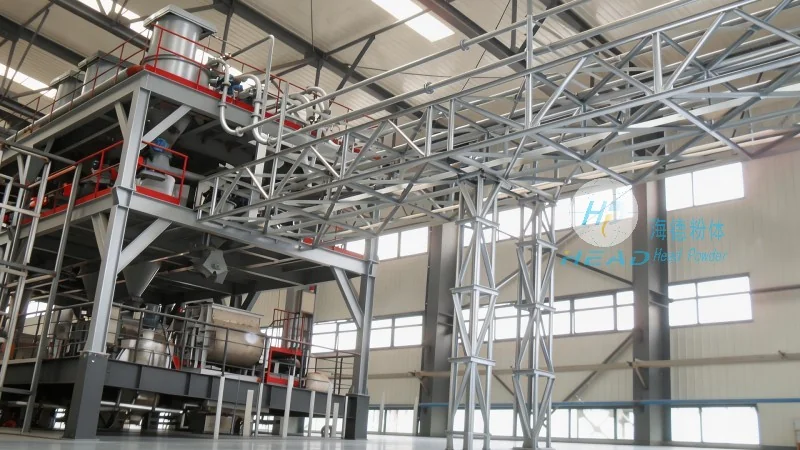
The calcium oxide powder pneumatic conveying system is a highly effective and reliable method for transporting calcium oxide powder in industrial applications. By understanding the key components, working principle, and operation process of the system, operators can ensure efficient and safe material handling. The system's ability to transport bulk materials in a dust-free environment makes it an ideal solution for industries where product purity and environmental compliance are paramount. With proper maintenance and technical considerations, the calcium oxide powder pneumatic conveying system can provide long-term operational efficiency and contribute to the overall success of industrial processes.

 Shandong Headpowder Engineering Co., Ltd.
 156-6277-7102(Manager Zhang)
  0531-83386006
  Zhangqiu District, Jinan City, Shandong Province, China
telephone
WeChatconsult
top