

The Operation Process and Working Principle of Activated Carbon Powder Pneumatic Conveying Lines
Activated carbon powder pneumatic conveying lines are essential equipment in industrial processes, particularly for handling fine powders like activated carbon. These systems efficiently transport materials through a network of pipes using air or gas as the conveying medium. The operation and working principles of such lines are crucial for ensuring optimal performance, reliability, and safety in various applications, including chemical processing, environmental treatment, and material handling in manufacturing facilities.

Company Overview: Shandong HeadPowder Engineering Co., Ltd.
Shandong HeadPowder Engineering Co., Ltd., commonly known as HeadPowder, is a leading provider of specialized engineering solutions for powder handling and material processing. With a strong focus on innovation and quality, the company has established itself as a trusted partner in the industry, offering comprehensive services and advanced equipment tailored to meet the diverse needs of clients. HeadPowder's headquarters is located in Shandong, China, where the company leverages its expertise to develop cutting-edge solutions for pneumatic conveying systems and other powder handling technologies.
Key Components of Activated Carbon Powder Pneumatic Conveying Lines
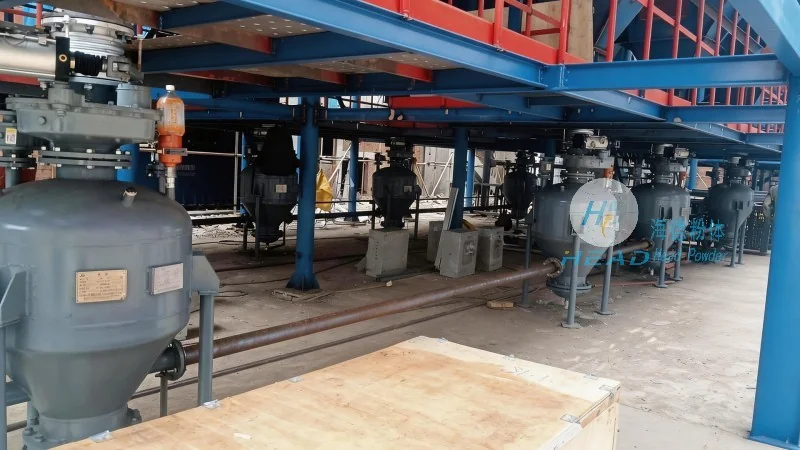
The operation of an activated carbon powder pneumatic conveying line involves several critical components that work in tandem to ensure efficient material transport. These components include the hopper or feeder, which stores and feeds the activated carbon powder into the system; the conveying line itself, which consists of pipes and fittings that direct the material flow; and the air or gas source, typically a blower or compressor, that provides the necessary pressure to move the powder. Additionally, control systems and safety features are integrated to monitor and regulate the conveying process, ensuring consistent performance and preventing operational issues.
The Working Principle of Pneumatic Conveying
The working principle of an activated carbon powder pneumatic conveying line is based on the use of air or gas to create a flow of material through the conveying line. When the blower or compressor generates pressure, it forces air into the system, which then picks up the activated carbon powder from the hopper. The mixture of powder and air travels through the pipes at high velocity, maintaining the material in suspension and preventing clogging or blockages. The system may include various configurations, such as positive pressure or negative pressure systems, depending on the specific application and material characteristics. Positive pressure systems use compressed air to push the material forward, while negative pressure systems use suction to draw the material from the source.
Operation Process: From Material Loading to Discharge
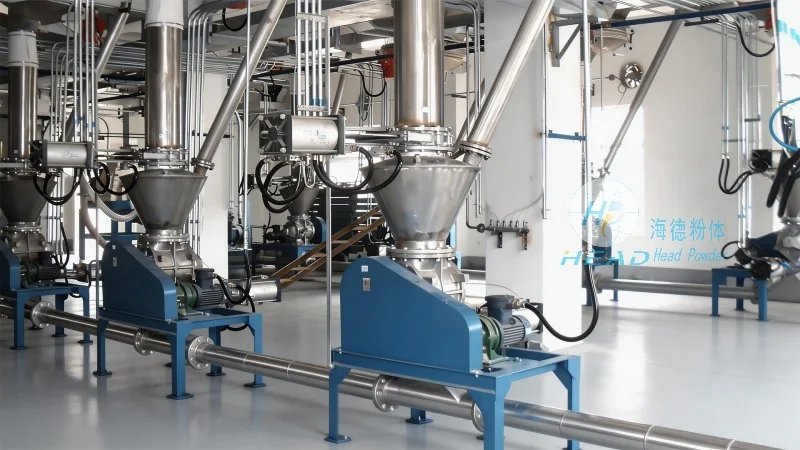
The operation process of an activated carbon powder pneumatic conveying line begins with the loading of activated carbon powder into the hopper. The hopper is designed to store the material and provide a controlled feed rate, ensuring a steady supply to the conveying line. Once the material is loaded, the control system activates the blower or compressor, which starts generating the necessary air pressure. The air then enters the conveying line and mixes with the powder, creating a slurry-like flow that moves through the pipes. The system may include intermediate silos or storage tanks along the route to accumulate the material before final discharge. At the end of the line, the material is discharged into a collection bin or processing unit, where the air is separated from the powder through a cyclone or filter system. The separated air is then returned to the blower or released into the atmosphere, while the activated carbon powder is collected for further use.
Advantages and Applications of Activated Carbon Powder Pneumatic Conveying Lines
Activated carbon powder pneumatic conveying lines offer several advantages over traditional material handling methods, such as bulk handling and reduced labor costs. The systems are highly efficient in transporting fine powders over long distances, with minimal material loss and contamination. Additionally, they provide flexibility in system design, allowing for customization to meet specific operational requirements. The applications of these lines are widespread, including the transportation of activated carbon in water treatment plants, chemical manufacturing facilities, and pharmaceutical production lines. In water treatment, activated carbon is used for adsorption processes to remove impurities and contaminants from water, and the conveying lines ensure a consistent supply of material to the treatment units. In chemical manufacturing, the lines facilitate the handling of activated carbon in production processes, such as filtration and adsorption, enhancing overall process efficiency.
Maintenance and Safety Considerations
Maintenance and safety are critical aspects of operating activated carbon powder pneumatic conveying lines. Regular maintenance is required to ensure the system operates efficiently and safely. This includes checking the condition of the hopper and feeder, inspecting the conveying line for leaks or blockages, and maintaining the air source and control systems. Safety features, such as pressure relief valves and emergency shut-off mechanisms, are essential to prevent accidents and protect personnel. Additionally, proper training for operators is necessary to ensure they understand the system's operation and can respond to any issues that may arise. By following proper maintenance procedures and safety guidelines, the lifespan of the equipment can be extended, and operational risks minimized.