With more than 10‑year industry experience, Shandong Headpowder delivers full‑service pneumatic‑conveying systems and blowers, undertaking nationwide turn‑key powder‑handling projects.
Shandong HeadPowder Engineering Co., Ltd., a professional manufacturer based in Shandong, China, specializes in the design, development, and production of advanced pneumatic conveying systems. The company focuses on providing high-efficiency solutions for material handling, particularly in the recycling and processing of regenerated sand. HeadPowder's expertise lies in creating customized equipment that meets the specific needs of various industrial applications, ensuring reliability and durability in demanding environments.
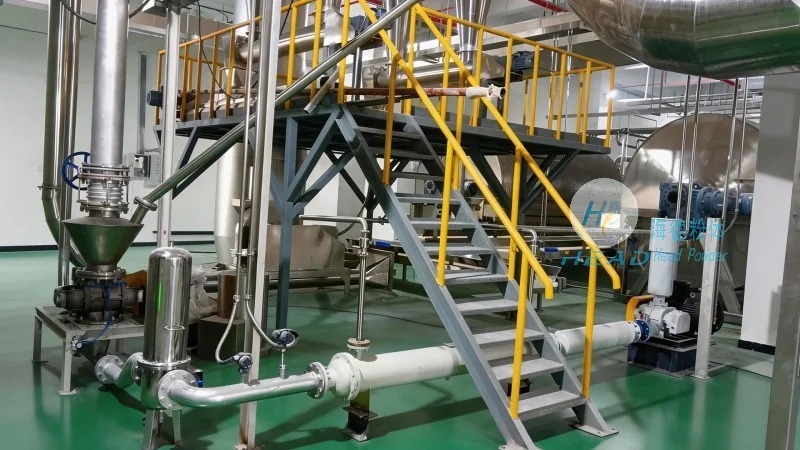
Regenerated sand pneumatic conveying equipment is a critical component in modern manufacturing processes, especially in foundries and casting industries. This system is designed to transport regenerated sand—recycled from used casting sand—through a pipeline using compressed air. The equipment ensures efficient material movement, minimizing manual handling and reducing the risk of contamination. The design incorporates advanced engineering principles to handle abrasive materials while maintaining low maintenance costs and high operational efficiency.
The core of the regenerative sand pneumatic conveying equipment is the air flow mechanism that propels the sand particles through the pipeline. The system typically consists of a hopper, a feeder, a venturi or pressure vessel, and a receiver. The process begins with the sand being fed from the hopper into the feeder, which controls the flow rate. Compressed air is then introduced into the system, creating a high-velocity air stream that lifts and transports the sand particles. The venturi or pressure vessel helps to accelerate the air and sand mixture, ensuring consistent flow. The sand is then deposited into the receiver, while the air is filtered and recycled back into the system. This closed-loop system minimizes air loss and ensures energy efficiency.
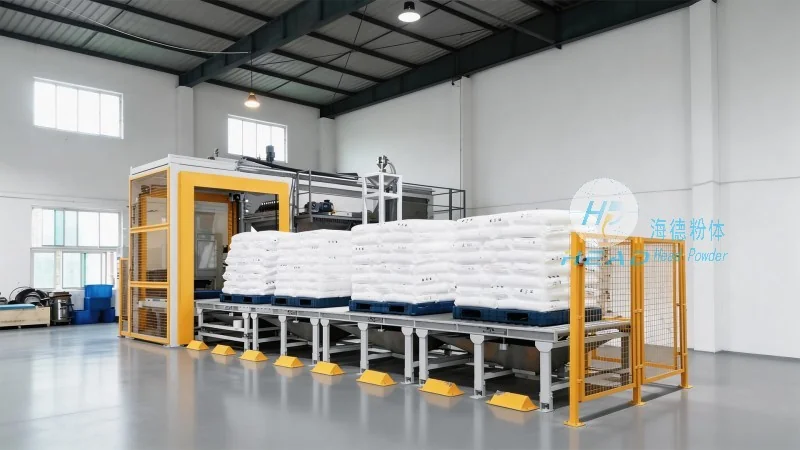
The operation of regenerated sand pneumatic conveying equipment follows a systematic sequence to ensure smooth and continuous material handling. First, the hopper is filled with regenerated sand, which is then transferred to the feeder. The feeder regulates the sand flow into the conveying line, preventing blockages and maintaining a steady rate. Compressed air is supplied to the system, and the air pressure is adjusted to match the required conveying capacity. The air stream picks up the sand particles, and the mixture travels through the pipeline to the destination receiver. The receiver is positioned at the end of the conveying line, where the sand is deposited. The air, now carrying fine particles, passes through a filter system to remove dust and particulates, and the clean air is recycled back to the feeder or venturi. This cycle repeats continuously, providing a reliable method for transporting large volumes of sand with minimal human intervention.
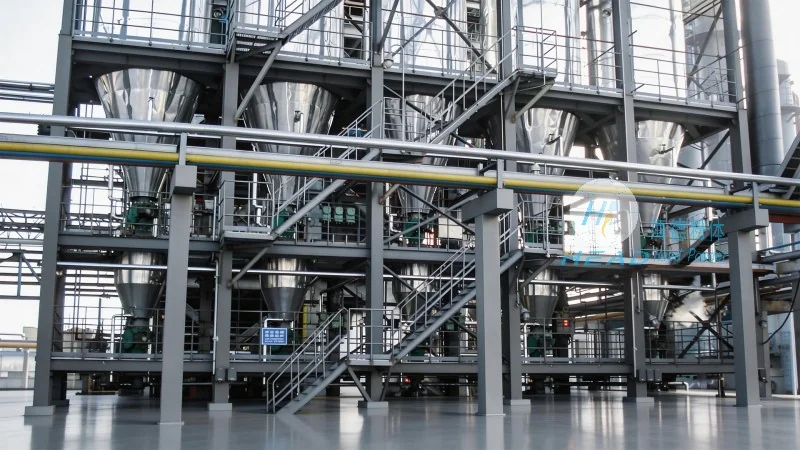
HeadPowder's regenerative sand pneumatic conveying equipment is equipped with several advanced features that enhance performance and reliability. The system uses high-quality materials, such as stainless steel and wear-resistant components, to withstand the abrasive nature of regenerated sand. The feeder is designed with adjustable speed controls, allowing operators to optimize the flow rate based on the material characteristics and conveying distance. The venturi or pressure vessel ensures consistent air velocity, reducing the risk of material settling or blockages. The filter system is equipped with high-efficiency filters that capture fine particles, protecting the equipment from damage and maintaining air quality. Additionally, the equipment is designed for easy maintenance, with accessible components and clear operational indicators. These features contribute to lower operational costs, longer equipment lifespan, and improved overall efficiency in sand recycling processes.
Regenerated sand pneumatic conveying equipment from Shandong HeadPowder Engineering Co., Ltd. offers a reliable and efficient solution for transporting recycled sand in industrial applications. By leveraging advanced pneumatic technology, the system minimizes manual labor, reduces contamination risks, and ensures consistent material flow. The equipment's design, based on years of engineering expertise, addresses the unique challenges of handling abrasive and recycled materials, making it an ideal choice for foundries and casting manufacturers. With a focus on durability, energy efficiency, and user-friendly operation, HeadPowder's pneumatic conveying systems provide long-term value and support sustainable manufacturing practices.

 Shandong Headpowder Engineering Co., Ltd.
 156-6277-7102(Manager Zhang)
  0531-83386006
  Zhangqiu District, Jinan City, Shandong Province, China
telephone
WeChatconsult
top