With more than 10‑year industry experience, Shandong Headpowder delivers full‑service pneumatic‑conveying systems and blowers, undertaking nationwide turn‑key powder‑handling projects.
For detailed information about the operation process and working principle of magnesium silicate pneumatic conveying equipment, please refer to the following content. This article is provided by Shandong HeadPowder Engineering Co., Ltd., a professional manufacturer based in China.
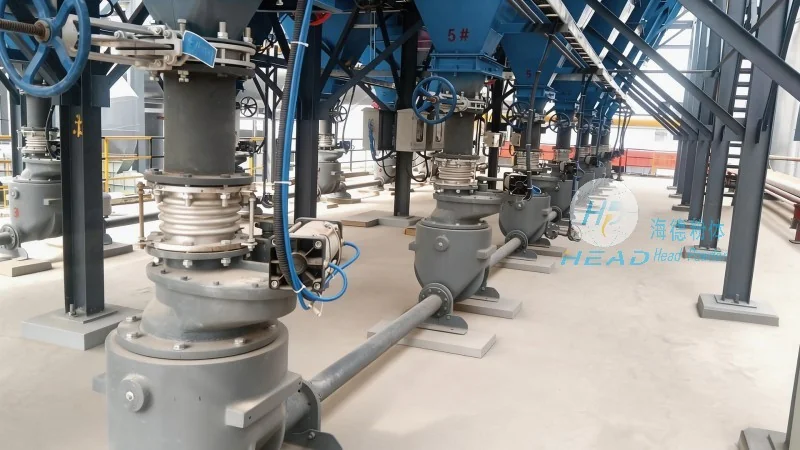
Magnesium silicate, also known as talc or magnesium hydroxide, is a widely used industrial material in various sectors such as construction, cosmetics, and pharmaceuticals. The efficient and safe transportation of this material is crucial for industrial operations. Pneumatic conveying systems offer a reliable solution for handling magnesium silicate, ensuring minimal dust generation and maintaining product quality. This article will explore the operation process and working principle of such equipment, highlighting the key components and operational steps involved.
The magnesium silicate pneumatic conveying equipment typically consists of several essential components that work in tandem to achieve effective material transport. These components include the material hopper, feeder, air compressor, conveying pipeline, dust collector, and control system. Each component plays a vital role in the overall operation of the system.
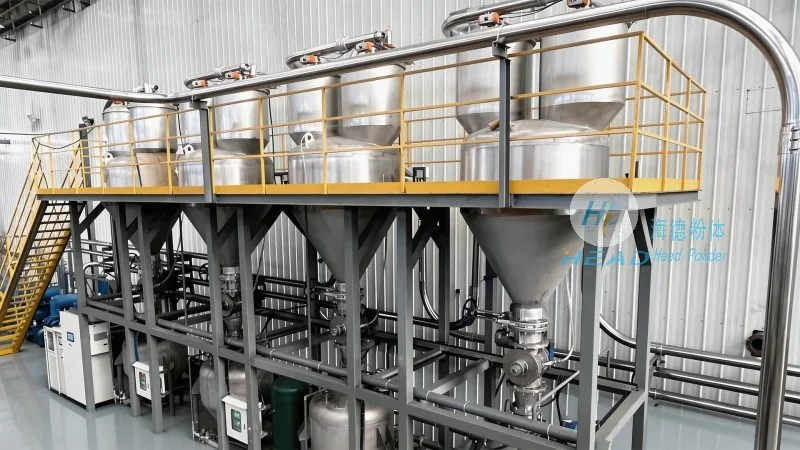
The material hopper is the storage container where magnesium silicate is loaded before being conveyed. It is designed to maintain a consistent material level and prevent clogging. The feeder, often a rotary valve or a screw feeder, regulates the flow of material from the hopper into the conveying pipeline. The feeder ensures a controlled and steady supply of material, which is critical for maintaining the system's efficiency and preventing blockages.
The air compressor is the heart of the pneumatic conveying system, responsible for generating the necessary air pressure to move the material. It compresses ambient air and delivers it at a specific pressure to the conveying pipeline. The pressure regulation system ensures that the air pressure remains stable and within the optimal range for effective material transport. Proper pressure control is essential to prevent material degradation and maintain the integrity of the conveying process.
The conveying pipeline is a network of pipes that transports the magnesium silicate from the feeder to the discharge point. The pipeline is typically made of materials resistant to corrosion and abrasion, such as stainless steel or plastic, to withstand the handling of the material. Flow control devices, such as orifice plates or venturi meters, are installed along the pipeline to monitor and adjust the material flow rate. These devices help maintain a consistent flow and prevent overloading or underloading of the system.
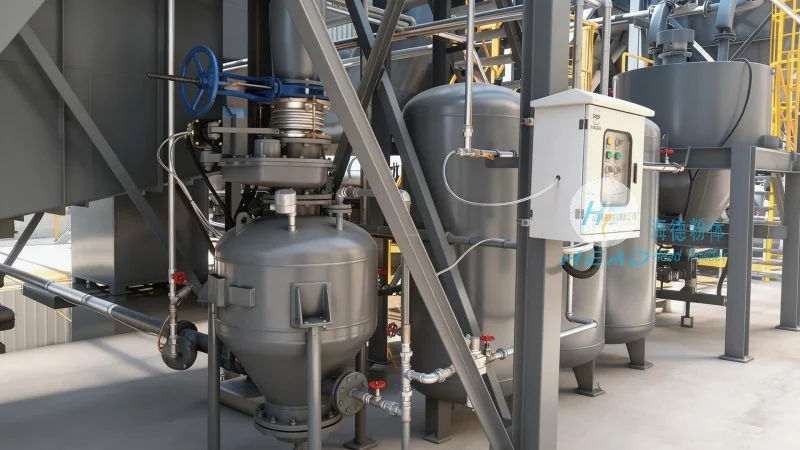
Due to the fine nature of magnesium silicate, dust generation is a common issue during the conveying process. The dust collector is an integral part of the system, designed to capture and remove airborne particles from the conveying air. It typically consists of a filter cartridge or bag that traps the dust, allowing clean air to be recirculated back into the system. The filtration system ensures compliance with environmental regulations and maintains a safe working environment for operators.
The control system manages all aspects of the pneumatic conveying operation, including material feeding, air pressure, and flow control. It is equipped with sensors and alarms to detect any abnormalities and prevent system failures. Safety features, such as pressure relief valves and emergency shut-off switches, are incorporated to protect the equipment and personnel from potential hazards. The control system ensures the smooth and safe operation of the magnesium silicate pneumatic conveying equipment.
The operation process of the magnesium silicate pneumatic conveying equipment involves several sequential steps that ensure efficient material transport. The process begins with loading the material hopper with magnesium silicate. The feeder then starts to discharge the material into the conveying pipeline at a controlled rate. Simultaneously, the air compressor generates the required air pressure, which is introduced into the pipeline. The air and material mixture travels through the pipeline, with the air carrying the material particles to the discharge point. At the discharge end, the material is separated from the air using a separator or cyclone, and the air is then filtered and recirculated. The entire process is monitored and controlled by the system's control panel, ensuring optimal performance and minimal downtime.

The working principle of the magnesium silicate pneumatic conveying system is based on the principle of fluidization and suspension. The air compressor provides the necessary pressure to create a flow of air through the conveying pipeline. As the air flows, it creates a low-pressure zone that draws the material from the feeder into the pipeline. The material particles are suspended in the air stream and transported to the discharge point. The velocity of the air is critical; it must be sufficient to keep the material particles in suspension but not so high as to cause excessive wear on the equipment or degrade the material. The system's design ensures that the air velocity remains within the optimal range for effective conveying.
The use of pneumatic conveying equipment for magnesium silicate offers several benefits, including improved material handling efficiency, reduced labor costs, and enhanced safety. The system minimizes the risk of dust exposure and contamination, which is particularly important for applications in the pharmaceutical and cosmetic industries. Additionally, the equipment can handle a wide range of material sizes and flow rates, making it suitable for various industrial applications. Shandong HeadPowder Engineering Co., Ltd. specializes in manufacturing and supplying high-quality pneumatic conveying systems tailored to the specific needs of magnesium silicate handling, ensuring reliable and efficient operation for its clients.

 Shandong Headpowder Engineering Co., Ltd.
 156-6277-7102(Manager Zhang)
  0531-83386006
  Zhangqiu District, Jinan City, Shandong Province, China
telephone
WeChatconsult
top