

What is a Lithium Iron Carbonate Material Handling Conveyor System? And What Are Its Design Principl
Lithium iron carbonate (LiFeCO₃) is a pivotal component in contemporary battery technology, extensively utilized in electric vehicles, renewable energy storage systems, and portable electronic devices. The efficient and reliable transport of LiFeCO₃ materials throughout the production process is indispensable for sustaining high productivity and ensuring product quality. A specialized material handling conveyor system engineered specifically for LiFeCO₃ is a key piece of equipment in many manufacturing facilities. This article explores the concept of a lithium iron carbonate material handling conveyor system and delves into its fundamental design principles, highlighting the technology and engineering behind such systems.
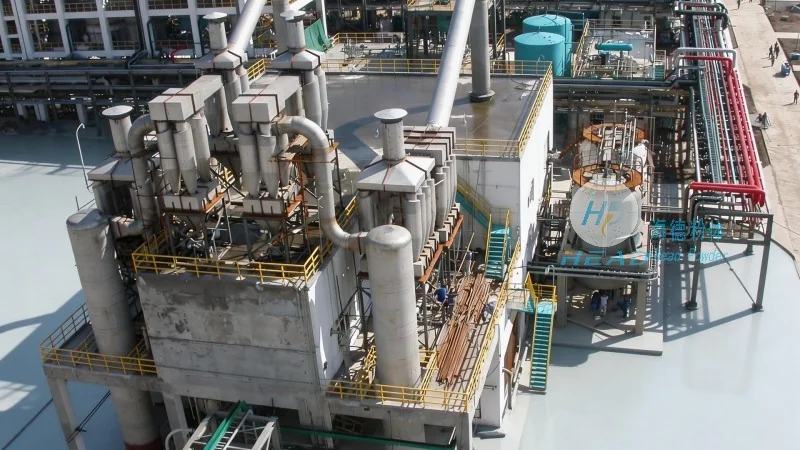
HeadPowder: A Leading Provider of Material Handling Solutions
Shandong HeadPowder Engineering Co., Ltd., commonly known as HeadPowder, is a reputable company based in China specializing in the design, manufacturing, and installation of advanced material handling systems. With a strong focus on innovation and customer-centric solutions, HeadPowder has established itself as a trusted partner for industries requiring efficient and reliable material transport solutions. The company's expertise spans various sectors, including battery manufacturing, chemical processing, and pharmaceuticals, where precise and safe material handling is paramount. HeadPowder's commitment to quality and technological advancement ensures that their conveyor systems meet the stringent requirements of modern industrial applications.
Design Principles of Lithium Iron Carbonate Material Handling Conveyors
The design of a lithium iron carbonate material handling conveyor system is a complex process that involves careful consideration of several key factors to ensure optimal performance and safety. The primary goal is to transport LiFeCO₃ powder or granules from one stage of the production process to another with minimal loss, contamination, and energy consumption. Several critical design principles are integral to achieving this objective:
Firstly, the conveyor system must be constructed from materials that are chemically compatible with LiFeCO₃ and resistant to corrosion. Common materials include stainless steel, food-grade plastics, and specialized coatings that prevent chemical reactions and ensure the integrity of the material being handled. The choice of material directly impacts the longevity and reliability of the system, as well as the quality of the final product.
Secondly, the system must incorporate effective dust control measures. LiFeCO₃ is a fine powder that can generate significant airborne dust during handling, which poses health risks to workers and can affect the performance of downstream equipment. Advanced dust collection systems, such as enclosed conveyor designs, HEPA filters, and vacuum systems, are typically integrated into the design to maintain a clean and safe working environment. These measures also help prevent dust accumulation, which could lead to equipment failure or product contamination.
Thirdly, the conveyor must be designed for gentle material handling to preserve the physical properties of LiFeCO₃. Harsh handling can cause agglomeration, particle breakdown, or damage to the material's surface, all of which can impact its performance in battery applications. Therefore, the system often includes features like low-friction surfaces, minimal impact zones, and controlled acceleration/deceleration mechanisms. These design elements ensure that the material remains in its optimal state throughout the transport process.
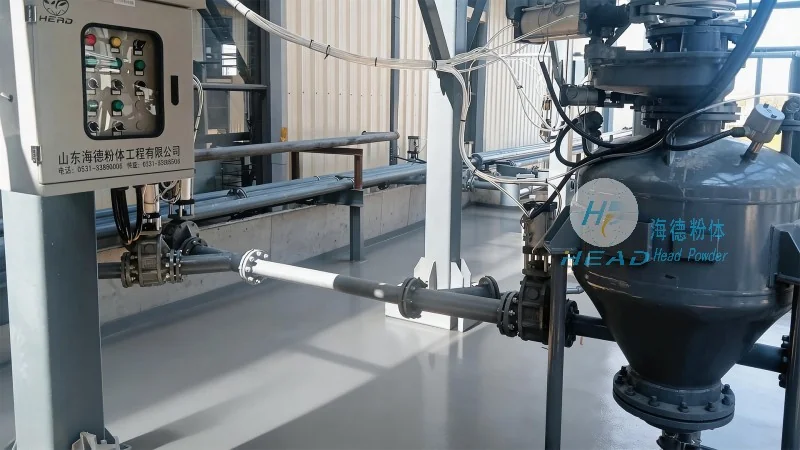
Fourthly, the system must be equipped with robust control and monitoring capabilities. Modern conveyor systems utilize advanced sensors, variable frequency drives (VFDs), and programmable logic controllers (PLCs) to regulate speed, direction, and load. Real-time monitoring allows operators to detect anomalies, such as overloading or blockages, and take corrective action promptly. This not only enhances operational efficiency but also contributes to overall safety by preventing accidents and equipment damage.
Fifthly, the design must consider the specific flow characteristics of LiFeCO₃. Unlike bulkier materials, LiFeCO₃ powder has unique flow properties, including its tendency to form arches or ratholes under certain conditions. To address this, the conveyor may incorporate features like vibrators, air knives, or inclined sections to promote smooth material flow. These elements ensure consistent and reliable transport, reducing downtime and improving overall throughput.
Key Components and Functionalities
A lithium iron carbonate material handling conveyor system typically consists of several interconnected components that work in harmony to achieve the desired transport objectives. The main components include feeders, conveyors (such as belt conveyors, screw conveyors, or pneumatic conveyors), transfer mechanisms, and control systems. Each component plays a crucial role in the overall functionality of the system:
Feeders are responsible for accurately metering and feeding LiFeCO₃ into the conveyor. They ensure a consistent flow rate, which is critical for maintaining steady production output. Common feeder types include rotary valves, vibratory feeders, and screw feeders, each chosen based on the material's characteristics and the required feeding rate.
Belt conveyors are often used for horizontal or slight incline transport due to their ability to handle a wide range of material types and sizes. The belts are typically made of food-grade rubber or specialized materials that are resistant to chemical exposure. The design may include idlers, pulleys, and tensioning systems to ensure smooth operation and prevent belt slippage or wear.
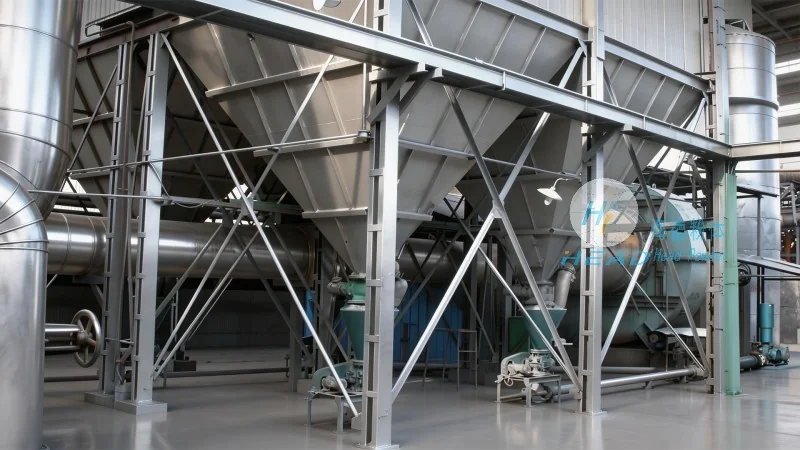
Screw conveyors, or auger conveyors, are ideal for vertical or inclined transport of fine powders like LiFeCO₃. They use a rotating screw to push material forward, providing a gentle and controlled transport method. The screw's pitch and diameter are carefully selected to match the material's flow characteristics and prevent blockages.
Pneumatic conveyors, or air slides, use compressed air to transport LiFeCO₃ particles through a pipeline. This method is particularly effective for long-distance or high-rise transport, as it minimizes material degradation and allows for flexible routing. However, it requires careful control of air pressure and flow to maintain consistent performance.
Transfer mechanisms, such as rotary valves or transfer chutes, are used to direct the material from one conveyor section to another or to different processing units. These components must be designed to prevent material spillage and ensure smooth transitions, which is essential for maintaining the integrity of the material and the efficiency of the system.
The control system, often integrated with sensors and PLCs, monitors and regulates the operation of all components. It can adjust conveyor speed, control feeder output, and trigger alarms or shutdowns in case of abnormalities. This centralized control enhances operational efficiency and safety, allowing for real-time adjustments based on production needs.
Applications and Benefits
Lithium iron carbonate material handling conveyor systems are widely used in various stages of the battery manufacturing process, from raw material handling to finished product packaging. Their primary applications include:
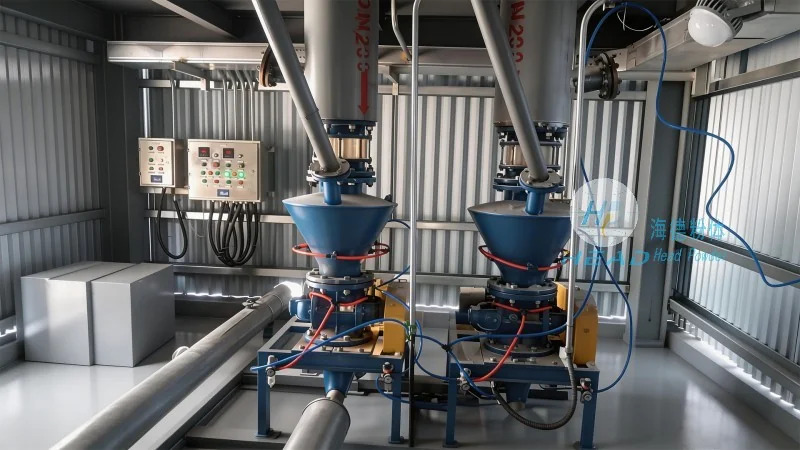
1. Raw Material Transport: Conveying LiFeCO₃ from storage silos or bulk containers to the mixing or grinding stages of battery production. This ensures a consistent supply of material and minimizes downtime.
2. Intermediate Processing: Transporting processed LiFeCO₃ to the next stage, such as coating or cell assembly. The system must maintain the material's quality and prevent contamination during this critical phase.
3. Waste Management: Handling waste materials or byproducts generated during the production process, ensuring proper disposal and environmental compliance.
The benefits of using a specialized conveyor system for LiFeCO₃ are numerous. Firstly, it improves production efficiency by reducing material handling time and increasing throughput. Secondly, it enhances product quality by minimizing material loss, contamination, and degradation. Thirdly, it improves workplace safety by controlling dust and preventing accidents. Finally, it reduces operational costs through energy-efficient design and lower maintenance requirements.
Conclusion
A lithium iron carbonate material handling conveyor system is a sophisticated piece of equipment designed to meet the unique challenges of transporting this critical battery material. The design principles, components, and functionalities of such systems are tailored to ensure efficient, safe, and reliable material transport. Companies like Shandong HeadPowder Engineering Co., Ltd. play a vital role in providing these advanced solutions, leveraging their expertise to meet the evolving needs of the battery industry. By investing in high-quality material handling systems, manufacturers can enhance their operational performance, improve product quality, and maintain a competitive edge in the market.