With more than 10‑year industry experience, Shandong Headpowder delivers full‑service pneumatic‑conveying systems and blowers, undertaking nationwide turn‑key powder‑handling projects.
Straw ash material conveying lines are specialized systems engineered to handle and transport straw ash, a byproduct commonly generated from agricultural residue processing or biomass combustion. These lines are crucial in industrial settings where efficient material handling is essential for maintaining operational efficiency and reducing labor costs. The design principles behind such systems focus on optimizing performance, ensuring safety, and adapting to the unique characteristics of straw ash, which often includes high moisture content, variable particle sizes, and abrasive properties.
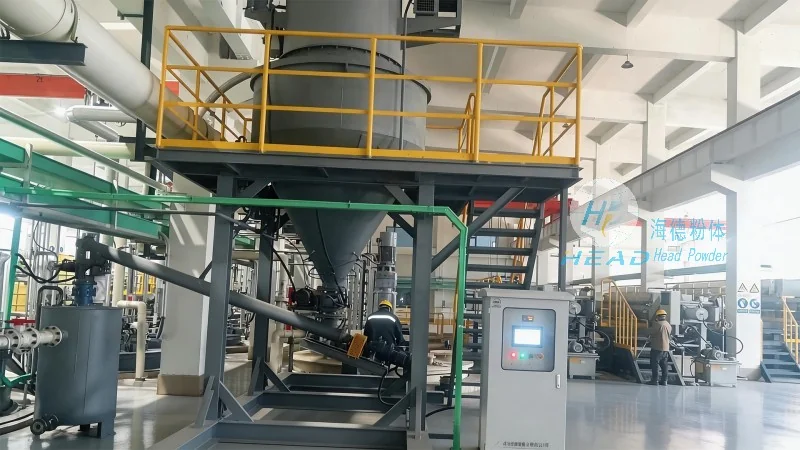
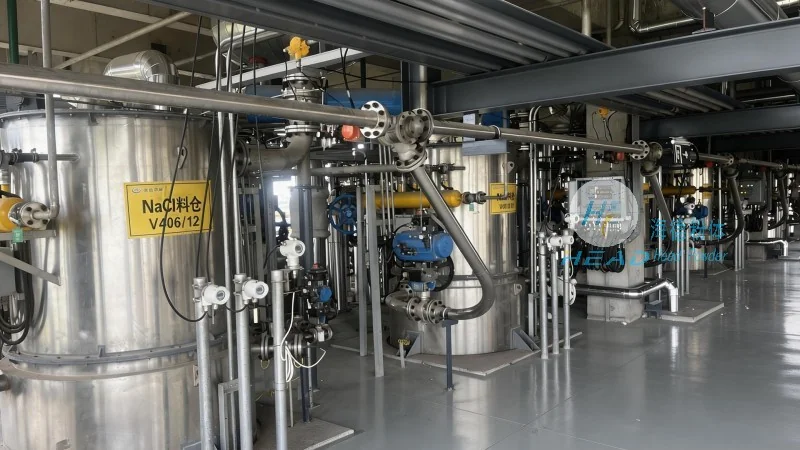
The straw ash material conveying line typically consists of several key components that work in tandem to ensure smooth material transport. These components include feed hoppers, conveyor belts or screw conveyors, dust collection systems, and control panels. The feed hopper is designed to collect and store the straw ash before it is fed into the conveyor system. Conveyor belts are often preferred for handling bulk materials like straw ash due to their ability to transport large volumes with minimal maintenance. Screw conveyors, on the other hand, are suitable for vertical or inclined transport and can handle materials with higher moisture content. The dust collection system is critical for maintaining air quality and preventing dust emissions, which is essential for compliance with environmental regulations. The control panel allows operators to monitor and adjust the system's operation, ensuring optimal performance and safety.
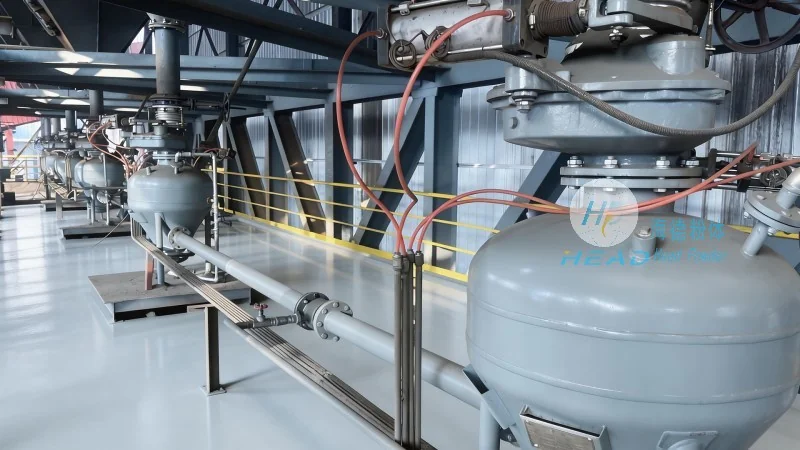
The design of a straw ash material conveying line is guided by several key principles aimed at maximizing efficiency and reliability. One of the primary considerations is the material's physical properties, such as its density, moisture content, and abrasiveness. These factors influence the choice of conveyor type and the required power output. For example, high moisture content may require a conveyor with better drainage capabilities to prevent material buildup or clogging. Abrasive materials necessitate the use of durable materials for the conveyor belt and housing to extend the system's lifespan. Another critical design principle is the system's capacity and throughput. The conveyor line must be sized to handle the expected volume of straw ash, ensuring that it can meet production demands without bottlenecks. This involves calculating the material's flow rate and selecting components that can handle the required load. Additionally, the design must incorporate safety features, such as emergency stop buttons, protective guards, and overload protection, to prevent accidents and ensure compliance with safety standards. The integration of these components into a cohesive system requires careful engineering to balance performance, cost, and maintenance requirements.
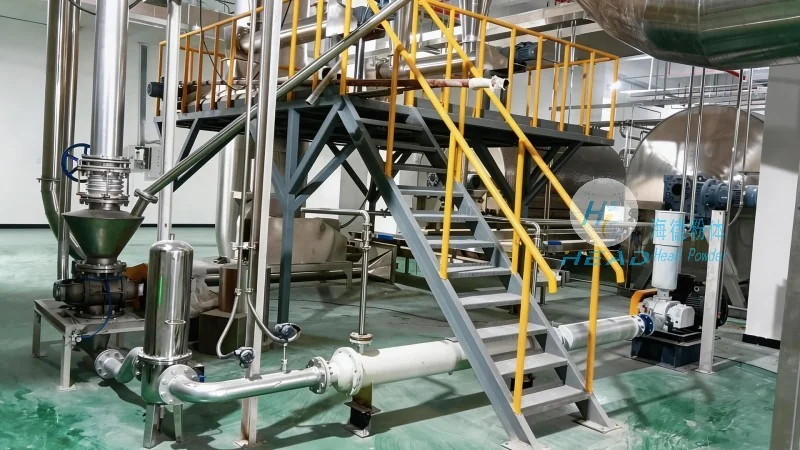
HeadPowder Engineering, a leading manufacturer in the material handling industry, specializes in designing and manufacturing straw ash material conveying lines tailored to the needs of various industries. With a strong focus on innovation and quality, the company has developed advanced systems that address the unique challenges of handling straw ash. HeadPowder Engineering's products are engineered to deliver high efficiency, reliability, and durability, ensuring that clients can achieve optimal performance in their operations. The company's commitment to customer satisfaction and technical excellence has made it a trusted partner for businesses seeking effective material handling solutions. HeadPowder Engineering is headquartered in Shandong, China, where it leverages its expertise and resources to provide comprehensive support and services to its clients worldwide.

 Shandong Headpowder Engineering Co., Ltd.
 156-6277-7102(Manager Zhang)
  0531-83386006
  Zhangqiu District, Jinan City, Shandong Province, China
telephone
WeChatconsult
top