

What is a Negative Pressure Suction Material Handling System? What is its Design Principle?
Welcome to the world of efficient material handling solutions, where advanced engineering meets practical application. In this exploration, we delve into the negative pressure suction material handling system—a technology that has revolutionized how industries manage bulk materials. This article aims to clarify what this system entails and the intricate design principles that make it a reliable choice for various operational needs.
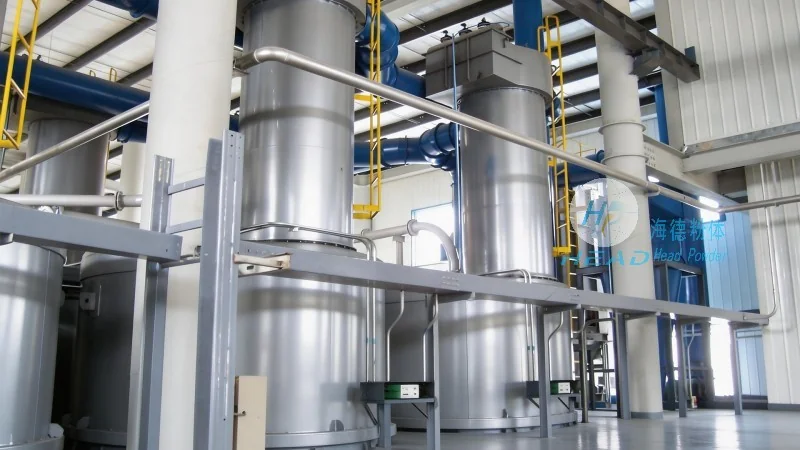
Introduction to Negative Pressure Suction Material Handling Systems
A negative pressure suction material handling system is a sophisticated piece of equipment designed to transport bulk materials from one location to another using a vacuum or negative pressure. Unlike traditional positive pressure systems that force material through a pipeline, this system creates a vacuum to draw materials in, making it ideal for applications where dust control, material containment, and gentle handling are critical. The system typically consists of a vacuum pump, a suction head (or nozzle), and a pipeline network that connects the source of material to the destination. By leveraging the principles of fluid dynamics and vacuum technology, it enables seamless and efficient material transfer without the need for mechanical components that might cause wear or contamination.
Understanding the Core Functionality of Negative Pressure Suction Systems
The primary function of a negative pressure suction system is to create a pressure differential that allows materials to be drawn into the system. The vacuum pump generates a low-pressure environment, and as air (along with the material particles) is pulled into the suction head, it is conveyed through the pipeline to the discharge point. This process is particularly effective for handling fine powders, granules, and other loose materials that are prone to dust or require gentle handling to prevent degradation. The system’s ability to maintain a consistent vacuum level ensures a steady flow of material, reducing the risk of clogging or blockages that can occur in other types of material handling equipment.
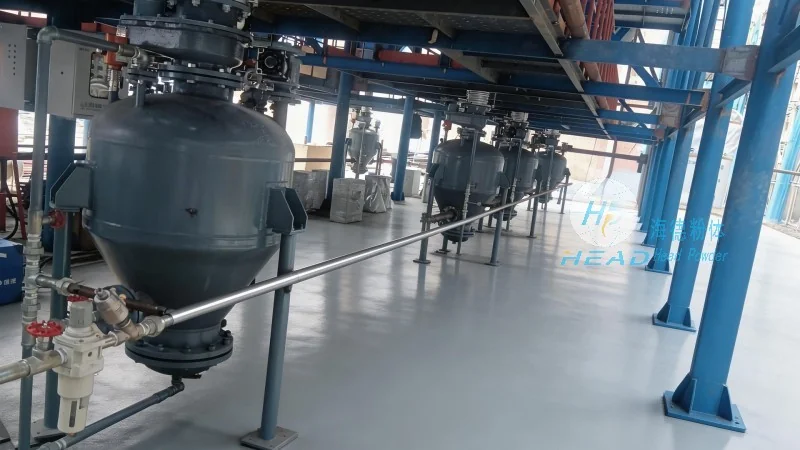
Design Principles Underpinning Negative Pressure Suction Technology
The design of a negative pressure suction system is governed by several key principles that ensure optimal performance and reliability. First, the system must maintain a sufficient vacuum level to overcome the resistance of the material and the pipeline. This is achieved by selecting an appropriately sized vacuum pump that can handle the volume of material and the length of the pipeline. Second, the suction head design is critical; it must be optimized to create an efficient airflow pattern that minimizes turbulence and maximizes material capture. The nozzle or orifice size and shape are carefully engineered to match the particle size and flow characteristics of the material being handled. Third, the pipeline network must be designed to minimize pressure losses, which can be caused by bends, fittings, or excessive length. Properly sized and insulated pipelines help maintain the vacuum level and prevent heat buildup that could affect material properties.
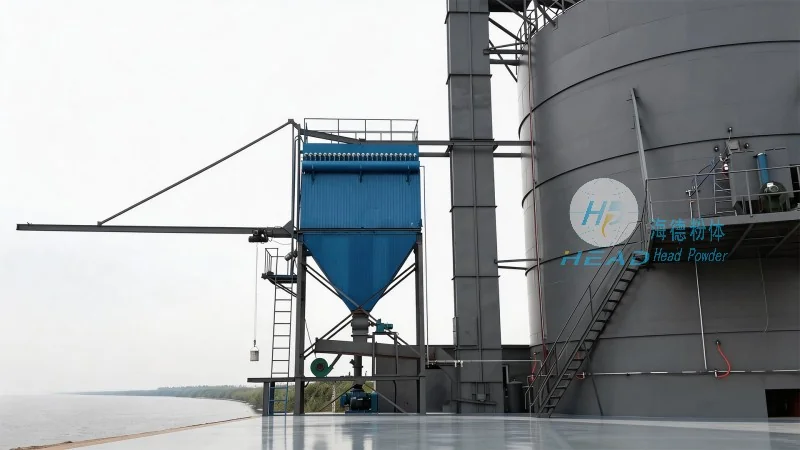
Key Components and Their Roles in the System
Several components work in tandem to ensure the smooth operation of a negative pressure suction system. The vacuum pump is the heart of the system, responsible for generating the necessary vacuum. It can be a rotary vane pump, a roots blower, or a combination of both, depending on the required vacuum level and flow rate. The suction head, often equipped with a filter or cyclone separator, captures the material and separates it from the air stream. This separation is crucial for maintaining the purity of the material and preventing dust from entering the pump or downstream equipment. The pipeline network, typically made of stainless steel or other corrosion-resistant materials, conveys the material from the suction point to the discharge point. Fittings such as elbows, tees, and reducers are used to direct the flow and maintain the vacuum integrity. Finally, the discharge system, which may include a hopper or a conveyor, collects the material at the end of the pipeline, ensuring a controlled and efficient discharge process.
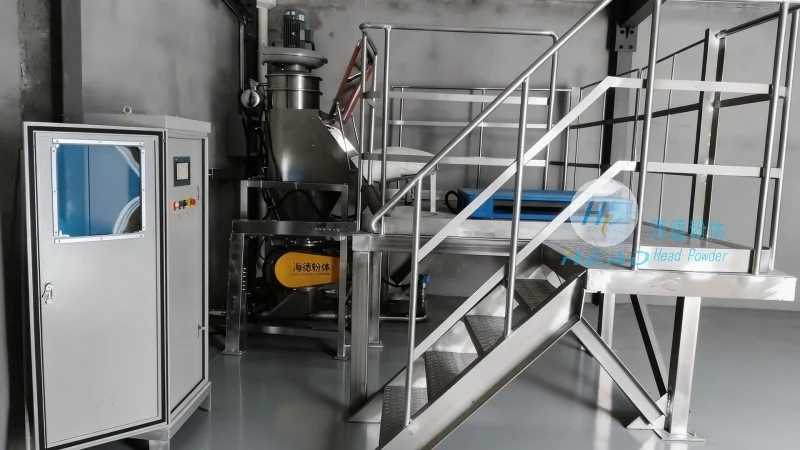
Application Scenarios and Benefits of Negative Pressure Suction Systems
Negative pressure suction systems are widely used in various industries due to their versatility and efficiency. In the pharmaceutical industry, they are used to transport powders and granules while maintaining sterile conditions and preventing cross-contamination. In the food processing sector, they handle ingredients like flour, sugar, and spices, ensuring that the material remains clean and free from contaminants. The chemical industry also benefits from these systems when handling hazardous or sensitive powders, as the negative pressure design minimizes the risk of dust explosions and material exposure. The primary benefits of negative pressure suction systems include improved dust control, reduced material degradation, lower energy consumption compared to positive pressure systems, and enhanced safety due to the enclosed material handling process. Additionally, the system’s ability to handle a wide range of materials—from fine powders to larger granules—makes it a versatile solution for diverse operational needs.
About the Company: HeadPowder Engineering
HeadPowder Engineering, or Shandong HeadPowder Engineering Co., Ltd., is a leading manufacturer and supplier of advanced material handling systems. With its headquarters in Shandong, China, the company specializes in designing, manufacturing, and installing negative pressure suction systems tailored to the specific needs of various industries. HeadPowder Engineering combines years of experience in engineering and material handling technology to deliver high-quality, reliable systems that meet international standards. The company’s commitment to innovation and customer satisfaction has made it a trusted partner for businesses seeking efficient and sustainable material handling solutions. By leveraging cutting-edge technology and a deep understanding of industry requirements, HeadPowder Engineering continues to set new standards in the field of material handling systems.