

Operation Process and Working Principle of Grain Husk Pneumatic Conveying System
Grain husk, as a byproduct of grain processing, is widely used in various industries such as animal feed, biofuel, and industrial raw materials. Efficient and reliable transportation of grain husk is crucial for the smooth operation of production lines. The pneumatic conveying system, especially designed for grain husk, offers a solution that combines high efficiency with low maintenance requirements. This article will delve into the operation process and working principle of a grain husk pneumatic conveying system, highlighting its key components, operational steps, and the technical advantages it provides.
Key Components of the Grain Husk Pneumatic Conveying System
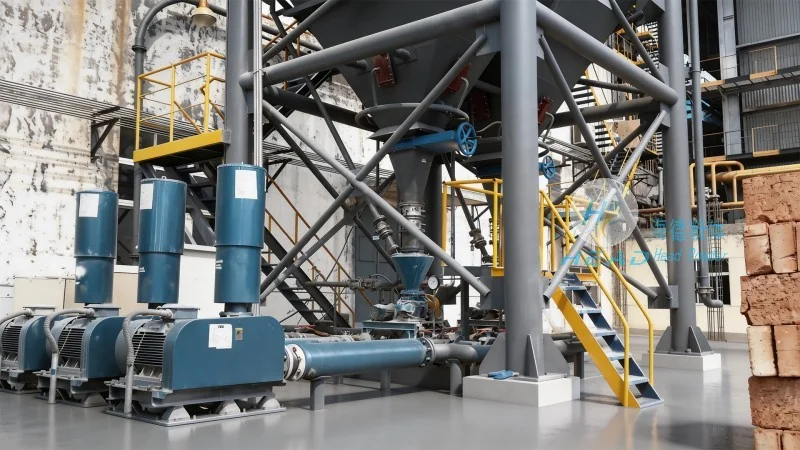
The grain husk pneumatic conveying system consists of several core components that work in tandem to ensure the effective transport of material. The primary components include the hopper, feeder, air compressor, conveying pipe, and receiver. The hopper is designed to store the grain husk, providing a consistent feed to the system. The feeder, often a rotary valve or a screw feeder, regulates the flow of husk into the conveying line. The air compressor generates the necessary air pressure to move the material through the pipes. The conveying pipes are typically made of durable materials like stainless steel or plastic, ensuring resistance to abrasion and corrosion from the husk particles. The receiver is the final container where the transported husk is deposited.
Working Principle of the Pneumatic Conveying System
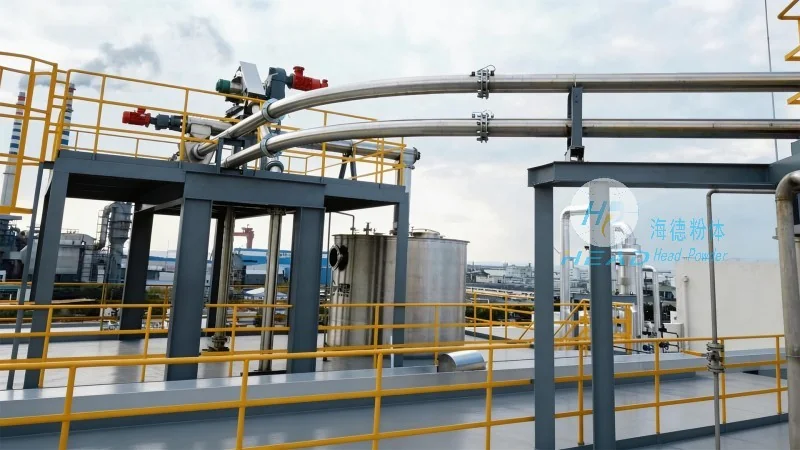
The operation of the grain husk pneumatic conveying system is based on the principle of air pressure to transport solid materials. When the system is activated, the air compressor starts and increases the air pressure inside the conveying pipes. The feeder then introduces the grain husk into the pipe, and the high-pressure air creates a flow that lifts and moves the husk particles along the pipe. The velocity of the air is critical; it must be sufficient to overcome the gravitational force and the friction between the particles and the pipe walls. The system can operate in either positive pressure or negative pressure modes. In positive pressure mode, the air is blown into the pipe, pushing the material forward. In negative pressure mode, the air is drawn out of the pipe, creating a vacuum that pulls the material. The choice between these modes depends on the application and the distance of transport.
Operation Process: Step-by-Step Guide
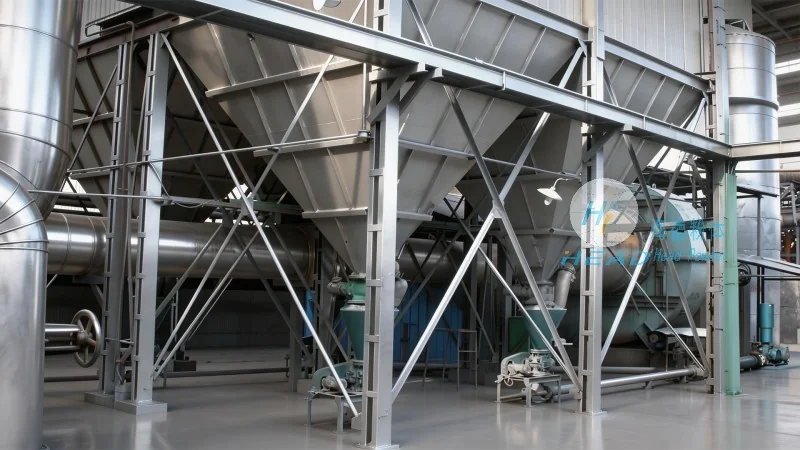
The operation process of the grain husk pneumatic conveying system involves several sequential steps to ensure optimal performance. First, the hopper is filled with grain husk. The feeder is then adjusted to control the flow rate, ensuring a steady supply of material. The air compressor is started, and the pressure is set according to the required conveying capacity. Next, the system is activated, and the husk is fed into the conveying pipe. The air pressure propels the husk through the pipes to the receiver. During operation, the system is monitored for pressure, flow rate, and any blockages. Regular maintenance, such as cleaning the pipes and checking the air compressor, is essential to maintain efficiency. The process continues until the hopper is empty or the required amount of husk has been transported.
Technical Advantages and Applications
The grain husk pneumatic conveying system offers several technical advantages that make it suitable for various industrial applications. One of the main advantages is its ability to transport materials in a closed system, which prevents dust and contamination, ensuring product quality and safety. The system is also highly efficient, with minimal energy consumption compared to traditional methods like belt conveyors. It is suitable for long-distance transport, as the air pressure can maintain the material flow over considerable distances. Additionally, the system is flexible and can be easily integrated into existing production lines. The applications of this system include transporting grain husk from storage to processing units, moving it between different stages of production, and delivering it to storage facilities. The system is particularly useful in industries where hygiene and dust control are critical, such as food processing and animal feed production.
About Shandong HeadPowder Engineering Co., Ltd.
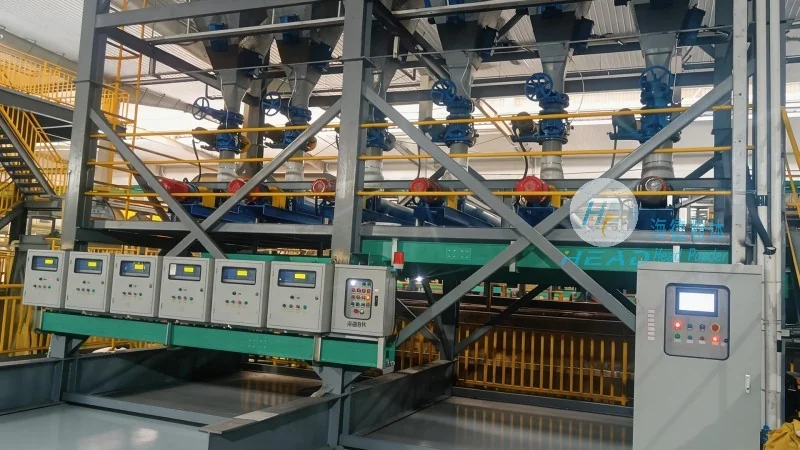
Shandong HeadPowder Engineering Co., Ltd., also known as headpowder, is a leading manufacturer and supplier of pneumatic conveying systems and related equipment. With its headquarters in Shandong, China, the company has established itself as a trusted partner in the industry, providing high-quality, reliable solutions for material handling. The company specializes in designing and manufacturing customized pneumatic conveying systems tailored to the specific needs of its clients. Its products are known for their durability, efficiency, and low maintenance requirements. Headpowder adheres to international quality standards and provides comprehensive after-sales support, ensuring customer satisfaction and long-term partnerships. The company's commitment to innovation and customer service has made it a preferred choice for businesses seeking efficient and reliable material handling solutions.