With more than 10‑year industry experience, Shandong Headpowder delivers full‑service pneumatic‑conveying systems and blowers, undertaking nationwide turn‑key powder‑handling projects.
Synthetic fiber pneumatic conveying systems represent a sophisticated method for transporting bulk materials, particularly synthetic fibers, through a pressurized or vacuum environment. These systems are widely utilized in various industrial applications due to their efficiency, flexibility, and ability to handle delicate or abrasive materials without causing damage. Understanding the operation process and working principle of such systems is crucial for optimizing performance and ensuring reliable material handling. This article provides a detailed overview of the key aspects involved in the operation of synthetic fiber pneumatic conveying systems, with a focus on the technical elements and practical considerations.
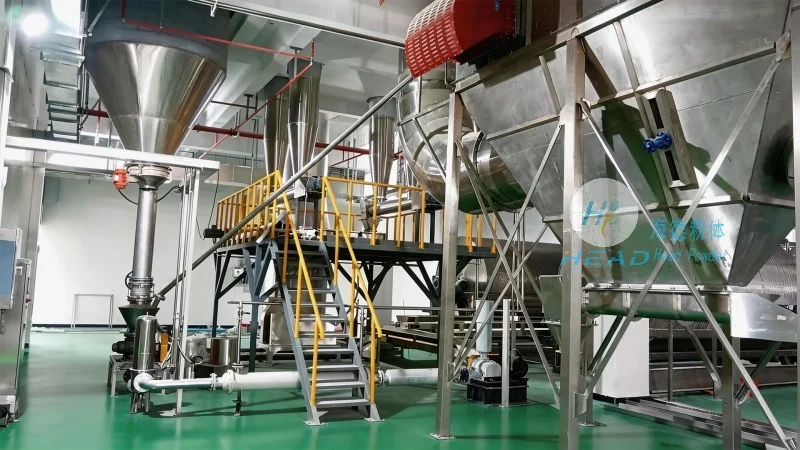
The synthetic fiber pneumatic conveying system consists of several critical components that work in tandem to facilitate material transport. These components include the material hopper or feeder, the air supply system (blower or compressor), the conveying pipeline, the control valves, and the discharge or collection equipment. Each component plays a vital role in the overall functionality of the system. The material hopper is designed to store and feed the synthetic fibers into the system at a controlled rate, ensuring a consistent flow. The air supply system generates the necessary pressure or vacuum to move the fibers through the pipeline. The conveying pipeline, typically made of durable materials like stainless steel or plastic, transports the fibers from the inlet to the outlet. Control valves are used to regulate the air flow and pressure, allowing for precise control over the conveying process. Finally, the discharge equipment collects the fibers at the end of the pipeline, completing the material transport cycle.
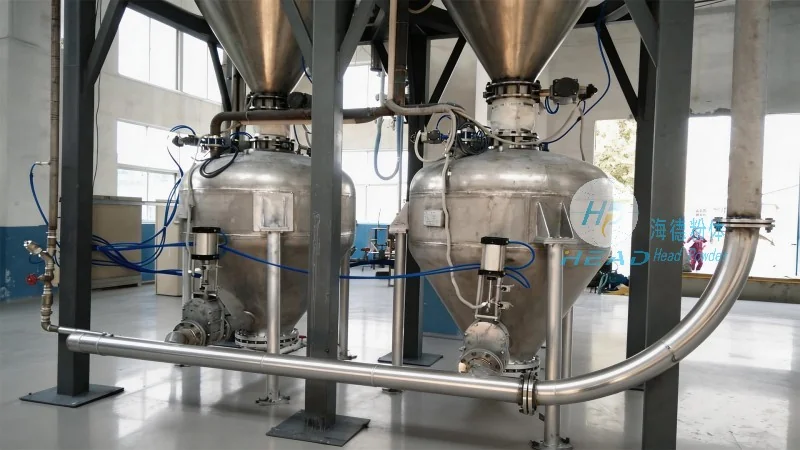
The operation process of a synthetic fiber pneumatic conveying system involves a series of sequential steps that ensure efficient and safe material handling. The process begins with the loading of synthetic fibers into the material hopper. The hopper is equipped with a feeder mechanism that controls the rate at which fibers are released into the system. Simultaneously, the air supply system is activated, generating the required pressure or vacuum. The air is then introduced into the conveying pipeline, creating a flow that propels the fibers forward. As the fibers travel through the pipeline, they are suspended in the air stream, moving from the inlet to the discharge point. At the discharge end, the fibers are collected by the receiving equipment, such as a hopper or storage bin. The control valves are used to adjust the air flow and pressure as needed to maintain optimal conveying conditions. The entire process is typically automated, with sensors and controls monitoring key parameters like pressure, flow rate, and material level to ensure smooth operation.
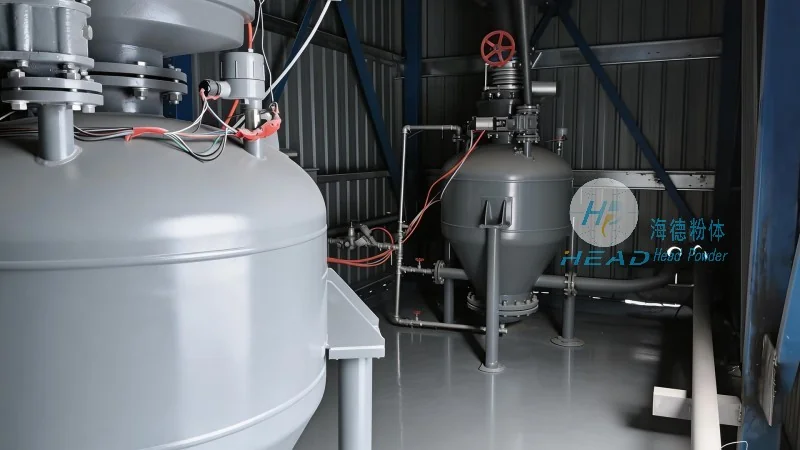
The working principle of synthetic fiber pneumatic conveying systems is based on the fundamental concept of fluidization and suspension of particles in a gas stream. When air is introduced into the conveying pipeline at a sufficient velocity, it creates a fluidized bed of synthetic fibers, lifting them off the pipeline walls and moving them through the system. The key to effective conveying lies in achieving the right air velocity and pressure to maintain the fibers in a suspended state without causing excessive wear or degradation. The system operates by creating a pressure differential between the inlet and outlet, which drives the material flow. In a pressurized system, the air is supplied at a higher pressure than the ambient environment, pushing the fibers through the pipeline. In a vacuum system, the air is drawn from the pipeline, creating a negative pressure that pulls the fibers from the hopper into the system. The choice between pressurized and vacuum operation depends on the specific application requirements, such as the distance to be covered and the material characteristics.
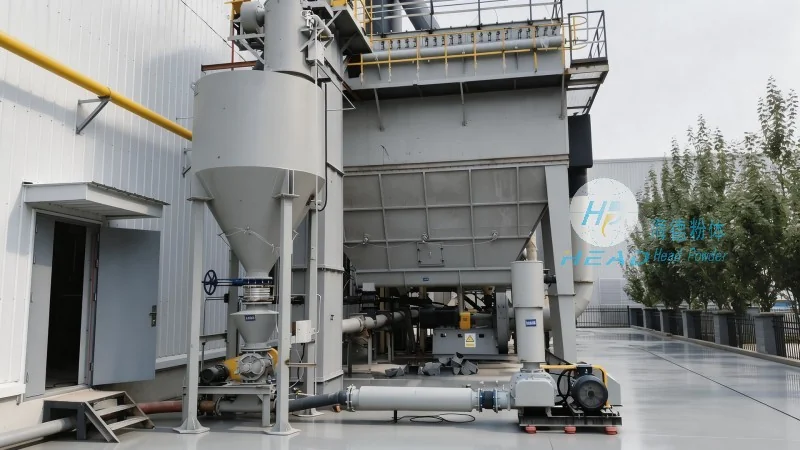
Shandong HeadPowder Engineering Co., Ltd. is a leading manufacturer and supplier of pneumatic conveying systems, specializing in solutions for synthetic fiber applications. With a strong presence in China, particularly in Shandong province, the company has built a reputation for delivering high-quality, reliable equipment tailored to the needs of various industries. The company's expertise lies in designing and manufacturing systems that meet stringent performance and safety standards, ensuring efficient and safe material handling for synthetic fibers. The company's facilities are equipped with advanced technology and skilled personnel, enabling them to provide comprehensive solutions, including system design, installation, and maintenance services. By leveraging their experience and innovation, Shandong HeadPowder Engineering Co., Ltd. continues to serve clients across diverse sectors, contributing to the advancement of material handling technologies.

 Shandong Headpowder Engineering Co., Ltd.
 156-6277-7102(Manager Zhang)
  0531-83386006
  Zhangqiu District, Jinan City, Shandong Province, China
telephone
WeChatconsult
top