With more than 10‑year industry experience, Shandong Headpowder delivers full‑service pneumatic‑conveying systems and blowers, undertaking nationwide turn‑key powder‑handling projects.
Cereal material pneumatic conveying lines are essential systems in the food processing industry, particularly for handling bulk materials like flakes, granules, and other dry cereal products. These systems efficiently transport materials from one processing stage to another, ensuring smooth operations and maintaining product quality. The technology behind these lines combines principles of fluid dynamics and mechanical engineering to achieve reliable, low-maintenance material transport. This article explores the fundamental principles of pneumatic conveying for cereal materials and highlights key characteristics of working scenes where such systems are typically deployed.
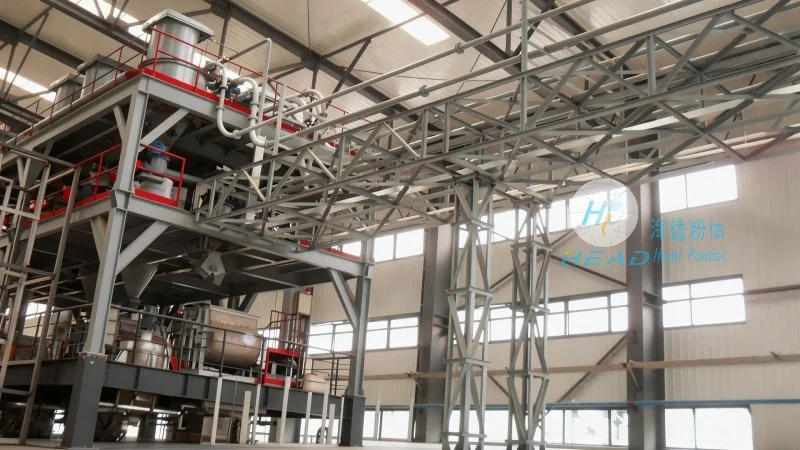
The operation of a cereal material pneumatic conveying line is based on the movement of material particles within a gas stream. There are two primary types of pneumatic conveying systems: positive pressure and negative pressure. Positive pressure systems use a blower or fan to generate air pressure that pushes material through a pipeline, while negative pressure systems create a vacuum to draw material into the system. For cereal materials, which are often light and prone to dust, positive pressure systems are commonly preferred due to their ability to maintain consistent air pressure and prevent material degradation. The system typically consists of a hopper, a conveyor line, and a discharge point, with optional components like filters and cyclones to manage dust and ensure environmental compliance. The air velocity within the pipeline is carefully controlled to prevent material deposition or blockages, which is critical for maintaining system efficiency and longevity.
The working scenes where cereal material pneumatic conveying lines are deployed vary based on production scale, product type, and operational requirements. In small to medium-sized cereal processing facilities, these systems are often integrated into existing production lines to handle raw material intake or intermediate product transfer. For example, in a breakfast cereal manufacturing plant, a pneumatic conveying line might transport raw oats or wheat flakes from storage silos to the milling and flaking units. The system's compact design and ability to operate in confined spaces make it ideal for such applications. In larger industrial settings, such as bulk cereal processing plants or integrated food production complexes, the pneumatic conveying line may form part of a larger material handling network, connecting multiple processing stages and storage areas. These systems are designed to handle high throughput volumes, often operating continuously for extended periods, which requires robust construction and reliable maintenance protocols. The working environment in these scenes includes considerations for dust control, as cereal materials are inherently dusty, and the need for hygienic design to meet food safety regulations. Additionally, the integration of automation and control systems allows for real-time monitoring of material flow and system performance, enhancing operational efficiency and reducing downtime.
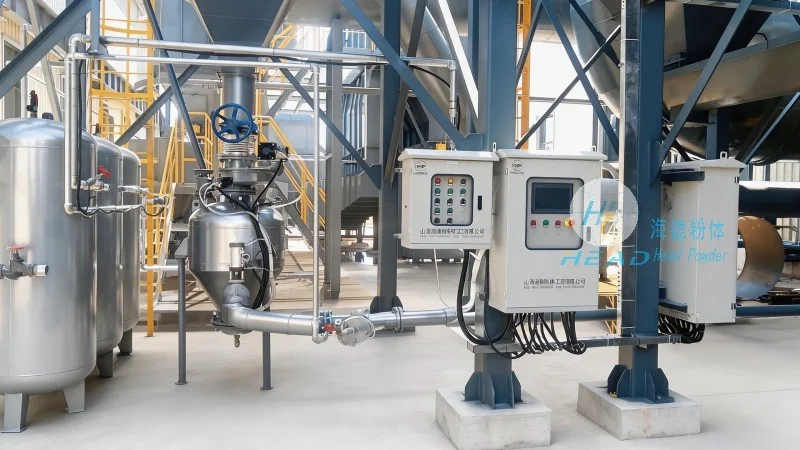
When evaluating cereal material pneumatic conveying lines, several key features and advantages stand out in practical applications. One of the most significant benefits is the ability to transport materials over long distances without the need for intermediate transfer points, which simplifies the overall production layout and reduces labor costs. The systems are also highly adaptable, allowing for changes in material type or processing requirements with minimal modifications. For instance, a system originally designed for transporting corn flakes can be reconfigured to handle wheat bran or other cereal byproducts with adjustments to air flow and pipeline diameter. Another advantage is the reduced risk of material contamination compared to mechanical conveying systems, as there are no moving parts in direct contact with the product. This is particularly important in food processing where hygiene is paramount. Furthermore, the energy efficiency of modern pneumatic conveying systems has improved significantly, with advanced blower designs and optimized air flow reducing operational costs. These features make the systems attractive for both new installations and retrofits in existing cereal processing facilities.
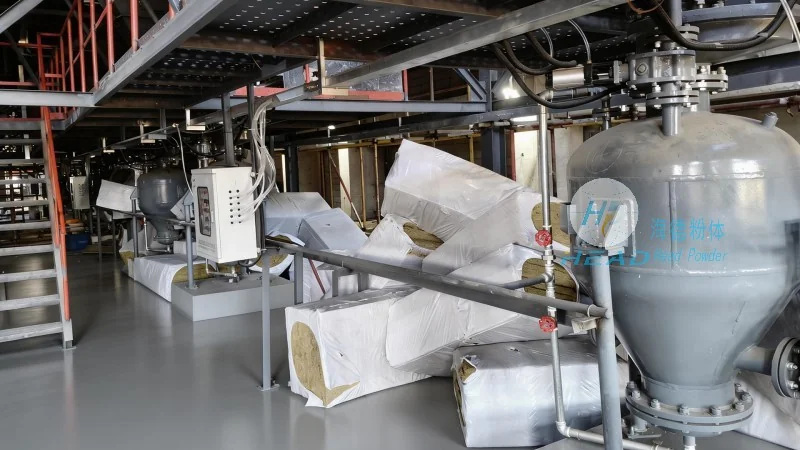
Operational scenarios for cereal material pneumatic conveying lines involve several technical considerations to ensure optimal performance and longevity. Material properties, such as particle size, density, and moisture content, play a crucial role in system design. For example, fine particles like flour may require higher air velocities and specialized filters to prevent clogging, while larger flakes like corn flakes can be handled with lower air speeds. The system's capacity is determined by factors like the material's bulk density and the desired conveying rate, which must be matched to the overall production throughput. Maintenance is another critical aspect, as regular cleaning of filters, cyclones, and pipeline components is necessary to prevent dust accumulation and maintain air quality. In industrial settings, scheduled maintenance programs are typically implemented to minimize downtime and ensure consistent performance. The use of durable materials, such as stainless steel for pipelines and components, enhances the system's resistance to corrosion and wear, especially in environments where cereal materials may contain acidic or abrasive components. Additionally, the integration of monitoring systems, such as pressure sensors and flow meters, allows operators to detect potential issues early and take corrective action, further improving system reliability.
In conclusion, cereal material pneumatic conveying lines are indispensable components of modern cereal processing operations. By leveraging principles of fluid dynamics and mechanical engineering, these systems provide efficient, reliable, and hygienic material transport solutions. The working scene characteristics, ranging from small-scale processing to large industrial facilities, highlight the versatility and adaptability of pneumatic conveying technology. As cereal processing industries continue to evolve, the demand for advanced material handling systems will remain high, with companies like Shandong HeadPowder Engineering Co., Ltd. (headpowder) playing a key role in providing innovative solutions that meet the industry's needs. The combination of technical expertise, robust design, and practical application considerations ensures that pneumatic conveying lines remain a preferred choice for cereal material transport, contributing to the overall efficiency and success of food processing operations.

 Shandong Headpowder Engineering Co., Ltd.
 156-6277-7102(Manager Zhang)
  0531-83386006
  Zhangqiu District, Jinan City, Shandong Province, China
telephone
WeChatconsult
top