With more than 10‑year industry experience, Shandong Headpowder delivers full‑service pneumatic‑conveying systems and blowers, undertaking nationwide turn‑key powder‑handling projects.
HeadPowder, a leading engineering firm based in Shandong, China, specializes in the design and manufacturing of advanced pneumatic conveying systems tailored for the handling of monosodium glutamate (MSG) materials. This article delves into the fundamental principles behind these systems and highlights the key characteristics of their operational environments.
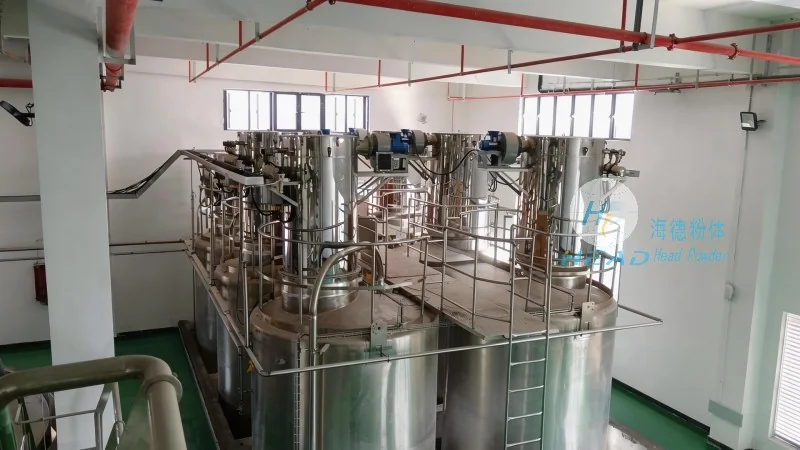
Monosodium glutamate, commonly known as MSG, is a widely used flavor enhancer in the food industry. The efficient and hygienic transport of MSG from storage silos to processing lines is crucial for maintaining product quality and operational efficiency. Pneumatic conveying systems offer a solution that minimizes contamination risks and ensures smooth material flow. These systems utilize air pressure to move granular or powdered materials like MSG through a network of pipes, making them ideal for applications where traditional mechanical conveyors may not be suitable.
The fundamental principle of pneumatic conveying for monosodium glutamate involves the use of compressed air to create a flow of material within a closed pipeline. The process typically operates under either positive pressure (pressure conveying) or negative pressure (suction conveying), depending on the specific application requirements. In pressure conveying, air is forced into the system, pushing the MSG particles forward. Suction conveying, on the other hand, draws the material into the system using a vacuum. Both methods are effective for MSG, but the choice depends on factors such as the distance of transport, the volume of material, and the need for dust control.
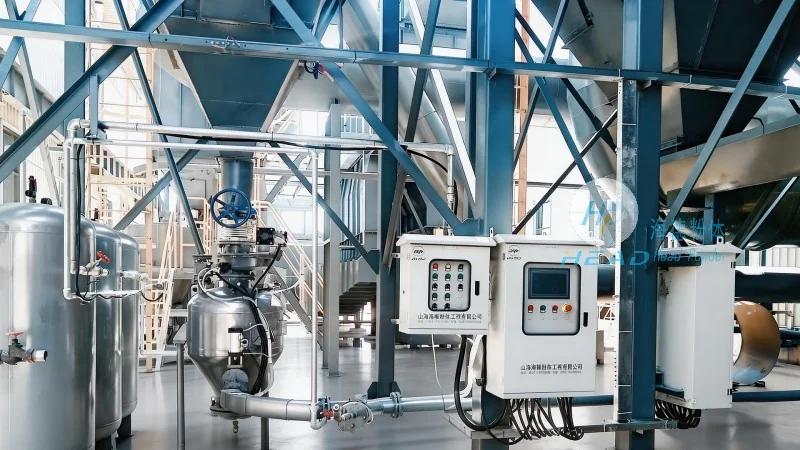
A typical monosodium glutamate pneumatic conveying system consists of several critical components, each playing a vital role in the overall operation. These include the material hopper, which stores the MSG and feeds it into the system; the feeder, which controls the flow rate of the material; the conveying line, which transports the MSG through the pipeline; the separator, which removes excess air from the material stream; and the discharge point, where the MSG is deposited at the processing location. Each component is designed to handle the specific characteristics of MSG, such as its fine particle size and hygroscopic nature, ensuring minimal product degradation and maximum system efficiency.
The operational environment for monosodium glutamate pneumatic conveying systems in industrial settings is characterized by several key features that influence system design and performance. First, the need for high hygiene standards is paramount, as MSG is a food-grade product. The systems are constructed from materials like stainless steel, which are easy to clean and resistant to corrosion. Second, the systems must be capable of handling the fine, powdery nature of MSG without causing excessive dust or clogging. This requires careful selection of equipment, such as high-efficiency filters and appropriate pipe diameters. Third, the systems are often integrated into larger production lines, requiring seamless coordination with other equipment like mixers, blenders, and packaging machines. The ability to maintain consistent material flow rates and avoid interruptions is essential for maintaining production efficiency.
Pneumatic conveying systems offer several advantages when used for monosodium glutamate material handling. One of the most significant benefits is the reduction of contamination risks. Unlike mechanical conveyors, which may come into direct contact with the material, pneumatic systems keep the MSG enclosed within the pipeline, minimizing exposure to external contaminants. This is particularly important for food-grade products where purity is a top priority. Additionally, pneumatic systems provide better control over material flow, allowing for precise adjustment of flow rates and pressure. This ensures that the MSG is transported at the optimal speed, reducing the risk of product degradation or clogging. Another advantage is the ability to handle long-distance transport without the need for multiple transfer points, which can improve overall system efficiency and reduce maintenance costs.
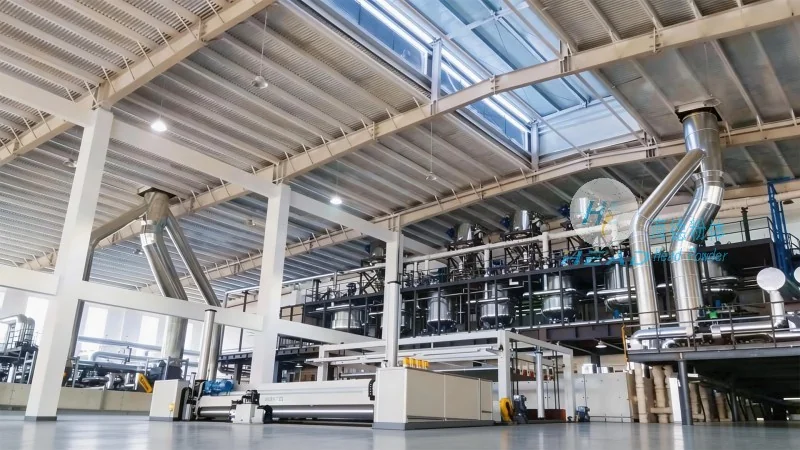
Monosodium glutamate pneumatic conveying systems are commonly used in various industrial settings, including food processing plants, chemical manufacturing facilities, and research laboratories. In a typical food processing plant, the system might be used to transport MSG from a storage silo to a blending machine, where it is mixed with other ingredients to create flavor enhancers for various food products. The system would operate continuously during production hours, ensuring a steady supply of MSG to the blending line. In a chemical manufacturing facility, the system might be used to transport MSG for further processing into other chemical compounds, where the precise control of material flow is critical to maintaining product quality. The operational scenarios vary depending on the specific application, but all share the common goal of efficient, hygienic, and reliable material transport.
Monosodium glutamate pneumatic conveying systems represent a sophisticated solution for the efficient handling of this important food ingredient. By leveraging the principles of air pressure and material flow, these systems provide a hygienic, reliable, and efficient method for transporting MSG from storage to processing lines. As the food industry continues to demand higher standards of quality and efficiency, the importance of such systems will only grow. Future trends may include the integration of advanced control systems, such as sensors and automation, to further enhance system performance and reduce operational costs. However, the core principles and advantages of pneumatic conveying for MSG will remain relevant, ensuring that these systems continue to play a vital role in the industry for years to come.

 Shandong Headpowder Engineering Co., Ltd.
 156-6277-7102(Manager Zhang)
  0531-83386006
  Zhangqiu District, Jinan City, Shandong Province, China
telephone
WeChatconsult
top