With more than 10‑year industry experience, Shandong Headpowder delivers full‑service pneumatic‑conveying systems and blowers, undertaking nationwide turn‑key powder‑handling projects.
In the complex landscape of modern metallurgy and manufacturing, the foundry industry stands as a cornerstone for producing essential metal components. The heart of every foundry operation is the sand casting process, which relies heavily on the properties and handling of molding sand. Sand casting is an ancient yet highly adaptable technique used to produce metal parts of varying sizes and shapes. However, the efficiency of this process is inextricably linked to the quality and speed of material handling. The continuous movement of raw materials and the removal of waste sand are critical bottlenecks that determine the overall productivity of a foundry. Without a robust and efficient transport system, the casting line can become clogged, leading to downtime, increased costs, and compromised product quality. Therefore, understanding the various methods of sand transport is essential for foundry managers and engineering professionals seeking to optimize their production lines.
For decades, foundries have relied on traditional mechanical methods to move bulk materials. The most common form of mechanical transport is the belt conveyor system. Belt conveyors are widely used due to their simplicity, reliability, and ability to handle large volumes of sand over long distances. They are ideal for horizontal or slightly inclined movement, providing a continuous flow of material from storage hoppers to molding machines. However, belt conveyors are not without their drawbacks. They require significant floor space and are susceptible to spillage if not properly maintained, which can lead to dust pollution and safety hazards.
Another traditional method is the bucket elevator, which is specifically designed for vertical lifting. This machinery uses a series of buckets attached to a rotating belt or chain to scoop up loose sand and elevate it to a higher level. While highly effective for vertical transport, bucket elevators can be noisy and require regular maintenance to prevent bucket breakage. Additionally, screw conveyors are often employed for short-distance transport within confined spaces. These helical screws rotate to push the sand along a trough. While screw conveyors are compact and enclosed, they are prone to high wear and tear due to the abrasive nature of sand, often requiring frequent replacement of the screw flights.
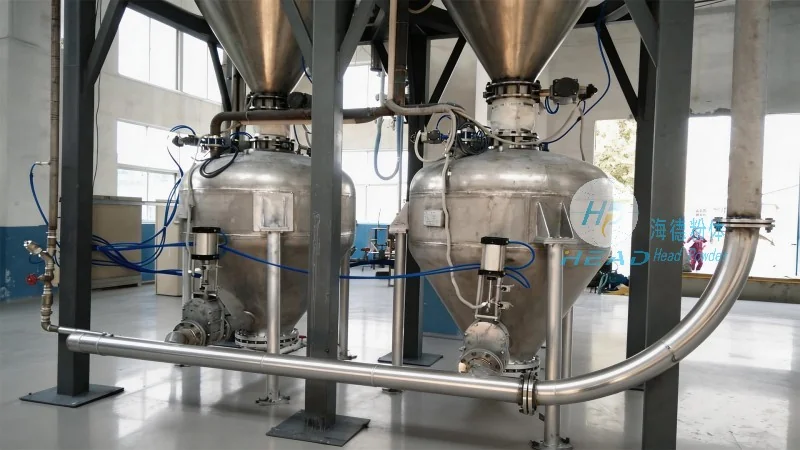
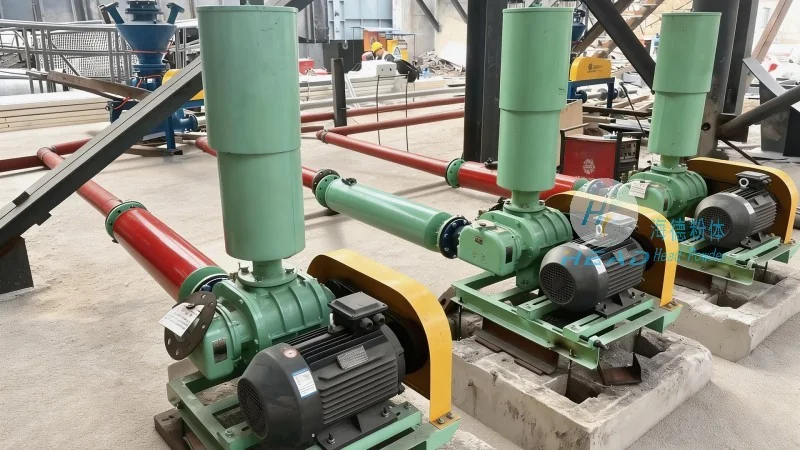
As environmental regulations tighten and the demand for cleaner, more automated foundries increases, the focus has shifted towards pneumatic conveying systems. Pneumatic conveying utilizes air pressure or vacuum to move bulk materials through a pipeline system. Unlike mechanical conveyors, which rely on physical contact with the material, pneumatic conveying uses air as the primary transport medium. This technology has revolutionized the industry by addressing the major limitations of traditional methods. The shift towards pneumatic systems is driven by the need for a dust-free environment, the desire to reduce manual labor, and the requirement for more flexible plant layouts.
At the forefront of this technological advancement is the specialized field of sand pneumatic conveying. This method involves transporting molding sand through a closed pipeline using a controlled flow of air. The process can be categorized into two main types: dilute phase and dense phase conveying. Dilute phase conveying uses high-velocity air to suspend the sand particles, making it suitable for short to medium distances. Dense phase conveying, on the other hand, uses low-velocity air to push the sand in a plug-like motion, which is ideal for longer distances and for conveying materials that are sensitive to abrasion or breakage.
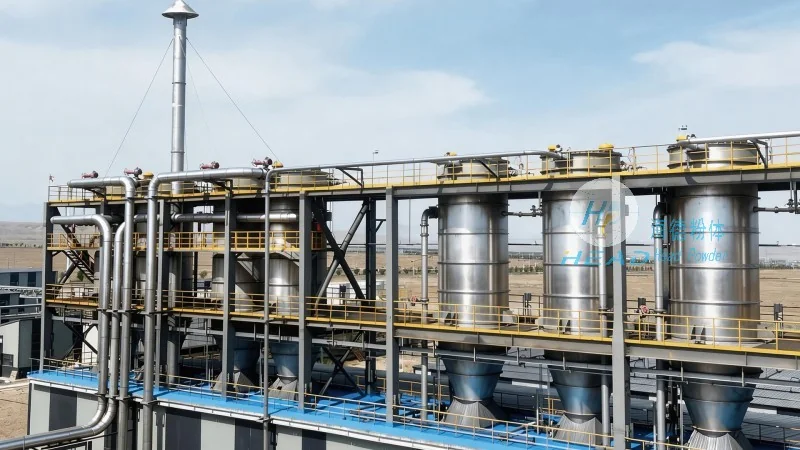
The benefits of implementing a pneumatic conveying system are substantial. First and foremost, it creates a sealed environment, effectively eliminating dust emissions. This not only protects the health of workers but also helps foundries comply with stringent environmental standards. Secondly, pneumatic conveying systems are incredibly flexible. They can transport sand around corners, up and down inclines, and through multiple drop points without the need for complex mechanical transitions. This flexibility allows for a more compact and organized plant layout. Furthermore, because the system is fully enclosed, there is no risk of material spillage, which significantly reduces material waste. Finally, these systems require less maintenance compared to mechanical conveyors, as there are no moving parts in contact with the abrasive sand, resulting in lower operational costs over the system's lifespan.
When it comes to implementing advanced material handling solutions, choosing the right partner is crucial. Shandong Headpowder Engineering Co., Ltd. has established itself as a premier manufacturer and supplier in the field of bulk material handling. Specializing in the design, manufacture, and installation of conveying systems, the company is dedicated to providing high-quality solutions that meet the rigorous demands of the foundry industry. Their expertise spans a wide range of applications, from small-scale workshops to large, automated foundries.
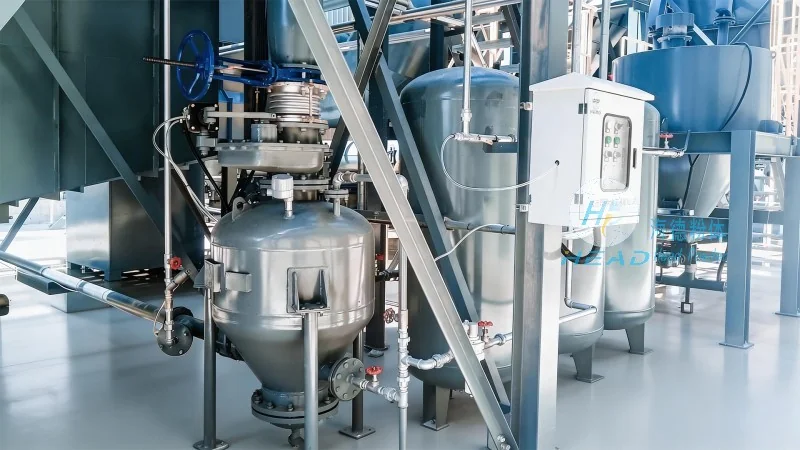
Headpowder, as the company is commonly known, is headquartered in Shandong, China, a region known for its robust engineering and manufacturing capabilities. The company is driven by a philosophy of innovation and customer-centric service. They understand that every foundry has unique challenges, whether it is the specific type of sand used, the layout of the facility, or the production volume. Consequently, Headpowder does not offer generic solutions; instead, they provide customized designs tailored to the specific needs of each client. Their product portfolio includes a variety of pneumatic conveying systems, belt conveyors, and bucket elevators, all designed to ensure seamless integration into existing production lines.
Headpowder Engineering prides itself on its technical expertise in sand conveying and material handling. Their engineering team utilizes advanced simulation software to optimize the flow dynamics of their systems, ensuring efficient and reliable performance. Whether it is a dilute phase system for quick turnover or a dense phase system for delicate materials, Headpowder ensures that the system is designed for longevity and efficiency. Their commitment to quality is reflected in the use of high-grade materials and precision manufacturing processes. By focusing on the core aspects of material transport, Headpowder helps foundries reduce energy consumption and improve overall throughput.

 Shandong Headpowder Engineering Co., Ltd.
 156-6277-7102(Manager Zhang)
  0531-83386006
  Zhangqiu District, Jinan City, Shandong Province, China
telephone
WeChatconsult
top