With more than 10‑year industry experience, Shandong Headpowder delivers full‑service pneumatic‑conveying systems and blowers, undertaking nationwide turn‑key powder‑handling projects.
Iron sand, known for its high density and abrasive nature, presents unique challenges in industrial material handling. Unlike standard powders, iron sand requires specialized equipment to ensure efficient, safe, and continuous transport without causing damage to the conveying system or the environment. Shandong Headpowder Engineering Co., Ltd. has established itself as a leader in providing robust solutions for this demanding material. By leveraging advanced engineering principles, the company specializes in optimizing the movement of heavy and abrasive materials, ensuring operational efficiency for clients across various sectors. The core of their service revolves around the precise engineering of systems designed to handle the rigors of iron sand transport, offering a reliable alternative to traditional mechanical methods.
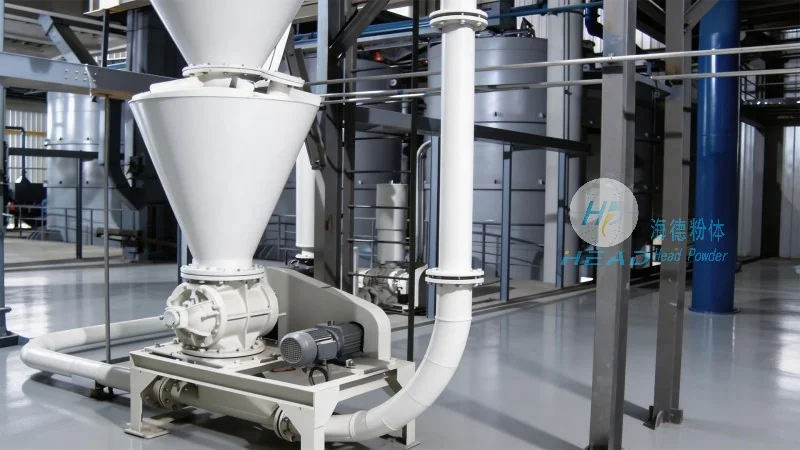
Efficient iron sand transport is critical for industries such as foundries, sandblasting, and metal processing. The primary goal is to move large volumes of material from a storage point to a processing unit or a packaging area with minimal loss and downtime. Shandong Headpowder Engineering Co., Ltd. approaches this challenge by focusing on the specific physical properties of iron sand. Because the material is heavy and prone to abrasion, standard conveyor belts or screws often suffer from rapid wear and tear. Therefore, the engineering team prioritizes systems that can withstand these harsh conditions while maintaining a steady flow rate. The company’s expertise lies in tailoring these systems to the specific volume and distance requirements of each project, ensuring that the iron sand is moved precisely where it is needed.
Among the various methods available, iron sand pneumatic conveying stands out as the most effective and modern solution. This technology utilizes air pressure to move iron sand through a closed pipeline system. Unlike mechanical conveyors that rely on moving parts, pneumatic conveying systems are sealed, which prevents dust leakage and protects the operator from inhaling fine particles. Shandong Headpowder Engineering Co., Ltd. excels in designing these complex systems, which operate based on the principles of fluid dynamics. In this process, iron sand is mixed with air and transported through pipes to the destination. This method is particularly advantageous for iron sand because it allows for the handling of large quantities over long distances without the need for intermediate transfer points, which are often points of failure in mechanical systems.

Implementing a pneumatic conveying system for iron sand offers numerous operational benefits. One of the most significant advantages is the environmental protection it provides. Since the system is fully enclosed, there is virtually no dust emission, which is crucial for maintaining air quality in the facility and complying with environmental regulations. Additionally, the safety aspect cannot be overstated. Iron sand is an abrasive material that can cause sparks if it rubs against metal surfaces, posing a fire hazard. Pneumatic conveying systems eliminate this risk by using air as the transport medium, ensuring a non-sparking environment. Shandong Headpowder Engineering Co., Ltd. ensures that every system designed meets stringent safety standards, providing peace of mind to facility managers and operators.
When designing a system for iron sand, engineers must choose between different pneumatic conveying modes. Shandong Headpowder Engineering Co., Ltd. experts analyze the specific requirements of the project to recommend the most suitable method. The two primary categories are dilute phase and dense phase conveying. Dilute phase conveying is typically used for shorter distances and higher flow rates. It involves using high-velocity air to suspend the iron sand particles in the air stream. In contrast, dense phase conveying is ideal for longer distances and larger particle sizes. It uses a lower velocity and higher pressure to push the material along the pipe. This method significantly reduces the wear on both the pipe and the iron sand particles themselves. The company’s engineers meticulously calculate these parameters to ensure optimal performance and longevity of the equipment.
A comprehensive approach to material handling involves more than just the transport mechanism; it requires a holistic view of the facility's workflow. Shandong Headpowder Engineering Co., Ltd. integrates the iron sand transport system seamlessly into the client's existing operations. This includes the design of feeding hoppers, transfer stations, and receiving silos. The company understands that every millimeter of pipe layout and every valve selection impacts the overall efficiency of the material handling process. By focusing on the details, they ensure that the iron sand flows smoothly from the raw material storage to the end-use application. This meticulous attention to detail is what sets their systems apart in the competitive market of industrial material handling.
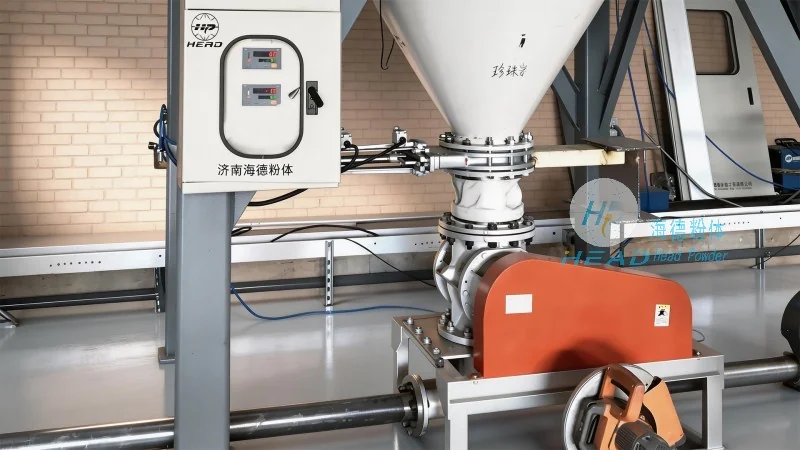
Shandong Headpowder Engineering Co., Ltd. is a premier provider of engineering solutions for iron sand transport and general material handling. Located in Shandong, China, the company combines local manufacturing capabilities with global engineering standards. Their team of experienced professionals is dedicated to delivering customized solutions that address the unique challenges of handling abrasive materials. Whether it is a small-scale workshop or a large industrial plant, the company provides scalable and reliable systems. Their commitment to quality ensures that every component, from the blower to the pipeline, is built to last. For businesses seeking to upgrade their material handling infrastructure, partnering with a company that specializes in this niche is essential for long-term success.
For clients interested in optimizing their material handling processes, direct engagement with the engineering team is crucial. Shandong Headpowder Engineering Co., Ltd. encourages potential clients to discuss their specific needs with their experienced staff. The company is led by professionals who understand the intricacies of industrial transport systems. For inquiries and detailed consultations regarding iron sand transport solutions, interested parties are advised to contact the company directly. The team is ready to provide technical support and assistance, ensuring that clients receive the guidance needed to select and implement the best possible system for their operations.

 Shandong Headpowder Engineering Co., Ltd.
 156-6277-7102(Manager Zhang)
  0531-83386006
  Zhangqiu District, Jinan City, Shandong Province, China
telephone
WeChatconsult
top