With more than 10‑year industry experience, Shandong Headpowder delivers full‑service pneumatic‑conveying systems and blowers, undertaking nationwide turn‑key powder‑handling projects.
HeadPowder, a professional manufacturer based in Shandong, China, specializes in the design, production, and supply of rotary lobe blower material pneumatic conveying equipment. This article aims to provide a detailed explanation of the working principles and typical application scenarios of such equipment, helping potential users understand its functionality and suitability for various industrial processes.
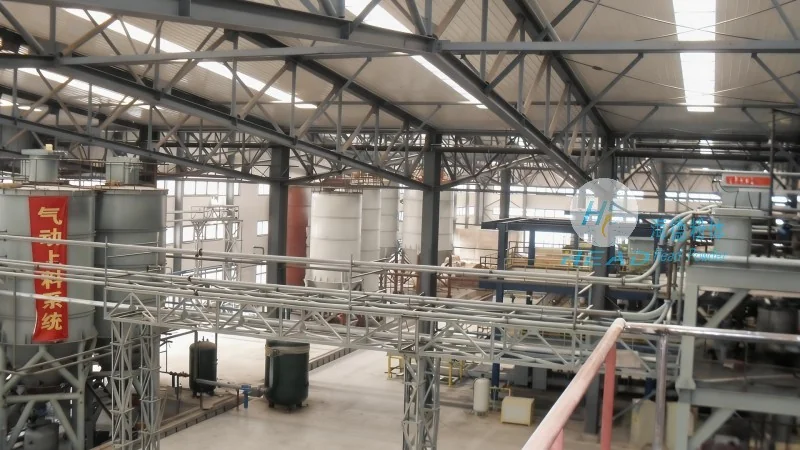
The core of rotary lobe blower material pneumatic conveying equipment lies in the unique design of its blower, which consists of two interlocking lobes (rotors) that rotate within a casing. As the lobes turn, they create a series of sealed cavities that draw in air and material from the inlet and then transport them to the outlet. This positive displacement mechanism ensures a consistent and reliable flow of material, making it ideal for handling a wide range of bulk materials, including powders, granules, and even fine particles. The blower's ability to generate high-pressure air without the need for oil or lubricants is a key advantage, as it minimizes contamination risks and simplifies maintenance.
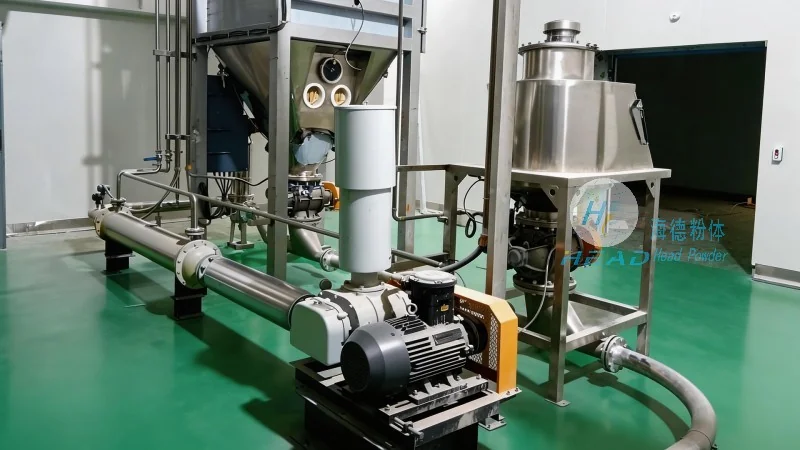
To ensure efficient operation, rotary lobe blower material pneumatic conveying systems typically include several critical components. The blower itself is the heart of the system, responsible for generating the necessary air pressure. The inlet and outlet ducts connect the blower to the material source and destination, respectively. A filter or separator may be included to remove any entrained particles from the air stream, protecting downstream equipment and maintaining air quality. Additionally, a control valve or regulator can be used to adjust the air flow rate, allowing for precise control over the conveying process. The entire system is designed to work in harmony, ensuring that material is transported safely and efficiently from one location to another.
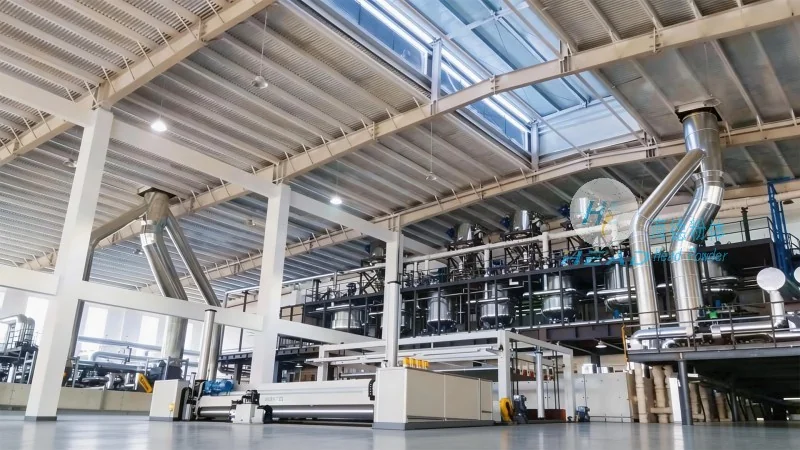
Rotary lobe blower material pneumatic conveying equipment is widely used in various industrial sectors due to its versatility and adaptability. In the food and pharmaceutical industries, for example, the equipment is employed to transport dry powders and granules, such as flour, sugar, or pharmaceutical powders, where hygiene and contamination control are paramount. The oil-free operation of the blower makes it suitable for these applications, as it prevents cross-contamination and maintains product purity. In the chemical industry, the equipment is used to handle a variety of powders and granules, including chemicals, pigments, and fertilizers, where the ability to convey materials under controlled conditions is essential. The positive displacement nature of the blower ensures that the material is conveyed at a consistent rate, reducing the risk of blockages or uneven flow.
One of the primary advantages of rotary lobe blower material pneumatic conveying systems is their ability to handle a wide range of materials, from fine powders to larger granules. This makes them suitable for applications where the material characteristics vary, such as in mixing or blending operations. Another advantage is the relatively low maintenance requirements, as the blower components are designed to be durable and long-lasting. However, it is important to consider the specific requirements of the working environment when selecting a system. For example, in high-temperature applications, the blower may need to be equipped with cooling systems to prevent overheating. Similarly, in applications involving abrasive materials, the blower components may need to be made of more durable materials to extend their service life.
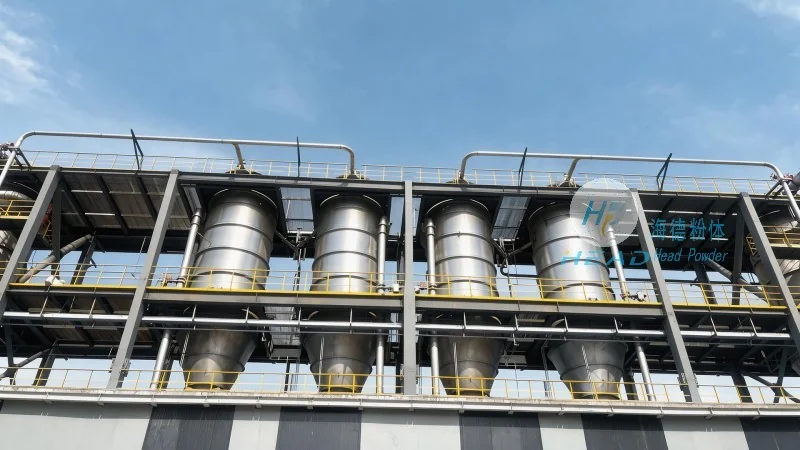
Rotary lobe blower material pneumatic conveying equipment plays a crucial role in modern industrial processes, providing an efficient and reliable method for transporting bulk materials. By understanding the working principles and typical application scenarios of such equipment, users can make informed decisions about its implementation in their operations. The equipment's versatility, adaptability, and low maintenance requirements make it an attractive choice for a wide range of industries, contributing to improved productivity and operational efficiency. As a leading manufacturer in China, HeadPowder continues to innovate and provide high-quality solutions to meet the evolving needs of the market.

 Shandong Headpowder Engineering Co., Ltd.
 156-6277-7102(Manager Zhang)
  0531-83386006
  Zhangqiu District, Jinan City, Shandong Province, China
telephone
WeChatconsult
top