With more than 10‑year industry experience, Shandong Headpowder delivers full‑service pneumatic‑conveying systems and blowers, undertaking nationwide turn‑key powder‑handling projects.
HeadPowder, a leading manufacturer based in Shandong, China, specializes in the design and production of advanced pneumatic conveying systems. Our company, Shandong HeadPowder Engineering Co., Ltd., has been dedicated to providing efficient and reliable solutions for material handling in various industrial sectors. This article explores the fundamental principles behind continuous quantitative material pneumatic conveying equipment and highlights its key application scenarios.
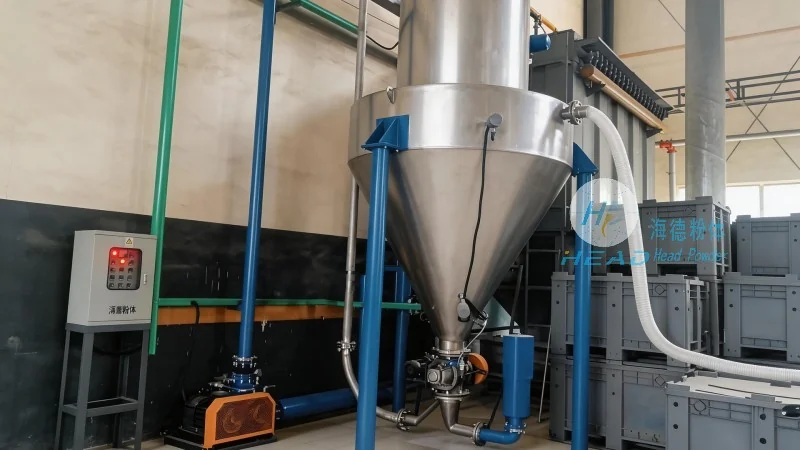
HeadPowder, operating from its headquarters in Shandong, China, is committed to delivering high-quality pneumatic conveying equipment tailored to meet the diverse needs of modern industries. With years of experience in the field, our team of engineers and technicians has developed a deep understanding of material flow dynamics and the challenges associated with efficient bulk material transport. By leveraging cutting-edge technology and rigorous quality control processes, we ensure that our products meet the highest standards of performance and durability.
Continuous quantitative material pneumatic conveying equipment operates on the principle of using air or other gases to transport bulk materials in a sealed system. The system typically consists of a feeding device, a conveying pipeline, a control unit, and a discharge mechanism. The core of the system is the air compressor, which generates the necessary pressure to move the material through the pipeline. The feeding device, often a rotary valve or a screw feeder, ensures a steady and controlled flow of material into the pipeline. As the material is introduced, it is mixed with the air stream, creating a slurry-like mixture that travels through the pipeline under pressure. The control unit monitors and adjusts the air pressure and flow rate to maintain a consistent material delivery rate. The discharge mechanism, such as a rotary valve or a pressure relief valve, regulates the release of material at the destination point. This process allows for precise and continuous control over the quantity of material being conveyed, making it ideal for applications where accuracy and reliability are critical.
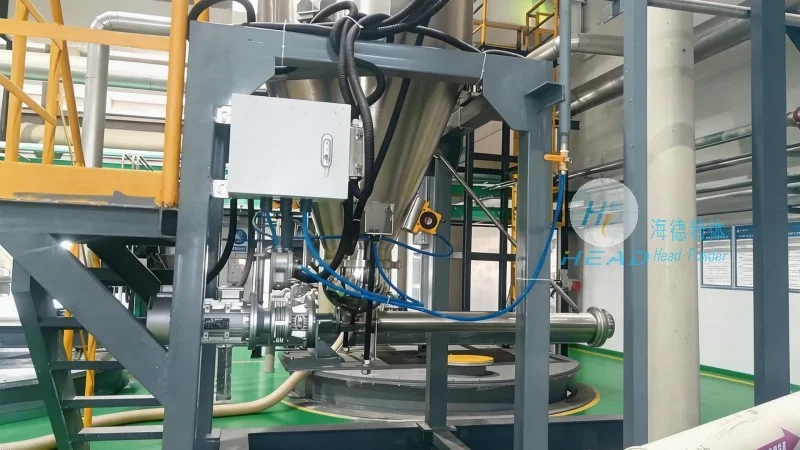
Continuous quantitative pneumatic conveying systems offer several advantages over traditional mechanical conveying methods. Firstly, they provide a dust-free and hygienic environment, which is essential for industries dealing with food, pharmaceuticals, or sensitive materials. The sealed pipeline prevents contamination and reduces the risk of material loss or spillage. Secondly, these systems are highly flexible and can be easily integrated into existing production lines. They can transport materials over long distances and through multiple points of discharge, adapting to the specific layout of a facility. Thirdly, the equipment is energy-efficient and can handle a wide range of materials, including powders, granules, and even bulk solids. The ability to adjust the air pressure and flow rate allows for optimal performance under varying load conditions. Additionally, the system is low-maintenance, with fewer moving parts compared to mechanical conveyors, reducing downtime and operational costs.
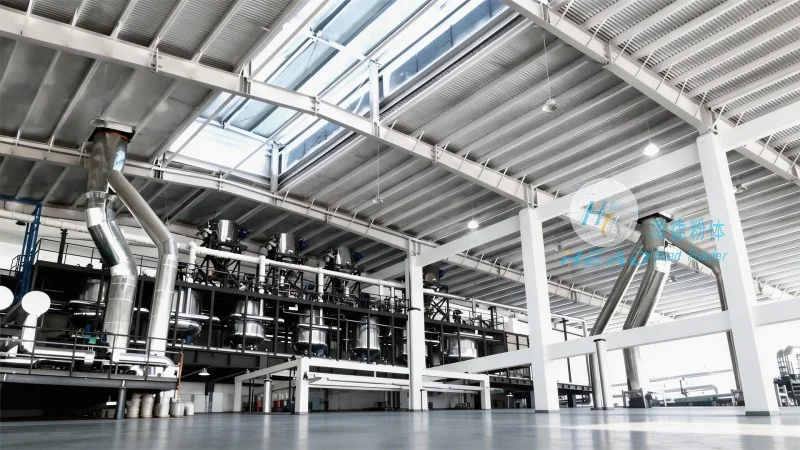
The versatility of continuous quantitative material pneumatic conveying equipment makes it suitable for a wide array of industrial applications. In the chemical industry, it is commonly used to transport raw materials and finished products, such as powders and granules, between processing units. The precise control over material flow ensures that the production process remains consistent and efficient. In the food and beverage sector, these systems are employed to handle ingredients like flour, sugar, and spices, maintaining the quality and hygiene standards required by regulatory bodies. The pharmaceutical industry also benefits from this technology, as it allows for the safe and controlled transport of active pharmaceutical ingredients (APIs) and other sensitive materials. The sealed system prevents cross-contamination and ensures that the materials remain in their original state. In the mining and minerals industry, pneumatic conveying is used to transport ore and other bulk materials from storage facilities to processing plants. The ability to handle abrasive materials without causing wear and tear on the equipment makes it a preferred choice. Furthermore, in the agricultural sector, these systems are utilized to transport grains, seeds, and other agricultural products, facilitating efficient storage and distribution. The consistent delivery rate helps in maintaining inventory levels and reducing waste.
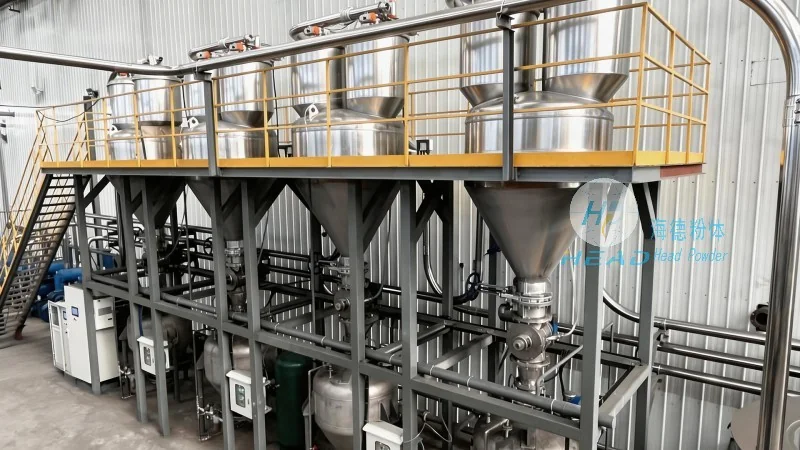
HeadPowder understands that each industrial facility has unique requirements, and therefore, we offer customized solutions tailored to specific applications. Our engineers work closely with clients to assess their material handling needs, production volumes, and facility layout to design a system that meets their exact specifications. We provide a range of options, including positive pressure and negative pressure systems, depending on the material properties and the distance to be covered. The positive pressure system is ideal for long-distance transport and handling of abrasive materials, while the negative pressure system is suitable for short-distance transport and handling of fine powders. Additionally, we offer integration services to connect the pneumatic conveying system with existing production equipment, such as mixers, reactors, and packaging machines. This seamless integration ensures smooth operation and enhances overall productivity. Our team provides comprehensive support, from initial design and installation to ongoing maintenance and troubleshooting, ensuring that our clients receive the best possible service throughout the lifecycle of their equipment.
Continuous quantitative material pneumatic conveying equipment, as offered by Shandong HeadPowder Engineering Co., Ltd., represents a sophisticated and efficient solution for bulk material handling in modern industries. By leveraging the principles of air pressure and controlled feeding, these systems provide precise, reliable, and hygienic transport of materials. With applications spanning across chemical, food, pharmaceutical, mining, and agricultural sectors, the versatility of these systems makes them an indispensable part of industrial operations. HeadPowder's commitment to quality, innovation, and customer satisfaction ensures that our clients receive not only high-performance equipment but also comprehensive support to optimize their material handling processes. As industries continue to evolve and demand more efficient and sustainable solutions, the role of pneumatic conveying systems will only grow in importance, making them a critical component of future industrial infrastructure.

 Shandong Headpowder Engineering Co., Ltd.
 156-6277-7102(Manager Zhang)
  0531-83386006
  Zhangqiu District, Jinan City, Shandong Province, China
telephone
WeChatconsult
top