With more than 10‑year industry experience, Shandong Headpowder delivers full‑service pneumatic‑conveying systems and blowers, undertaking nationwide turn‑key powder‑handling projects.
Food pneumatic conveying systems represent a sophisticated method for transporting bulk food materials, such as powders and granules, through a closed pipeline using air pressure. This technology is pivotal in modern food processing and handling, offering advantages like hygienic operation, reduced contamination risk, and efficient material movement. The core principle involves creating a pressure differential that propels the material along the pipeline, making it an ideal solution for industries where product purity and operational efficiency are paramount.
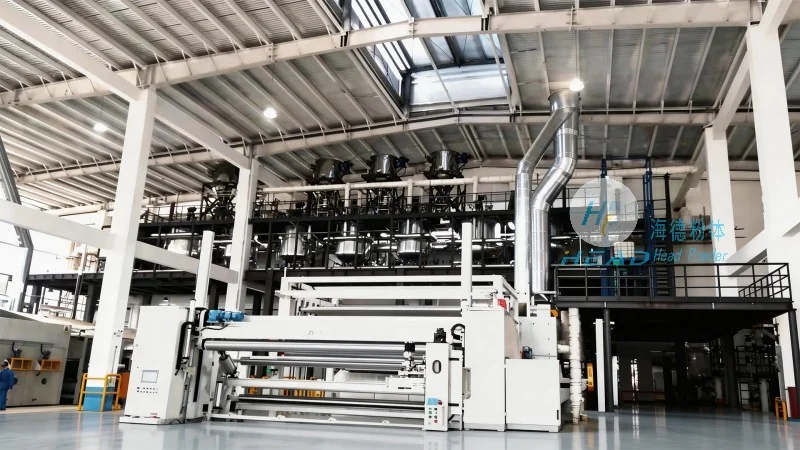
The fundamental principle of pneumatic conveying is the use of air to transport solid particles. There are two primary types: dilute-phase and dense-phase. Dilute-phase systems use low air-to-material ratios, suitable for short distances and low to medium material loads. Dense-phase systems, on the other hand, employ higher air-to-material ratios, enabling the transport of materials over longer distances with higher efficiency. The system typically consists of a hopper, a blower or compressor, a pipeline network, and a discharge device. The material is fed into the hopper, and as air is introduced, it lifts and transports the particles through the pipeline to the destination. This process minimizes product degradation and ensures consistent flow rates, which are critical for maintaining product quality.
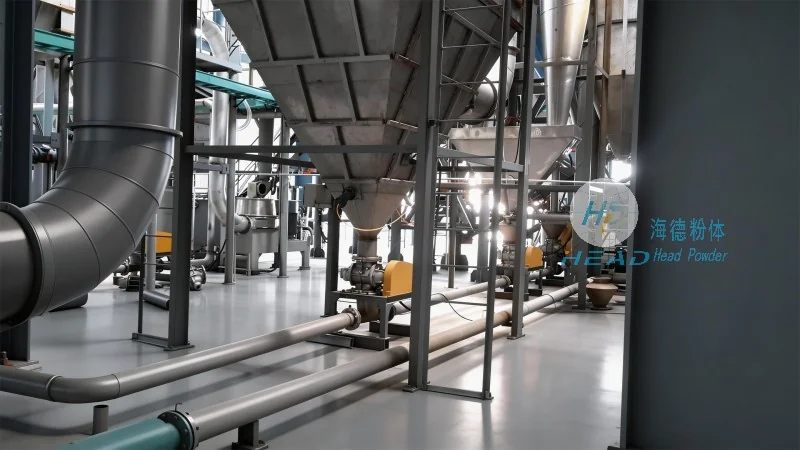
In the food industry, the working scene characteristics of pneumatic conveying systems are tailored to meet stringent hygiene and safety standards. These systems are designed with materials that are non-corrosive, easy to clean, and often made from stainless steel to prevent contamination. The pipelines are often equipped with CIP (Clean-in-Place) systems, allowing for thorough cleaning and sanitization without disassembly. This is particularly important in food processing facilities where cross-contamination must be avoided. The systems also offer flexibility in layout, as the pipeline can be arranged in various configurations to accommodate different plant layouts and production needs. For example, in a bakery, a pneumatic conveying system can transport flour from storage silos to mixing equipment, while in a dairy, it can move powdered milk from storage to processing lines. The ability to handle different food products, from dry powders to granules, makes these systems versatile and adaptable to various production scenarios.
HeadPowder, a leading provider of food processing equipment, specializes in designing and manufacturing high-quality pneumatic conveying systems tailored to the food industry. Their systems are engineered to ensure compliance with food safety regulations, such as those set by the FDA and EU food hygiene directives. The company's expertise lies in understanding the unique challenges of food processing, including the need for low dust generation, minimal product degradation, and easy maintenance. Operational benefits of these systems include increased productivity, reduced labor costs, and improved product quality. By eliminating manual handling and traditional conveyor belts, the risk of human error and contamination is significantly reduced. Additionally, the systems can be integrated with other processing equipment, creating a seamless production line that enhances overall efficiency. For instance, a system from HeadPowder might be integrated with a mixing machine, a packaging line, or a storage silo, forming a cohesive production workflow. The company's commitment to quality and innovation ensures that their pneumatic conveying systems meet the evolving needs of the food industry, providing reliable and efficient solutions for decades.
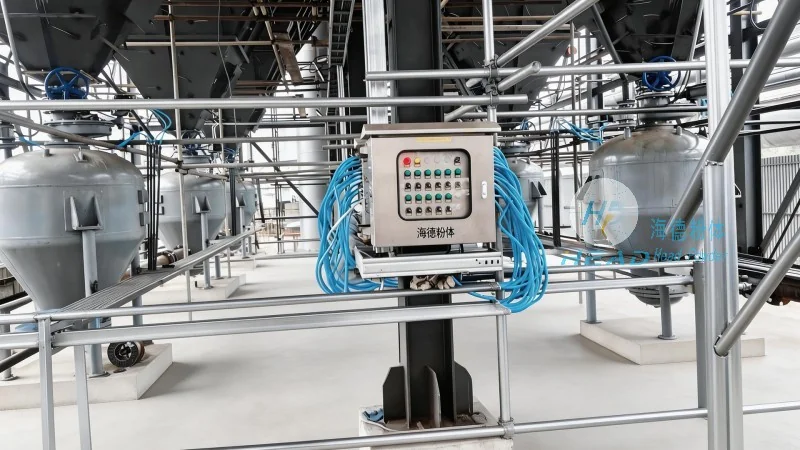
Food pneumatic conveying systems, as exemplified by those from Shandong HeadPowder Engineering Co., Ltd., are essential components of modern food processing facilities. By leveraging the principles of air-based transport, these systems offer a hygienic, efficient, and flexible solution for moving bulk food materials. The working scene characteristics, including compliance with food safety standards and adaptability to various production needs, make them indispensable in the industry. HeadPowder, with its focus on quality and innovation, continues to provide advanced pneumatic conveying solutions that enhance productivity and product quality in food processing operations. Their systems are designed to meet the specific requirements of different food applications, ensuring that each production line operates at its optimal level. As the food industry evolves, the importance of reliable and efficient material handling systems will only grow, and companies like HeadPowder will play a crucial role in meeting these demands.

 Shandong Headpowder Engineering Co., Ltd.
 156-6277-7102(Manager Zhang)
  0531-83386006
  Zhangqiu District, Jinan City, Shandong Province, China
telephone
WeChatconsult
top