With more than 10‑year industry experience, Shandong Headpowder delivers full‑service pneumatic‑conveying systems and blowers, undertaking nationwide turn‑key powder‑handling projects.
Understanding the operational principles and application scenarios of nickel sulfate material conveying lines is crucial for optimizing industrial processes in various sectors. This article provides an in-depth exploration of the technology, focusing on the mechanisms that enable efficient material handling and the specific environments where these systems are most effective.
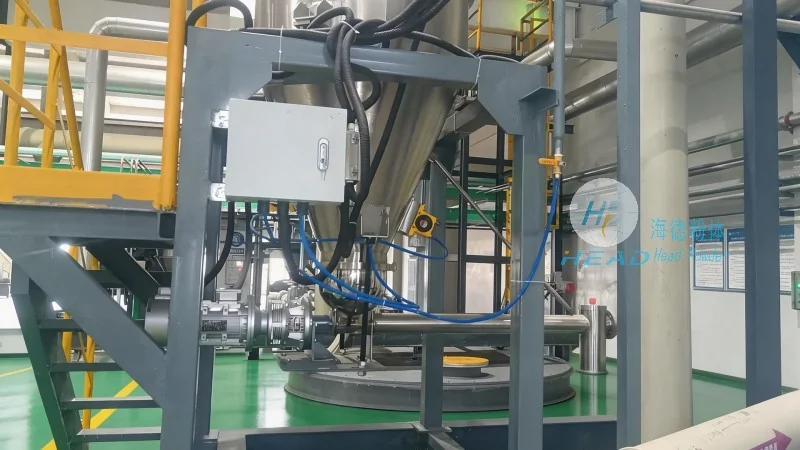
Nickel sulfate, a vital chemical compound used in battery manufacturing, electroplating, and other industrial applications, requires specialized handling systems to ensure safety, efficiency, and compliance with industry standards. The conveying lines for nickel sulfate are engineered to manage the material's properties, such as its granular or powder form, and the potential hazards associated with its handling, including dust control and chemical stability. By integrating advanced engineering solutions, these systems facilitate seamless material transport from storage to processing units, minimizing downtime and operational risks.
The fundamental principle behind nickel sulfate material conveying lines is the use of mechanical or pneumatic systems to transport bulk materials. These systems typically include components like hoppers, feeders, conveyors (e.g., belt, screw, or pneumatic), and control mechanisms. The design of the conveying line is tailored to the physical characteristics of nickel sulfate, such as its density, flowability, and moisture content. For instance, screw conveyors are often preferred for dry, free-flowing nickel sulfate, while pneumatic systems may be used for finer powders to prevent blockages and ensure consistent flow. The control systems, including sensors and automation, play a critical role in maintaining optimal conveying rates, detecting blockages, and adjusting parameters in real-time to adapt to changes in material conditions.
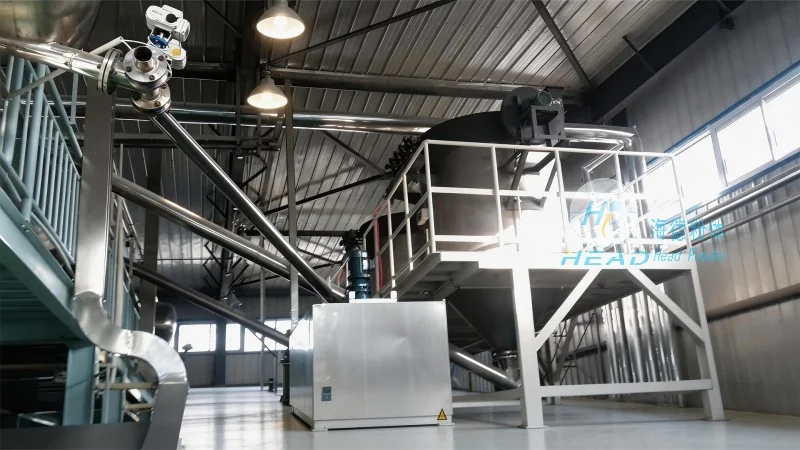
The effectiveness of nickel sulfate material conveying lines is heavily influenced by the specific working environments where they are deployed. These characteristics include the scale of operations, the nature of the production process, and the integration with other industrial equipment. In large-scale battery manufacturing facilities, for example, the conveying lines must handle high volumes of nickel sulfate while maintaining precise control over the material's temperature and moisture levels to prevent degradation. In contrast, smaller-scale applications in electroplating shops may require more compact and flexible systems that can be easily integrated into existing workflows. Environmental factors, such as temperature fluctuations and the presence of corrosive substances, also impact the design and maintenance of the conveying lines, necessitating materials resistant to chemical exposure and robust construction to ensure long-term reliability.
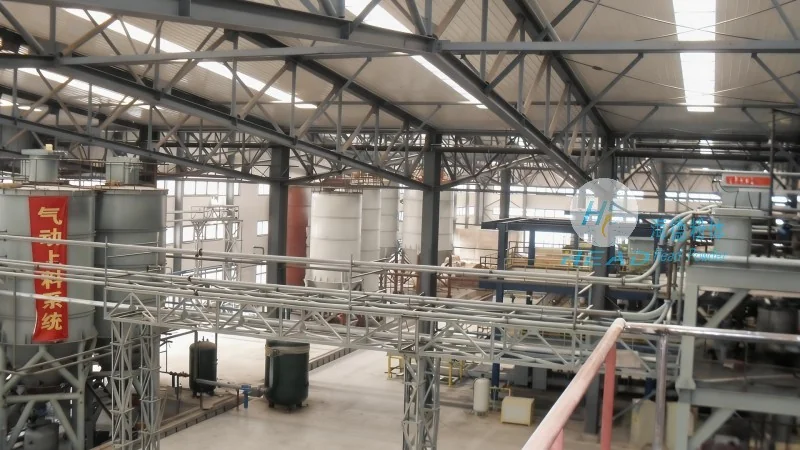
HeadPowder, a leading engineering company based in Shandong, China, specializes in the design, manufacturing, and installation of advanced material handling systems. With a strong commitment to innovation and customer satisfaction, HeadPowder has developed expertise in creating customized conveying solutions for various chemical and industrial applications. The company's team of engineers and technicians leverages years of experience to address the unique challenges of handling nickel sulfate and other hazardous materials, ensuring that their systems meet the highest safety and performance standards. HeadPowder's facilities in Shandong are equipped with state-of-the-art technology and quality control processes, enabling the production of reliable and efficient material conveying lines that enhance operational efficiency and reduce costs for clients worldwide.
In conclusion, nickel sulfate material conveying lines are essential components in modern industrial operations, providing the means to safely and efficiently transport this critical chemical. By understanding the core principles of these systems and the specific characteristics of their working environments, industries can optimize their processes and improve overall productivity. Companies like Shandong HeadPowder Engineering Co., Ltd. play a vital role in delivering tailored solutions that meet the diverse needs of their clients, contributing to the advancement of industrial technologies and the sustainable development of the chemical sector.

 Shandong Headpowder Engineering Co., Ltd.
 156-6277-7102(Manager Zhang)
  0531-83386006
  Zhangqiu District, Jinan City, Shandong Province, China
telephone
WeChatconsult
top