With more than 10‑year industry experience, Shandong Headpowder delivers full‑service pneumatic‑conveying systems and blowers, undertaking nationwide turn‑key powder‑handling projects.
Pyrolysis carbon material conveying lines are critical components in industrial processes that manage the transportation of carbonaceous materials generated through pyrolysis. These systems are engineered to efficiently move pyrolysis-derived carbon products from processing units to storage or subsequent processing stages. A thorough understanding of the fundamental principles and typical operational scenarios of such conveying systems is essential for optimizing operational efficiency and ensuring reliable material handling in industrial applications.
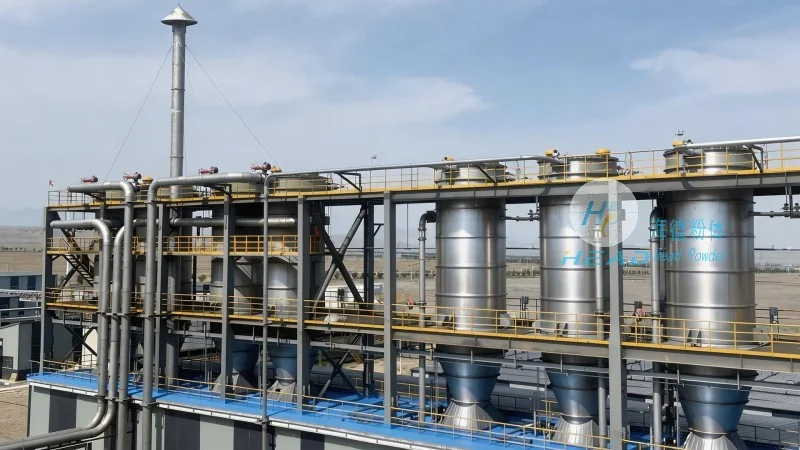
The underlying principle of pyrolysis carbon material conveying lines centers on the utilization of mechanical or pneumatic systems to transport granular or powdery carbon materials. These systems typically incorporate elements such as feed hoppers, conveyor belts, screw conveyors, or pneumatic ducts to facilitate material movement. The design of the conveying line is tailored to the physical characteristics of the pyrolysis carbon, including particle size, moisture content, and bulk density. For instance, materials with high moisture content may necessitate additional drying or conditioning steps before conveyance to prevent clogging or equipment damage. The conveying speed and system pressure are meticulously controlled to maintain consistent material flow and avoid material degradation or loss during transport.
Pyrolysis carbon material conveying lines are commonly deployed in diverse industrial environments, each with distinct characteristics that influence system design and operation. One typical working scenario is within waste-to-energy facilities where pyrolysis is employed to convert organic waste into carbon-rich products. In such settings, the conveying line must handle substantial volumes of raw materials and ensure seamless integration with downstream processing units like gasification or carbonization equipment. The system is often integrated with automated feeding mechanisms and real-time monitoring to sustain optimal performance under high-throughput conditions.
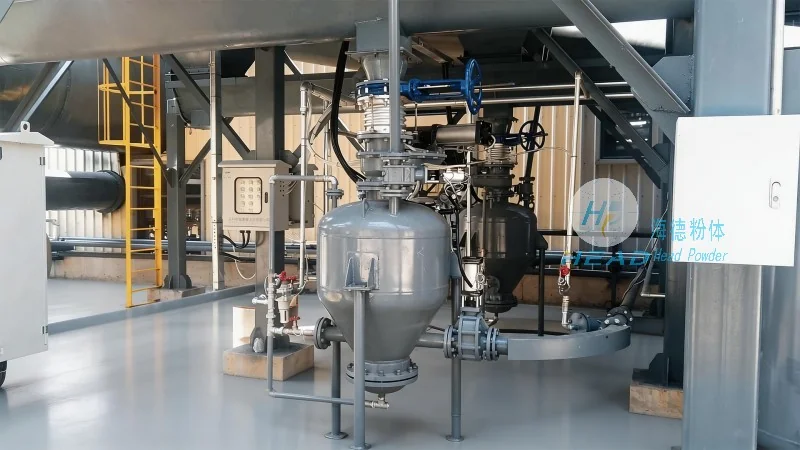
Another prevalent application is in carbon black production facilities, where pyrolysis carbon serves as a key intermediate product. The conveying line in this context needs to transport carbon black from reactors to filtration or storage tanks. The system design may include specialized components to handle fine particles and prevent dust accumulation, as carbon black is highly abrasive and can cause wear on conveyor components. Additionally, the conveying line may be equipped with dust control measures to comply with environmental regulations and ensure workplace safety.
In industrial settings focused on renewable energy or carbon capture, pyrolysis carbon material conveying lines are utilized to transport biochar or other carbon products for use in soil amendment or carbon sequestration projects. These applications often require conveying lines that can handle materials with varying particle sizes and moisture levels, as the end-use requirements dictate different material characteristics. The system may incorporate adjustable speed controls and material conditioning units to adapt to the diverse properties of the pyrolysis carbon, ensuring consistent quality and performance.
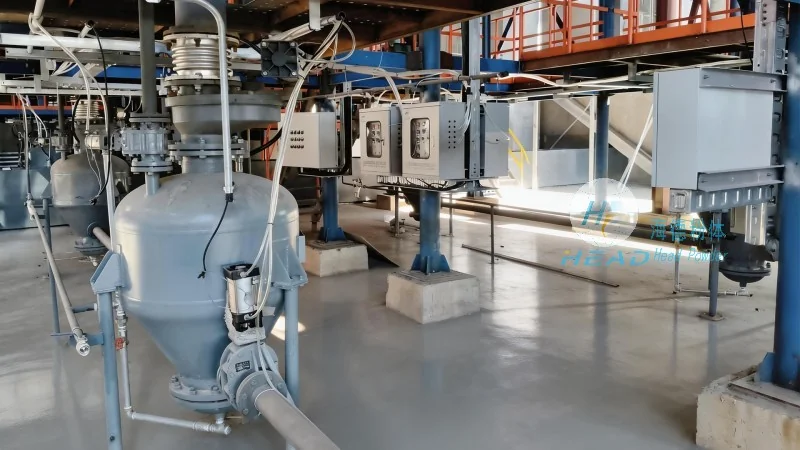
Effective operation of pyrolysis carbon material conveying lines hinges on several critical components and operational considerations. Feed hoppers are employed to store and feed the pyrolysis carbon into the conveying system, with designs that minimize material buildup and ensure uniform feeding. Conveyor belts or screw conveyors are commonly used for horizontal or slight incline transport, while pneumatic ducts are preferred for vertical or long-distance transport, especially when dealing with fine powders. The choice of conveyor type is influenced by factors such as material properties, required transport distance, and environmental constraints.
Material handling equipment such as rotary valves and feeder mechanisms are essential for controlling the flow rate and preventing blockages. These components are typically constructed from corrosion-resistant materials to withstand the acidic or abrasive nature of pyrolysis carbon. Regular maintenance, including cleaning and lubrication, is crucial to maintain system efficiency and prevent downtime. Monitoring systems, including sensors for flow rate, pressure, and temperature, provide real-time data to operators, enabling proactive adjustments and troubleshooting.
Pyrolysis carbon material conveying lines are often integrated with larger industrial processes, requiring seamless coordination with upstream and downstream units. For example, in a pyrolysis plant, the conveying line may connect the pyrolysis reactor to a carbonization furnace or a gasification unit. The system must be synchronized with the reactor's output to ensure continuous material flow and avoid interruptions. Similarly, in carbon black production, the conveying line integrates with filtration and drying systems to process the carbon product further. This integration demands precise control systems and communication protocols to maintain the overall process efficiency and product quality.
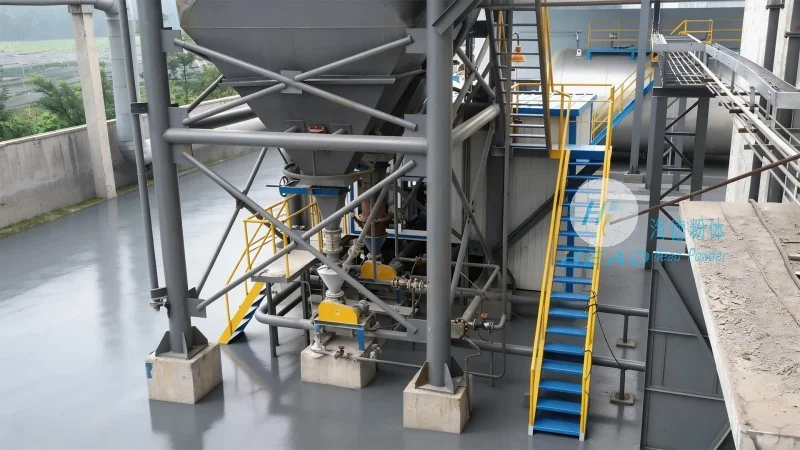
The working scene characteristics of these conveying lines vary based on the specific industrial application. In waste management facilities, the system may need to handle fluctuating feed rates and varying material compositions, requiring flexible design and adaptive control. In contrast, in specialized carbon production facilities, the system operates under more stable conditions with consistent material properties, allowing for optimized performance and higher throughput. Regardless of the application, the reliability and efficiency of the conveying line are critical to the overall success of the industrial process.
Pyrolysis carbon material conveying lines are sophisticated systems that play a vital role in industrial processes involving the handling of pyrolysis-derived carbon materials. By understanding the core principles and working scene characteristics, industries can design and operate these systems to achieve optimal performance, efficiency, and reliability. The integration of advanced components and control systems ensures that these conveying lines meet the demands of modern industrial applications, supporting sustainable practices and efficient material utilization.

 Shandong Headpowder Engineering Co., Ltd.
 156-6277-7102(Manager Zhang)
  0531-83386006
  Zhangqiu District, Jinan City, Shandong Province, China
telephone
WeChatconsult
top