

What is a Sodium Hydroxide Material Pneumatic Conveyor? What Are Its Design Principles?
Sodium hydroxide, commonly known as caustic soda, is a widely used chemical in various industrial applications, including manufacturing, cleaning, and chemical processing. The efficient and safe handling of this material is crucial for industrial operations. A pneumatic conveyor system specifically designed for sodium hydroxide is a critical piece of equipment that ensures the material is transported with precision and minimal risk. This article explores the concept of a sodium hydroxide material pneumatic conveyor and delves into its design principles, highlighting how such systems enhance operational efficiency and safety in industrial settings.
Understanding the Role of Pneumatic Conveying for Sodium Hydroxide
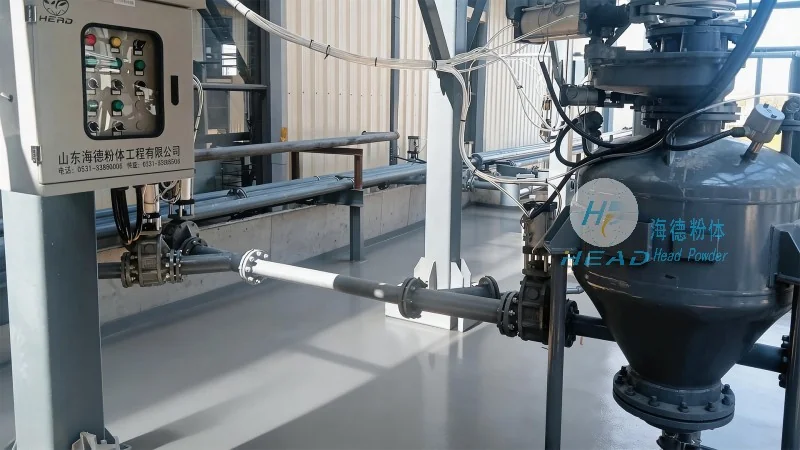
Pneumatic conveying is a method of transporting bulk materials through a pipeline using air or other gases. For sodium hydroxide, which is often in solid form such as flakes or pellets, a specialized pneumatic conveyor is essential. Unlike traditional mechanical conveyors, pneumatic systems offer advantages like reduced contamination, lower maintenance, and the ability to handle materials in a closed system, minimizing exposure to the environment and personnel. The choice of a pneumatic conveyor for sodium hydroxide is driven by the need to maintain material integrity, control dust, and ensure compliance with safety regulations.
Key Design Principles of Sodium Hydroxide Pneumatic Conveyors
The design of a sodium hydroxide material pneumatic conveyor involves several critical principles to ensure optimal performance and safety. First, the system must be constructed from materials that are compatible with sodium hydroxide and resistant to corrosion. Common materials include stainless steel, which is non-reactive and durable under harsh chemical conditions. The design also considers the flow characteristics of the material, as sodium hydroxide can be abrasive and may require specialized hopper and duct designs to prevent blockages and ensure smooth flow. Additionally, the system incorporates safety features such as pressure relief valves, explosion-proof components, and proper ventilation to mitigate risks associated with handling caustic chemicals. The control system is another key aspect, as it allows for precise regulation of air pressure, flow rate, and material discharge, ensuring consistent and reliable operation.
Components and Operational Mechanism
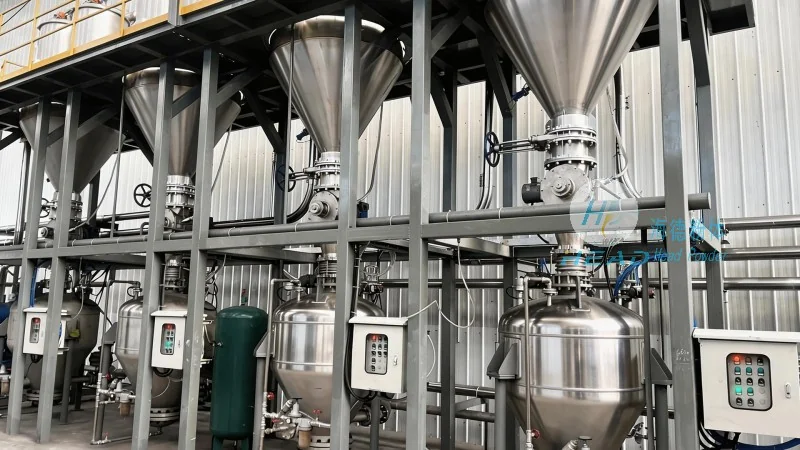
A typical sodium hydroxide pneumatic conveyor consists of several key components, each playing a vital role in the overall system. The hopper is the starting point, where the material is stored and fed into the system. It is designed with a sloped bottom to facilitate material flow and may include a feeder mechanism, such as a rotary valve or screw feeder, to control the discharge rate. The ductwork connects the hopper to the conveying line and is made of corrosion-resistant materials to withstand the chemical properties of sodium hydroxide. The air system, which includes a blower or compressor, generates the necessary air pressure to move the material through the pipeline. The conveying line is usually a flexible or rigid pipe, depending on the application, and is equipped with bends and elbows that are carefully designed to minimize pressure loss and prevent material buildup. The receiver or discharge hopper at the end of the system collects the material and may include a valve to control the final discharge. The control panel manages all aspects of the system, from air pressure regulation to material flow monitoring, ensuring that the operation is efficient and safe.
Advantages of Using a Pneumatic Conveyor for Sodium Hydroxide
Implementing a pneumatic conveyor for sodium hydroxide offers numerous benefits that enhance industrial operations. One of the primary advantages is the reduction in labor costs, as the system automates the material handling process, minimizing the need for manual handling. This not only improves efficiency but also reduces the risk of accidents and exposure to the chemical. Another benefit is the improved material quality, as the closed system prevents contamination and dust, ensuring that the sodium hydroxide remains in its original state. The system also allows for flexible and scalable operations, as the conveying line can be extended or modified to accommodate changes in production needs. Additionally, the energy efficiency of pneumatic conveyors, particularly when using high-efficiency blowers, contributes to lower operational costs and reduced environmental impact. Overall, a well-designed pneumatic conveyor for sodium hydroxide is a valuable investment that enhances productivity, safety, and sustainability in industrial applications.
Applications and Industries
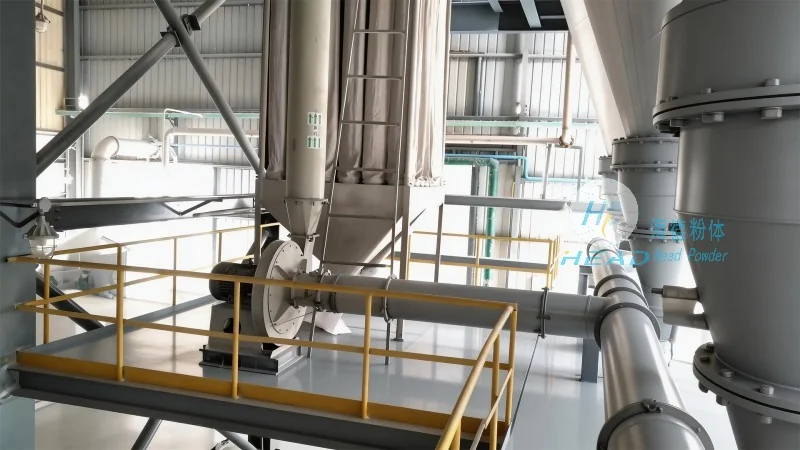
Sodium hydroxide material pneumatic conveyors are widely used in various industries that rely on caustic soda. In the chemical industry, these systems are used for transporting sodium hydroxide between production units, storage facilities, and processing plants. The food and beverage industry also utilizes pneumatic conveyors for handling sodium hydroxide in cleaning and processing applications, where hygiene and safety are paramount. Additionally, the paper and pulp industry uses such systems for transporting sodium hydroxide in bleaching and processing operations. The construction and manufacturing sectors may also employ pneumatic conveyors for handling sodium hydroxide in concrete production or other industrial processes. The versatility of the system makes it suitable for a wide range of applications, making it a preferred choice for industries that require efficient and safe material handling of caustic chemicals.
Conclusion and Company Overview
In conclusion, a sodium hydroxide material pneumatic conveyor is a sophisticated and essential piece of equipment that plays a vital role in modern industrial operations. Its design principles, which prioritize material compatibility, safety, and efficiency, ensure that the handling of sodium hydroxide is carried out with precision and minimal risk. The system's components and operational mechanisms work together to provide a reliable and effective solution for transporting this important chemical. The advantages of using a pneumatic conveyor, including reduced labor costs, improved material quality, and flexible operations, make it a valuable asset for industries that rely on sodium hydroxide. As a leading manufacturer in this field, Shandong HeadPowder Engineering Co., Ltd. specializes in designing and manufacturing high-quality pneumatic conveyor systems tailored to the specific needs of industrial applications. With a focus on safety, efficiency, and durability, the company provides solutions that enhance operational performance and ensure compliance with industry standards. Based in Shandong, China, HeadPowder has established itself as a trusted provider of industrial equipment, delivering reliable and effective solutions for material handling in various sectors. The company's commitment to quality and innovation ensures that its products meet the evolving needs of the industry, making it a preferred choice for businesses seeking to optimize their material handling processes.