

What is a Molybdenum Oxide Material Pneumatic Conveying Machine? What Are Its Design Principles?
Molybdenum oxide, a crucial industrial material, often requires efficient and reliable handling during processing. The molybdenum oxide material pneumatic conveying machine is a specialized equipment designed to transport this material through a pneumatic system. This equipment plays a vital role in various industrial applications, ensuring the safe and efficient movement of molybdenum oxide from one processing stage to another.
About the Company: Shandong HeadPowder Engineering Co., Ltd.
HeadPowder, a leading manufacturer in the field of material handling equipment, specializes in providing high-quality solutions for industrial material transportation. With a strong commitment to innovation and precision engineering, the company has established itself as a trusted partner for businesses operating in industries that rely on efficient material handling. HeadPowder's headquarters is located in Shandong, China, where the company leverages advanced technology and skilled expertise to develop cutting-edge solutions tailored to the needs of its clients.
Design Principles of Molybdenum Oxide Material Pneumatic Conveying Machines
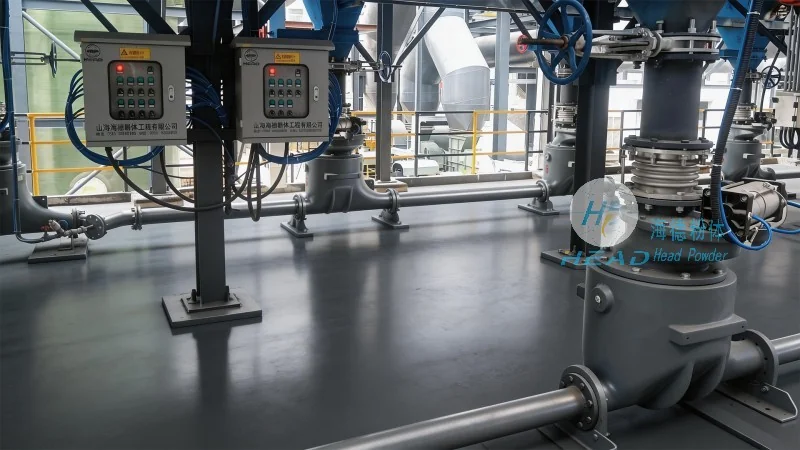
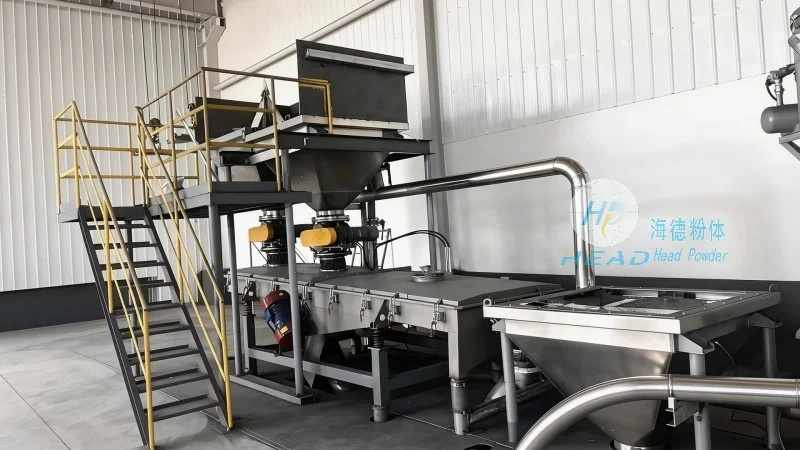
The design of a molybdenum oxide material pneumatic conveying machine is based on fundamental principles of fluid dynamics and material handling. The core of the system involves the use of air or other gases to transport the material through a pipeline. The machine typically consists of several key components, including a feeding device, a conveying pipeline, a control system, and a discharge mechanism. The feeding device ensures that the molybdenum oxide is introduced into the system in a controlled manner, preventing blockages and ensuring consistent flow. The conveying pipeline is designed to handle the specific characteristics of molybdenum oxide, such as its particle size, density, and moisture content. The control system monitors and regulates the air pressure and flow rate, optimizing the conveying process for maximum efficiency and minimal energy consumption. The discharge mechanism safely releases the material at the destination point, ensuring that the material is delivered without spillage or contamination.
Key Features and Advantages
HeadPowder's molybdenum oxide material pneumatic conveying machines are equipped with several features that enhance their performance and reliability. These features include: advanced material handling capabilities to accommodate various particle sizes and shapes; energy-efficient design to reduce operational costs; and robust construction to withstand the demands of industrial environments. The machines are also designed for easy maintenance and cleaning, ensuring long-term operational life. The use of high-quality materials and precision engineering ensures that the equipment operates with minimal downtime and maximum productivity. Additionally, the machines are equipped with safety features to prevent accidents and ensure the well-being of operators.
Applications and Industries
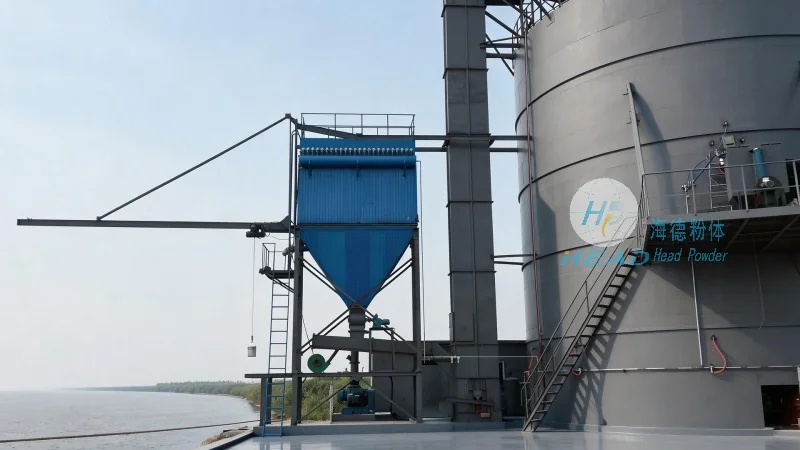
Molybdenum oxide material pneumatic conveying machines are widely used in various industries that require the handling of molybdenum oxide. These industries include the chemical industry, where molybdenum oxide is used as a catalyst; the metallurgical industry, where it is used as an additive in steel production; and the pharmaceutical industry, where it is used as a raw material in the production of certain medications. The machines are also used in research and development laboratories, where precise handling of molybdenum oxide is required for experimental purposes.
Conclusion
In conclusion, the molybdenum oxide material pneumatic conveying machine is a critical piece of equipment for industries that rely on the efficient handling of molybdenum oxide. HeadPowder's expertise in designing and manufacturing such equipment ensures that clients receive high-quality solutions that meet their specific needs. With its advanced design principles and robust construction, the machine provides reliable and efficient material transportation, contributing to the overall productivity and success of industrial operations.