With more than 10‑year industry experience, Shandong Headpowder delivers full‑service pneumatic‑conveying systems and blowers, undertaking nationwide turn‑key powder‑handling projects.
At Shandong HeadPowder Engineering Co., Ltd., we specialize in the design and implementation of efficient fertilizer granule material conveying systems. These systems are crucial for the seamless transport of granular fertilizers from production lines to storage or packaging areas. Understanding the core principles and operational characteristics of such systems is essential for optimizing agricultural supply chain processes.
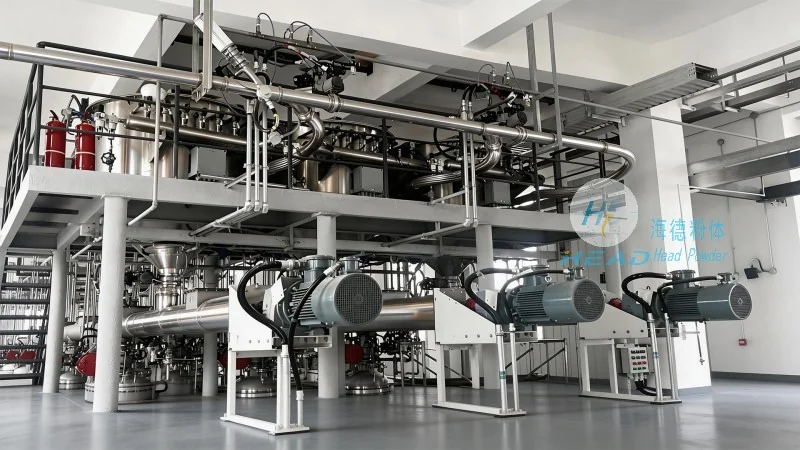
The primary principle behind fertilizer granule material conveying systems is the utilization of mechanical force to move granular materials through a defined pathway. This typically involves the use of conveyor belts, screw conveyors, or pneumatic systems, each tailored to the specific properties of fertilizer granules—such as size, density, and moisture content. The goal is to achieve consistent, reliable, and low-damage transport, ensuring that the quality of the fertilizer remains intact throughout the process.
Effective fertilizer granule conveying systems rely on several key components. The feed hopper is responsible for collecting and feeding the granules into the conveyor mechanism. The conveyor itself, whether it’s a belt or screw type, provides the necessary force to move the material. For pneumatic systems, air pressure is used to create a flow of granules through pipes. Additionally, control systems and sensors are integrated to monitor flow rates, detect blockages, and adjust operations in real-time, enhancing system efficiency and safety.
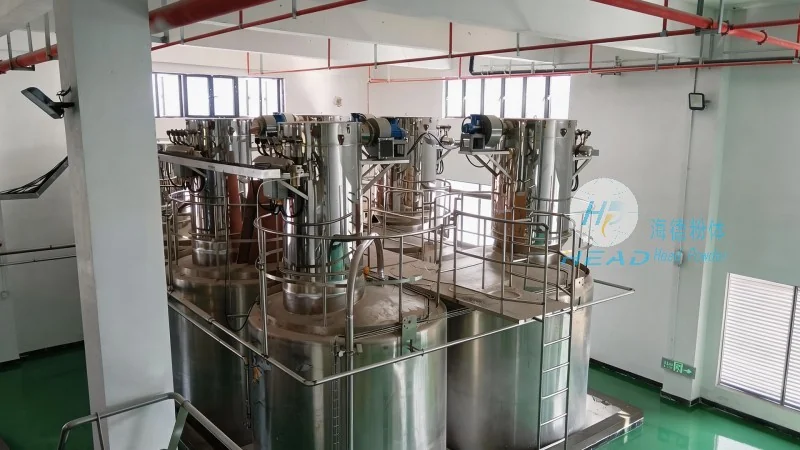
These conveying systems are widely employed in various industrial settings, particularly in the fertilizer manufacturing industry. In a typical fertilizer production facility, the granule material is transported from the granulation unit to the storage silos or packaging lines. The system must handle large volumes of material, often at high speeds, while maintaining minimal product degradation. This is critical for maintaining the nutrient content and physical properties of the fertilizer, which directly impacts its effectiveness in agricultural applications.
Operational efficiency is a key characteristic of these systems. By minimizing downtime and maximizing throughput, businesses can improve their overall productivity. Regular maintenance is essential to ensure the longevity of the equipment. This includes checking for wear and tear on conveyor belts, cleaning the system to prevent clogging, and performing routine inspections of mechanical parts. Proper maintenance not only extends the lifespan of the equipment but also ensures consistent performance, reducing the risk of material loss or system failures.
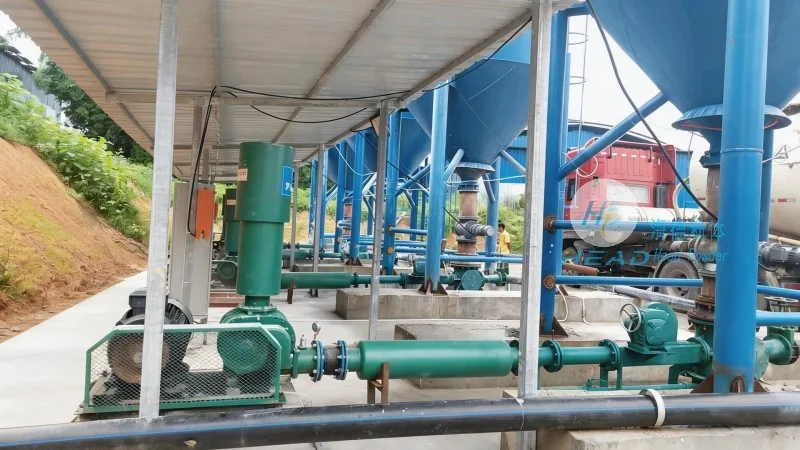
Another important characteristic is the ability to customize the conveying system for different types of fertilizer granules. For example, systems designed for high-density granules may require different belt materials or screw configurations compared to those handling lighter, more porous granules. This adaptability ensures that the system can be optimized for the specific properties of the fertilizer being processed, leading to more efficient and effective material transport.
In conclusion, fertilizer granule material conveying systems are vital components of modern agricultural supply chains. By understanding their principles and operational characteristics, companies can enhance their production efficiency, maintain product quality, and ensure reliable delivery of fertilizers to the market. At Shandong HeadPowder Engineering Co., Ltd., we are committed to providing tailored solutions that meet the unique needs of our clients, helping them achieve optimal performance in their fertilizer processing operations.

 Shandong Headpowder Engineering Co., Ltd.
 156-6277-7102(Manager Zhang)
  0531-83386006
  Zhangqiu District, Jinan City, Shandong Province, China
telephone
WeChatconsult
top