Small bean pneumatic conveying systems represent a specialized solution within the broader field of material handling technology. These systems are designed to efficiently transport small, granular, or powdery materials, such as seeds, beans, or similar bulk commodities, over short to medium distances. The technology leverages the principles of pneumatic transport, where air is used as the medium to move materials through a pipeline network. This approach offers several advantages over traditional mechanical conveying methods, including reduced maintenance requirements, improved hygiene, and the ability to handle materials that are sensitive to contamination or degradation.
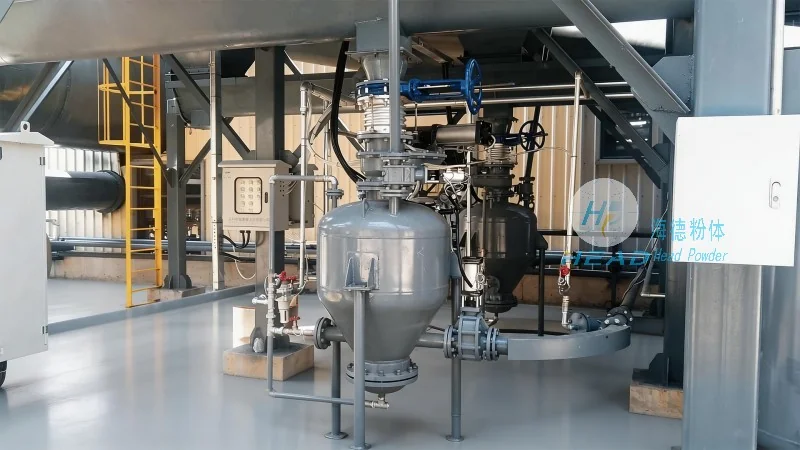
Overview of Small Bean Pneumatic Conveying Systems
At the core of small bean pneumatic conveying is the HeadPowder brand, which is a division of Shandong HeadPowder Engineering Co., Ltd., a company based in Shandong, China. HeadPowder specializes in the design, manufacturing, and installation of customized pneumatic conveying solutions tailored to the unique needs of agricultural and food processing industries. The company’s expertise lies in understanding the specific characteristics of small bean materials—such as their size, density, and moisture content—and tailoring the conveying system to optimize performance and efficiency.
Key Components of the Small Bean Pneumatic Conveying System
The small bean pneumatic conveying system typically consists of several critical components that work in concert to achieve effective material transport. These components include:
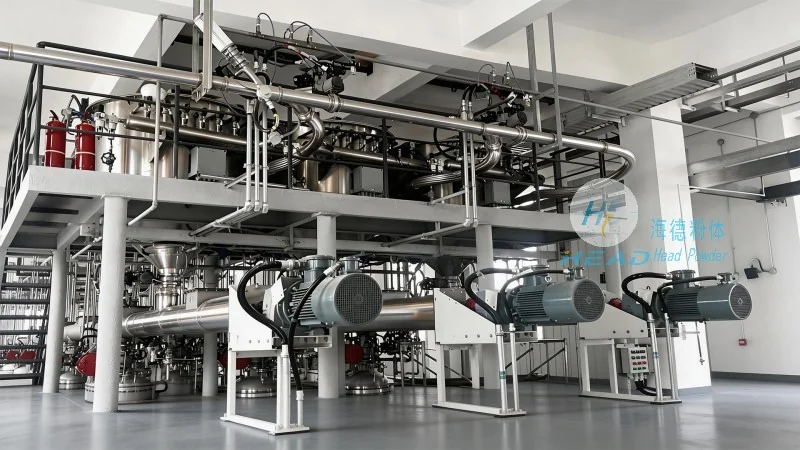
- Air Supply Unit: This is the primary source of compressed air that powers the conveying process. The air supply unit is equipped with a compressor, air filter, and regulator to ensure a consistent and clean air flow. The compressor generates the necessary pressure to move the small beans through the pipeline, while the filter and regulator maintain air quality and pressure stability.
- Feed Hopper: The feed hopper is a container that holds the small beans before they are introduced into the conveying system. It is designed to provide a controlled and uniform feed of material into the system, preventing overloading or blockages. The hopper may include a gate or valve mechanism to regulate the flow rate, ensuring smooth operation.
- Conveying Pipeline: The pipeline is the main channel through which the small beans are transported. It is typically made of durable materials such as stainless steel or food-grade plastic to withstand the abrasive nature of the beans and maintain hygiene standards. The pipeline is often equipped with bends, elbows, and straight sections to guide the material from the feed hopper to the discharge point. The design of the pipeline, including its diameter and length, is critical to achieving optimal conveying efficiency.
- Exhaust System: The exhaust system is responsible for removing the air that has carried the small beans from the pipeline. It includes a filter or cyclone separator that captures the beans and returns them to the system, while allowing the air to be vented to the atmosphere. This component is essential for maintaining air quality and preventing material loss.
- Control Panel: The control panel houses the electrical and pneumatic controls that manage the operation of the entire system. It includes switches, sensors, and indicators that allow operators to monitor and adjust the system parameters, such as air pressure, flow rate, and material level. The control panel ensures safe and efficient operation of the small bean pneumatic conveying system.
Working Principle of the Small Bean Pneumatic Conveying System
The operation of the small bean pneumatic conveying system follows a straightforward yet effective process. The sequence of events is as follows:
- Material Loading: Small beans are loaded into the feed hopper from a storage bin or container. The hopper is designed to hold a sufficient quantity of material to maintain a steady flow.
- Air Compression: The air compressor in the air supply unit generates compressed air, which is then filtered and regulated to a consistent pressure. This air is stored in a reservoir to ensure a continuous supply.
- Material Introduction: The material in the hopper is released into the conveying pipeline through a gate or valve. Simultaneously, the compressed air is introduced into the pipeline, creating a flow of air that carries the small beans.
- Conveying Process: The small beans are suspended in the air stream and transported through the pipeline. The air pressure and velocity are carefully controlled to ensure that the beans are moved efficiently without causing excessive wear on the pipeline or components.
- Material Discharge: At the end of the pipeline, the small beans are discharged into a collection bin or processing unit. The exhaust system separates the beans from the air, returning the beans to the system and venting the air.
- System Monitoring: The control panel continuously monitors the system parameters, such as air pressure, flow rate, and material level. Any deviations from the set points are detected and corrected to maintain optimal operation.
Advantages of Small Bean Pneumatic Conveying Systems
Small bean pneumatic conveying systems offer several advantages over traditional mechanical conveying methods. These benefits include:
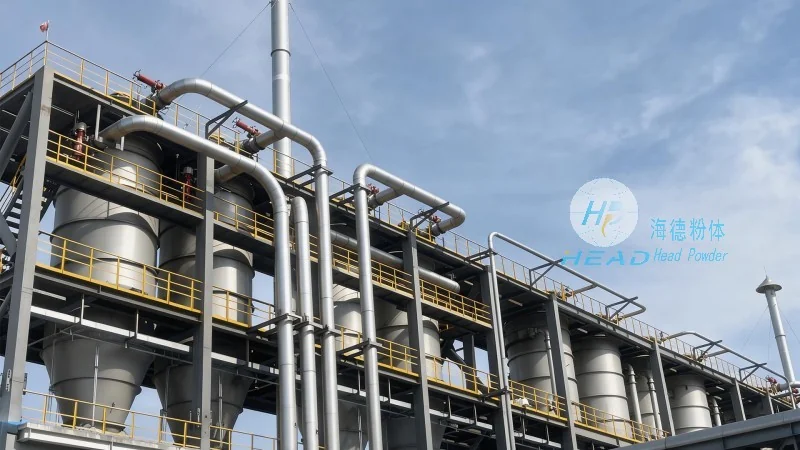
- Hygienic and Clean Operation: The enclosed pipeline design prevents contamination from external sources, making it suitable for food and agricultural applications where hygiene is critical.
- Reduced Maintenance: Unlike mechanical conveyors that have moving parts, pneumatic systems have fewer components that require regular maintenance, leading to lower operational costs and increased system reliability.
- Flexibility in Layout: The pipeline can be easily routed around obstacles or changes in the facility layout, providing greater flexibility in system design.
- Efficient Material Handling: The system can handle small beans with high efficiency, even over short to medium distances, reducing the need for multiple transfer points or manual handling.
- Energy Efficiency: Modern pneumatic conveying systems are designed to be energy-efficient, using only the necessary amount of air to transport the material, which reduces energy consumption and operating costs.
Applications of Small Bean Pneumatic Conveying Systems
Small bean pneumatic conveying systems are widely used in various industries, particularly in agriculture and food processing. Some common applications include:
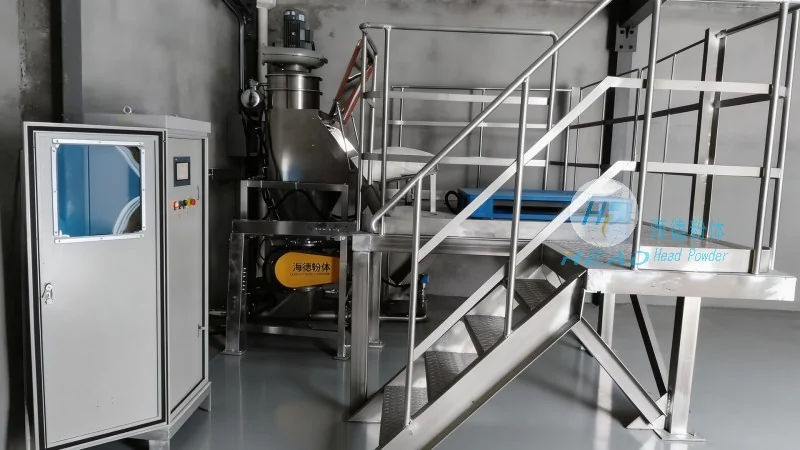
- Seed and Grain Handling: The system is ideal for transporting small seeds, such as beans, peas, or lentils, from storage bins to processing equipment or packaging lines.
- Food Processing: In food processing facilities, the system can be used to convey ingredients like coffee beans, spices, or other food-grade materials, ensuring that they are handled hygienically and efficiently.
- Agricultural Operations: The system is used in agricultural settings to move harvested small beans from fields to storage facilities or processing plants, improving the efficiency of post-harvest operations.
- Industrial Processing: Beyond food and agriculture, the system can be applied in industrial settings to transport small, granular materials in manufacturing processes, such as in chemical or pharmaceutical industries.
Customization and Integration with HeadPowder Solutions
Shandong HeadPowder Engineering Co., Ltd. specializes in providing customized small bean pneumatic conveying solutions that are tailored to the specific requirements of each client. The company’s engineers work closely with customers to understand their operational needs, material characteristics, and facility constraints, and then design a system that meets those needs efficiently and effectively. HeadPowder’s solutions are designed to integrate seamlessly with existing equipment and processes, minimizing disruption during installation and operation.
Conclusion
Small bean pneumatic conveying systems represent a sophisticated and efficient solution for handling small, granular materials. The technology, as exemplified by the solutions offered by Shandong HeadPowder Engineering Co., Ltd., combines advanced engineering with practical design to deliver reliable and effective material transport. By leveraging the principles of pneumatic transport and incorporating specialized components, these systems provide significant advantages over traditional methods, making them an ideal choice for industries that require hygienic, low-maintenance, and flexible material handling solutions.

 Shandong Headpowder Engineering Co., Ltd.
 156-6277-7102(Manager Zhang)
  0531-83386006
  Zhangqiu District, Jinan City, Shandong Province, China