With more than 10‑year industry experience, Shandong Headpowder delivers full‑service pneumatic‑conveying systems and blowers, undertaking nationwide turn‑key powder‑handling projects.
Coal ash slag is a byproduct generated during the combustion of coal in thermal power plants and other industrial facilities. The efficient handling and transportation of this material are crucial for maintaining operational efficiency and environmental compliance. Pneumatic conveying systems offer a reliable solution for transporting coal ash slag from its source to processing or disposal sites. This article provides an overview of the structure and working principles of coal ash slag pneumatic conveying systems, highlighting the key components and operational mechanisms involved.
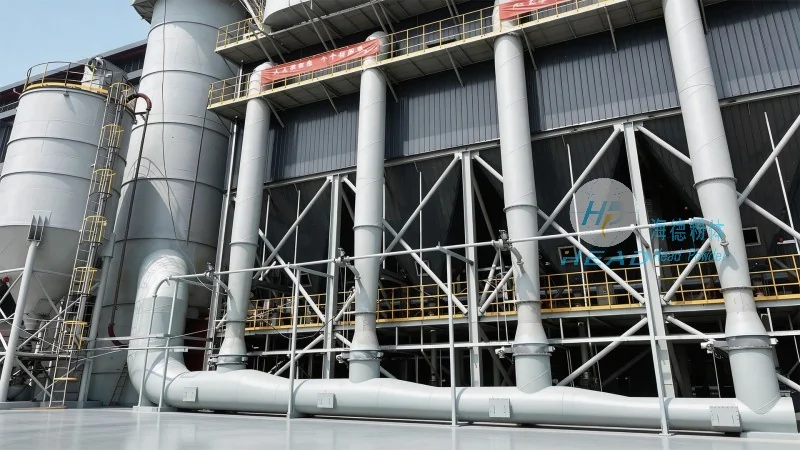
HeadPowder, or Shandong HeadPowder Engineering Co., Ltd., is a leading provider of industrial conveying solutions. With a focus on innovation and customer-centric design, the company specializes in developing and manufacturing advanced pneumatic conveying systems tailored to the unique needs of various industries, including power generation, mining, and waste management. HeadPowder's expertise lies in creating efficient, reliable, and cost-effective solutions for material handling challenges, ensuring that clients achieve optimal performance and operational excellence.
Coal ash slag pneumatic conveying is a method of transporting solid materials, such as coal ash and slag, using a stream of air or gas. Unlike traditional mechanical conveying systems, which rely on belts, buckets, or screws, pneumatic conveying utilizes the force of air to move materials through a pipeline. This technology is particularly suitable for handling fine powders and granular materials, which are often difficult to transport using conventional methods. The process involves feeding the material into a hopper, where it is then mixed with air and propelled through the pipeline to the destination point.
A typical coal ash slag pneumatic conveying system consists of several essential components that work in concert to ensure efficient material transport. The primary components include a hopper for material storage, a feeder to control the flow of material into the system, a conveying line (pipeline) to transport the material, and a receiver to collect the material at the destination. Additionally, the system may include a blower or compressor to generate the air pressure required for conveying, a filter to remove dust from the exhaust air, and a control system to regulate the operation of the entire process.
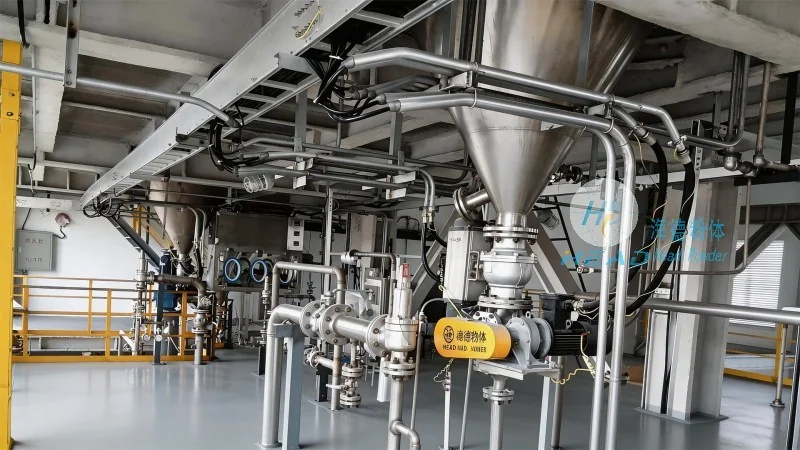
The working principle of a coal ash slag pneumatic conveying system is based on the principle of fluidization and suspension. When air is introduced into the hopper containing the coal ash slag, the material particles become suspended in the air stream, forming a dense phase or dilute phase flow. The velocity of the air is critical in determining the type of flow. In dense phase conveying, the material is conveyed as a solid plug, while in dilute phase conveying, the material is suspended in the air as a fine mist. The choice between these two modes depends on the material characteristics, pipeline length, and desired conveying efficiency.
Pneumatic conveying systems offer several advantages over traditional mechanical conveying methods. One of the key benefits is the ability to transport materials over long distances without the need for multiple transfer points. This reduces the risk of material degradation and contamination. Additionally, pneumatic conveying is highly flexible, as it can be easily adapted to changes in material flow rates or pipeline layout. The system also provides a closed environment, which helps to minimize dust emissions and improve safety in the workplace. Furthermore, the absence of moving parts in the conveying line reduces maintenance requirements and operational costs.
Coal ash slag pneumatic conveying systems are widely used in various industrial applications. In power plants, these systems are employed to transport coal ash from the boiler to storage silos or disposal sites. In mining operations, they are used to move tailings and other fine materials from processing facilities to disposal areas. Additionally, the technology is utilized in waste management facilities to transport ash and slag from incinerators to landfills or recycling facilities. The versatility of pneumatic conveying makes it an ideal solution for handling a wide range of materials, including those that are abrasive, corrosive, or have high moisture content.
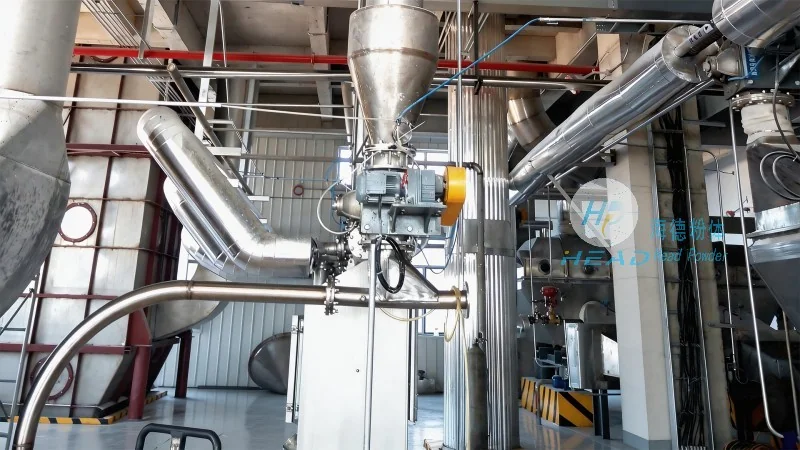
The design of a coal ash slag pneumatic conveying system requires careful consideration of several factors to ensure optimal performance and longevity. The first consideration is the material characteristics, such as particle size, density, and moisture content. These factors influence the selection of the conveying mode (dense or dilute phase) and the required air velocity. The second consideration is the pipeline layout, including the length, diameter, and number of bends. The pipeline diameter must be large enough to prevent excessive pressure drop and material blockage. The third consideration is the blower or compressor capacity, which must be sufficient to generate the required air pressure and flow rate. Finally, the system must be equipped with appropriate safety features, such as pressure relief valves and dust filters, to ensure safe and reliable operation.
Maintenance is a critical aspect of ensuring the long-term performance of a coal ash slag pneumatic conveying system. Regular maintenance tasks include cleaning the hopper and feeder to prevent material buildup, inspecting the conveying line for signs of wear or damage, and checking the blower or compressor for proper operation. Additionally, the filter system must be regularly cleaned or replaced to prevent clogging and maintain air quality. Troubleshooting common issues, such as blockages or pressure drops, requires a systematic approach. The first step is to check the material feed rate and ensure that it is consistent with the system's capacity. If the problem persists, the pipeline may need to be inspected for obstructions or leaks. In some cases, the system may need to be shut down and cleaned to restore proper operation.
Coal ash slag pneumatic conveying is a highly effective and reliable method for transporting solid materials in industrial applications. The technology offers numerous advantages over traditional mechanical conveying systems, including flexibility, efficiency, and safety. By understanding the structure and working principles of these systems, industries can make informed decisions about the most suitable conveying solution for their specific needs. HeadPowder, with its expertise in industrial conveying solutions, provides comprehensive support for the design, installation, and maintenance of coal ash slag pneumatic conveying systems, ensuring that clients achieve optimal performance and operational excellence.

 Shandong Headpowder Engineering Co., Ltd.
 156-6277-7102(Manager Zhang)
  0531-83386006
  Zhangqiu District, Jinan City, Shandong Province, China
telephone
WeChatconsult
top