With more than 10‑year industry experience, Shandong Headpowder delivers full‑service pneumatic‑conveying systems and blowers, undertaking nationwide turn‑key powder‑handling projects.
HeadPowder, a leading provider in the field of material handling solutions, specializes in advanced pneumatic conveying systems for various industrial applications. This article delves into the fundamental principles of BaCO3 pneumatic conveying and highlights the key characteristics of its operational scenarios, offering insights into how such systems enhance efficiency and reliability in material transport processes.
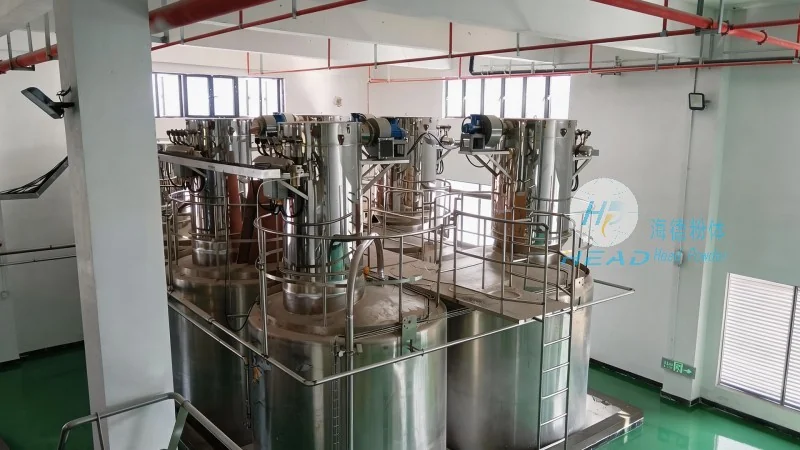
Pneumatic conveying is a method of transporting bulk materials through a pipeline using pressurized or suction air. In the case of BaCO3 (barium carbonate), a white crystalline powder commonly used in industries such as ceramics, glass, and pharmaceuticals, the principles of this technology are tailored to handle its specific physical properties. The core of the system involves creating a flow of air that lifts and transports the powder particles through the pipeline. This is achieved by either positive pressure (where air is forced into the system) or negative pressure (where air is drawn out, creating a vacuum). The choice between these methods depends on factors like the material's density, flowability, and the distance to be covered.
For BaCO3, which has a relatively low bulk density and can be prone to agglomeration, positive pressure systems are often preferred. These systems use a blower or compressor to generate the necessary air pressure, ensuring that the powder is consistently suspended and moved through the pipeline. The design of the conveying line, including the size of the pipes, the placement of bends and elbows, and the use of airlocks and cyclones, all play critical roles in maintaining the efficiency of the process. Proper air velocity is essential to prevent particle deposition and ensure smooth transport. Engineers typically calculate the required air velocity based on the material's properties, such as its terminal velocity and particle size distribution.
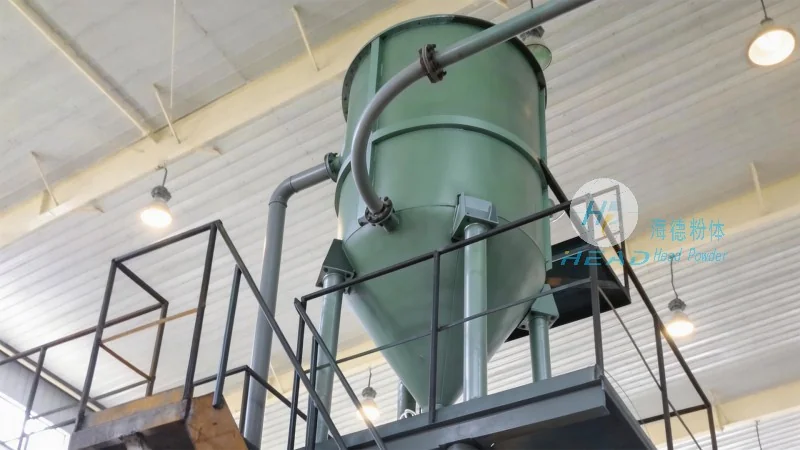
The application of BaCO3 pneumatic conveying varies across different industrial settings, each with unique requirements that influence the system design. In manufacturing plants, for instance, the system may be used to transport raw BaCO3 from storage silos to processing equipment, such as mixers or reactors. This scenario demands high reliability and consistent flow rates to avoid interruptions in production. The system must also be capable of handling varying feed rates, as production schedules may change, requiring the conveying line to adapt accordingly.
In the ceramics and glass industries, BaCO3 is often used as a flux or opacifier. The pneumatic conveying system in these applications needs to deliver the powder to high-temperature furnaces or kilns with minimal degradation. This means the system must maintain the material's quality, preventing moisture absorption or particle degradation during transport. The use of insulated pipelines and temperature-controlled air may be necessary to protect the BaCO3 from environmental factors that could affect its performance.
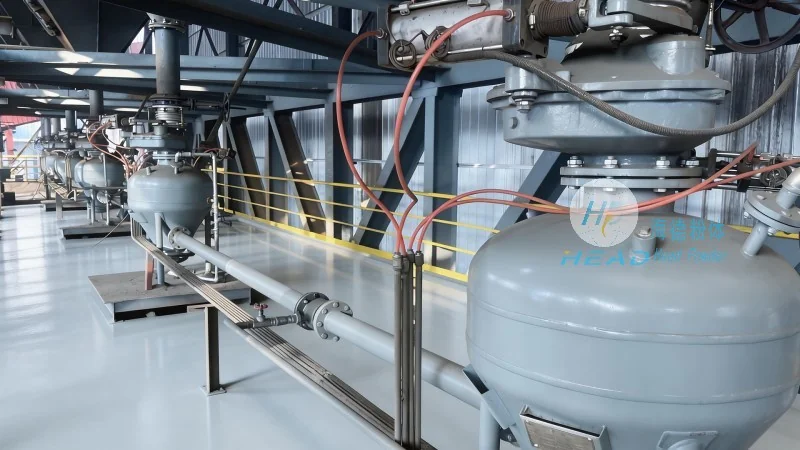
Another common scenario is in the pharmaceutical industry, where BaCO3 is used as an excipient or in the production of certain medications. Here, the pneumatic conveying system must adhere to stringent hygiene and safety standards. The equipment is typically made of stainless steel to prevent contamination, and the system is designed to minimize dust generation and ensure that the powder is handled in a clean environment. The use of closed-loop systems and filtration is crucial to maintain product purity and comply with regulatory requirements.
Implementing a pneumatic conveying system for BaCO3 offers several advantages over traditional methods like belt conveyors or bucket elevators. One of the primary benefits is the ability to transport the material in a closed system, reducing dust emissions and improving workplace safety. This is particularly important for BaCO3, which can be hazardous if inhaled in large quantities. The closed system also helps maintain the material's quality by protecting it from moisture and contamination.
Another advantage is the flexibility of the system. Pneumatic conveying can handle a wide range of particle sizes and flow rates, making it suitable for various applications. The system can be easily integrated with other equipment, such as storage silos, mixers, and processing units, allowing for a seamless material flow. However, there are also considerations to keep in mind. For example, the system requires regular maintenance to ensure optimal performance, as the air system and pipeline can accumulate dust and debris over time. Proper cleaning and inspection schedules are essential to prevent blockages and maintain efficiency.
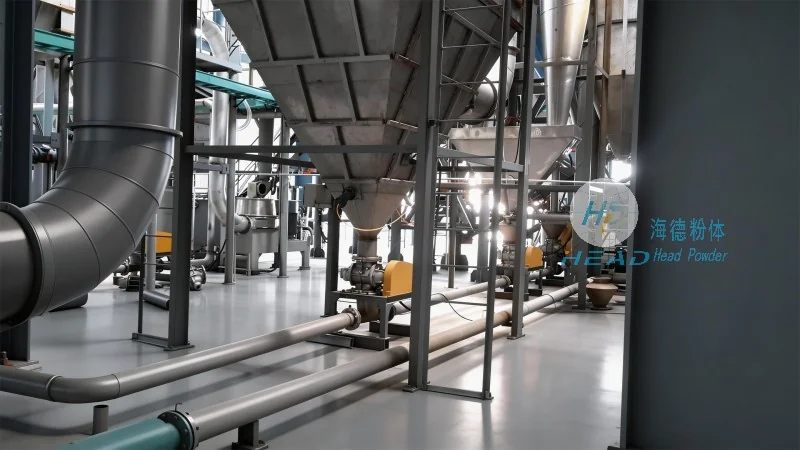
Additionally, the energy consumption of pneumatic conveying systems can be significant, especially for long-distance or high-volume transport. Engineers must consider the power requirements and the overall cost-effectiveness of the system. In some cases, hybrid systems combining pneumatic and mechanical conveying may be used to balance efficiency and cost. The choice of system depends on the specific needs of the application, including the material's properties, the distance to be covered, and the production requirements.
HeadPowder, with its expertise in material handling technologies, provides customized pneumatic conveying solutions tailored to the unique needs of BaCO3 applications. By understanding the fundamental principles of the technology and the specific characteristics of the material, engineers can design systems that optimize performance, efficiency, and safety. Whether for industrial manufacturing, ceramics, or pharmaceuticals, the right pneumatic conveying system can significantly enhance the overall process, ensuring consistent and reliable transport of BaCO3. With a focus on innovation and customer satisfaction, HeadPowder continues to lead in providing advanced solutions for material transport challenges.

 Shandong Headpowder Engineering Co., Ltd.
 156-6277-7102(Manager Zhang)
  0531-83386006
  Zhangqiu District, Jinan City, Shandong Province, China
telephone
WeChatconsult
top