

Principle and Working Scene Characteristics of Calcined Sand Pneumatic Conveying
Calcined sand, a critical material in various industrial applications, often requires efficient and reliable transportation methods. Pneumatic conveying stands out as a versatile solution for handling calcined sand, offering advantages such as minimal dust generation, flexibility in layout, and the ability to transport materials over long distances. This article delves into the fundamental principles of calcined sand pneumatic conveying and explores the key characteristics of its working scenes, providing insights into how this technology optimizes material handling processes.
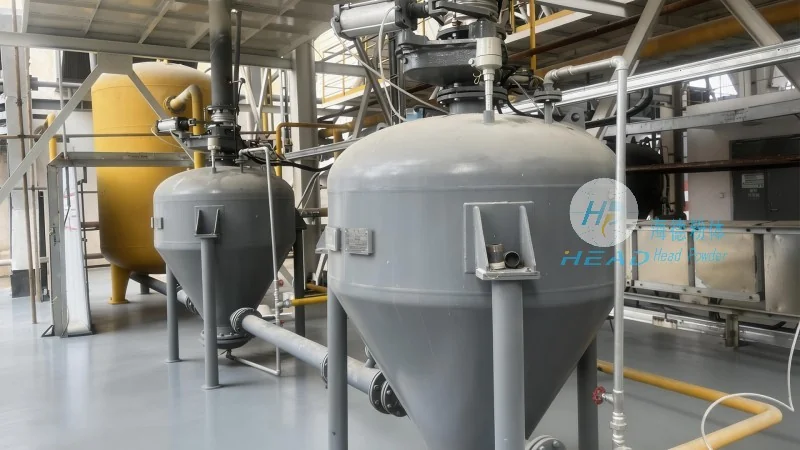
The Principle of Pneumatic Conveying for Calcined Sand
Pneumatic conveying operates on the principle of using air to transport solid particles through a pipeline system. In the case of calcined sand, the process involves creating a flow of air that lifts and moves the sand particles from the source to the destination. The system typically consists of a hopper, a conveyor line, and a receiver, with air being supplied by a blower or compressor. The velocity of the air is crucial; it must be sufficient to overcome the gravitational force acting on the sand particles while maintaining a stable flow. The design of the conveying system, including the size of the pipeline, the angle of the line, and the air pressure, directly impacts the efficiency and effectiveness of the process. For calcined sand, which may have varying particle sizes and densities, the system is often optimized to ensure consistent performance and prevent blockages or degradation of the material.
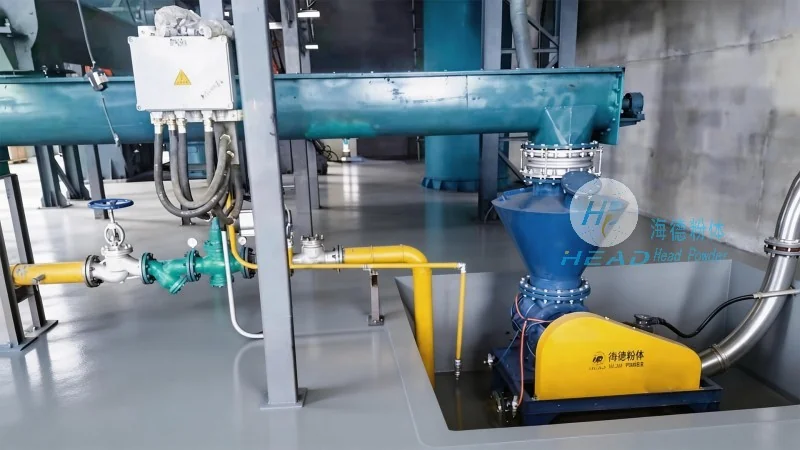
Key Working Scene Characteristics
The working scenes where calcined sand pneumatic conveying is applied exhibit distinct characteristics that influence the system's design and operation. These characteristics include the scale of the operation, the distance over which the sand needs to be transported, the environmental conditions, and the specific requirements of the end-use application. For instance, in large-scale industrial plants, such as foundries or glass manufacturing facilities, the conveying system may need to handle high volumes of calcined sand over considerable distances, requiring robust and high-capacity equipment. The layout of the plant, with its existing infrastructure and space constraints, also plays a role in determining the type of pneumatic conveying system—whether it's a positive pressure system (where air is blown into the line) or a negative pressure system (where air is drawn from the line). Additionally, the need to minimize dust exposure and maintain air quality in the working environment is a critical factor, leading to the use of enclosed systems and filtration units. The end-use application, such as feeding a furnace or a mixing process, dictates the required flow rate and particle size distribution, further shaping the system's characteristics.
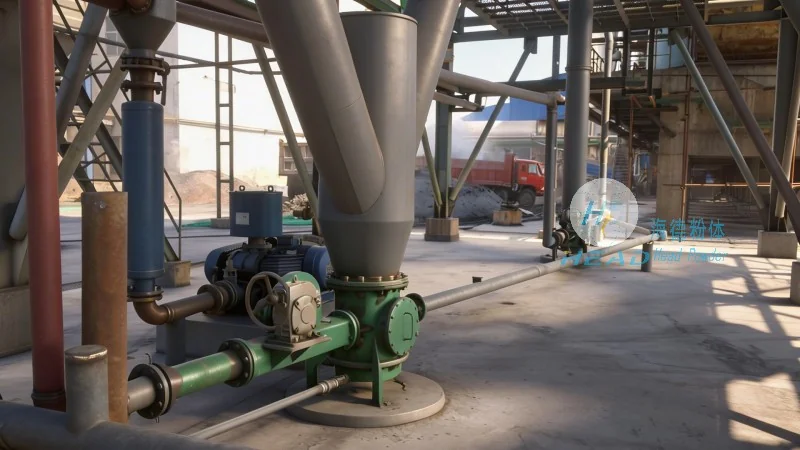
Advantages and Considerations in Practical Applications
Implementing pneumatic conveying for calcined sand offers several advantages, including the ability to handle abrasive materials without significant wear on the equipment, reduced maintenance compared to mechanical conveyors, and the flexibility to integrate with existing production lines. However, there are also considerations to keep in mind. The cost of the initial setup, including the blower, pipeline, and control systems, can be substantial, and the energy consumption is higher than that of other conveying methods. The system's performance is highly dependent on the properties of the calcined sand, such as its moisture content, particle size, and density, which may vary over time. Regular maintenance, including cleaning the pipeline and checking the air filter, is essential to prevent clogging and ensure consistent operation. Furthermore, the system's design must account for the potential for material segregation, where larger or heavier particles may settle in the pipeline, affecting the flow and potentially causing blockages.
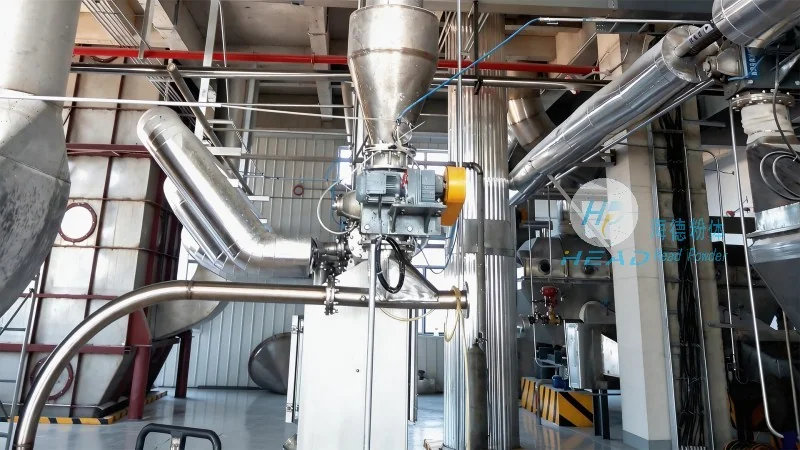
About Shandong HeadPowder Engineering Co., Ltd.
Shandong HeadPowder Engineering Co., Ltd., commonly known as headpowder, is a leading provider of engineering solutions for material handling and processing. With a focus on innovation and customer satisfaction, the company specializes in designing and manufacturing pneumatic conveying systems tailored to the unique needs of its clients. HeadPowder's expertise spans various industries, including foundry, glass, and chemical manufacturing, where calcined sand and other powders are commonly used. The company's headquarters is located in Shandong, China, and it serves a global clientele with customized solutions that enhance operational efficiency and safety. By leveraging advanced technology and a deep understanding of material behavior, headpowder ensures that its pneumatic conveying systems deliver reliable performance and contribute to the success of its clients' operations.