With more than 10‑year industry experience, Shandong Headpowder delivers full‑service pneumatic‑conveying systems and blowers, undertaking nationwide turn‑key powder‑handling projects.
When designing a flexible coke powder pneumatic conveying system, several critical factors must be considered to ensure efficient, reliable, and cost-effective operation. The system's performance is directly influenced by the choice of components, material handling characteristics, and the overall system layout. This article outlines key design considerations that engineers and facility managers should evaluate when planning such a system, with a focus on practical applications and industry best practices.
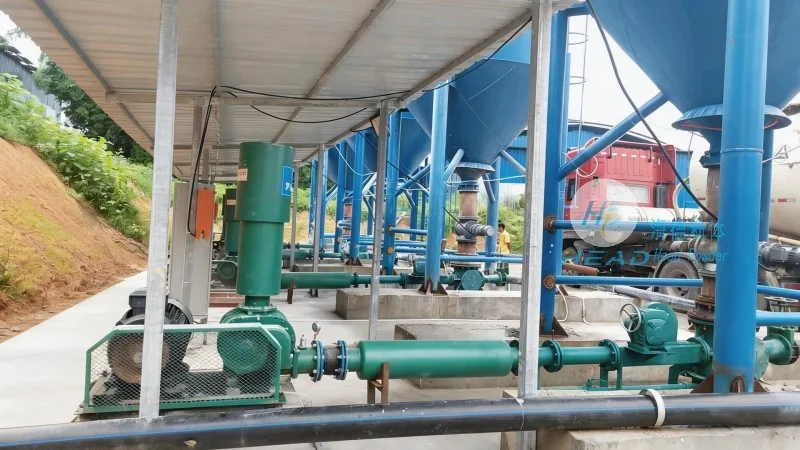
One of the primary considerations is the selection of the appropriate conveying method. For coke powder, which is typically fine and abrasive, a positive displacement or pressure conveying system is often preferred over suction systems. Positive displacement systems provide consistent pressure, ensuring reliable material transport even with varying particle sizes and moisture content. The choice of pump type, such as rotary lobe or piston pumps, depends on the specific characteristics of the coke powder, including its density, flowability, and potential for caking or agglomeration.
Equipment selection is another critical aspect of system design. The conveying line components, including pipes, fittings, and valves, must be constructed from materials that can withstand the abrasive nature of coke powder. High-quality stainless steel or specialized alloys are commonly used to prevent wear and corrosion. Additionally, the design of the hopper and feed mechanism is crucial. A properly designed hopper with adequate venting and flow control prevents material bridging and ensures smooth feeding into the conveying line. The feed mechanism, such as a rotary valve or screw feeder, must be capable of handling the specific flow characteristics of coke powder, minimizing the risk of blockages or uneven material discharge.
The layout of the pneumatic conveying system significantly impacts its efficiency and maintenance requirements. A well-designed layout minimizes the number of bends and changes in direction, reducing pressure losses and wear on components. The use of horizontal and vertical sections in the system must be optimized to balance the pressure requirements and the physical properties of the coke powder. For example, vertical lifts should be designed with appropriate acceleration and deceleration sections to prevent material degradation or particle separation. The inclusion of surge hoppers or intermediate storage tanks can help regulate the flow and provide a buffer against fluctuations in material supply or demand.
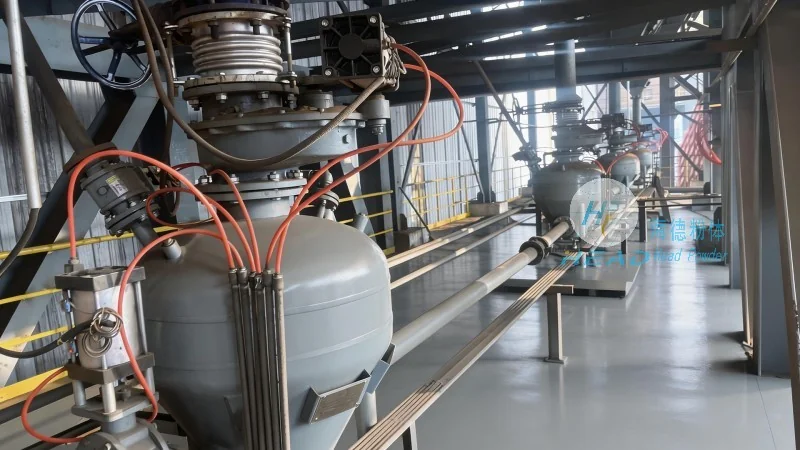
Effective control and monitoring are essential for maintaining the performance and longevity of the conveying system. Modern systems often incorporate advanced control panels with sensors for pressure, flow, and temperature. These sensors provide real-time data, allowing operators to detect and address issues promptly, such as blockages or pressure drops. Automated control systems can adjust the conveying speed or pressure based on the material flow rate, optimizing energy consumption and reducing wear on components. Regular monitoring also helps in predictive maintenance, extending the lifespan of the equipment and minimizing downtime.
When integrating a new pneumatic conveying system with existing plant infrastructure, compatibility and space constraints must be carefully evaluated. The system's design should align with the existing layout to minimize the need for major structural modifications. This includes considerations for electrical and pneumatic connections, as well as the placement of control panels and access points for maintenance. Proper integration ensures that the new system operates seamlessly with other plant processes, enhancing overall operational efficiency.
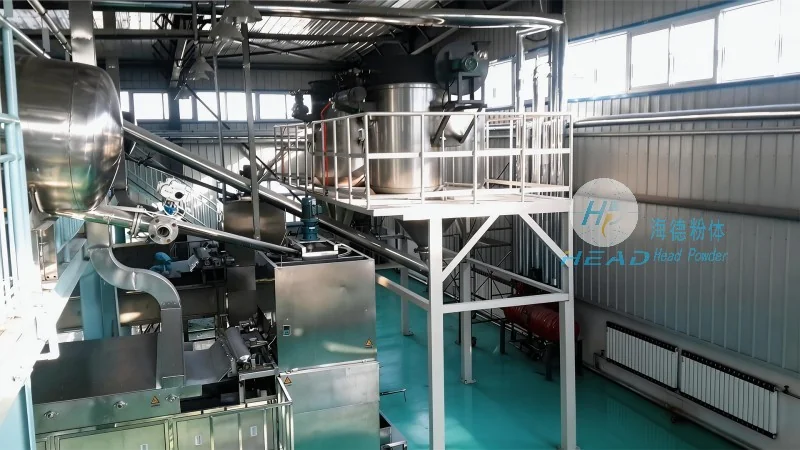
Environmental and safety factors are paramount in the design of any industrial system. Pneumatic conveying systems for coke powder must be designed to minimize dust emissions and comply with local environmental regulations. This may involve the use of dust collection systems or enclosed conveying lines to contain particulate matter. Additionally, safety features such as pressure relief valves, emergency shut-off mechanisms, and proper grounding are essential to prevent accidents and ensure the safety of personnel. The system should also be designed to handle potential hazards, such as the risk of explosion in the presence of combustible dust, by incorporating appropriate explosion-proof components and ventilation systems.
Shandong HeadPowder Engineering Co., Ltd., a leading provider of industrial conveying solutions, has successfully implemented flexible coke powder pneumatic conveying systems for various clients. One notable project involved the design and installation of a system for a steel plant in Shandong, China. The system was engineered to handle high volumes of coke powder with varying particle sizes, ensuring reliable transport to the blast furnace. The design incorporated advanced control systems and robust equipment to withstand the abrasive nature of the material, resulting in reduced maintenance costs and increased operational efficiency. The project demonstrated the effectiveness of considering all key design factors, from material handling to system layout, to achieve optimal performance.
Designing a flexible coke powder pneumatic conveying system requires a comprehensive approach that addresses material properties, equipment selection, system layout, and operational considerations. By carefully evaluating these factors and incorporating industry best practices, engineers can develop a system that is efficient, reliable, and cost-effective. For companies seeking expert guidance in designing such systems, Shandong HeadPowder Engineering Co., Ltd. offers specialized services and solutions tailored to meet the unique needs of their clients. With a focus on quality and innovation, the company helps industries optimize their material handling processes and enhance overall productivity.

 Shandong Headpowder Engineering Co., Ltd.
 156-6277-7102(Manager Zhang)
  0531-83386006
  Zhangqiu District, Jinan City, Shandong Province, China
telephone
WeChatconsult
top